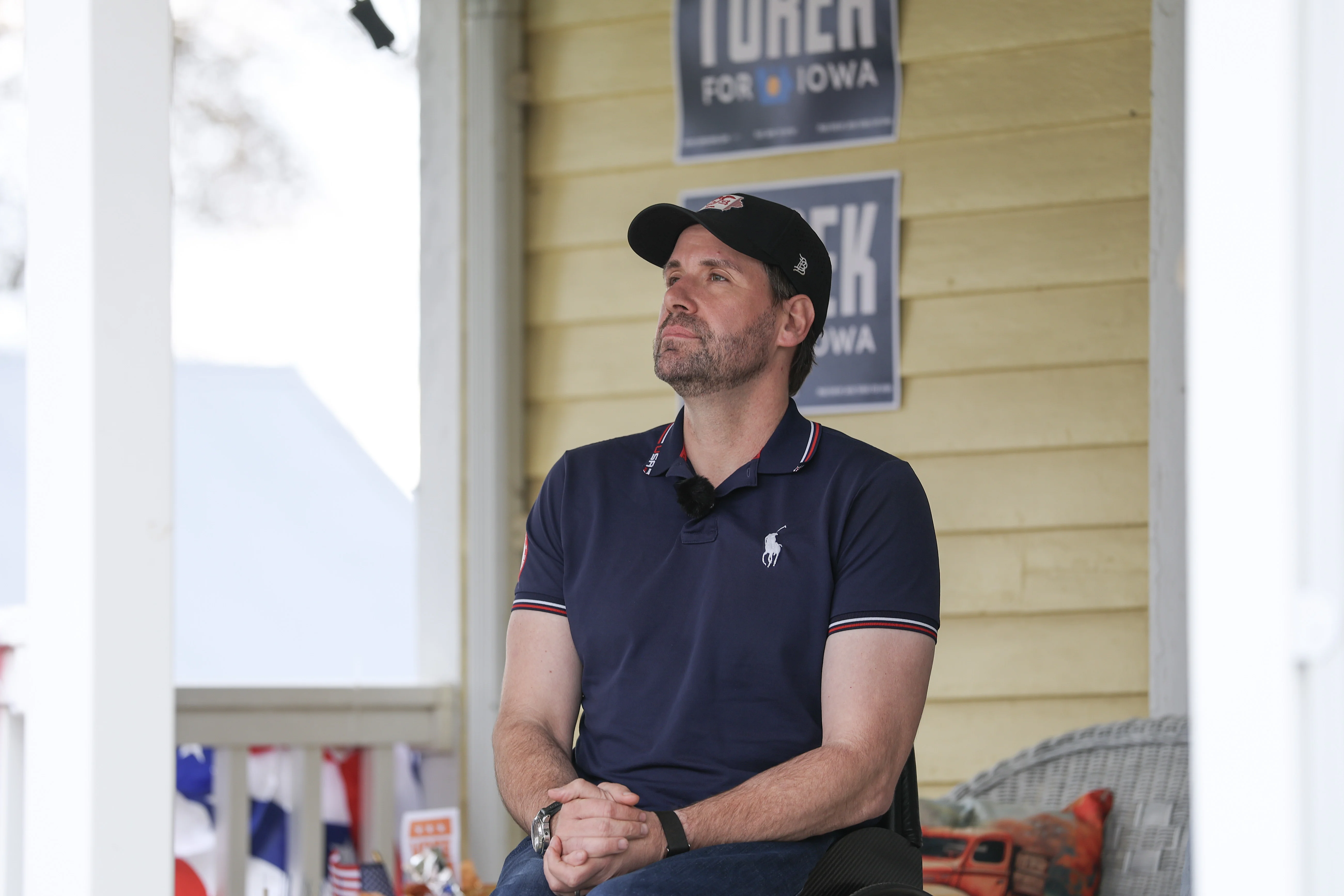
Rob Sand, the former state auditor, emerged victorious in Iowa’s November gubernatorial contest, defeating his Republican opponent by a margin that surprised many political forecasters. The win ends a 12‑year stretch of GOP control over the governor’s mansion, reshaping the state’s executive landscape.
The election took place across Iowa’s 99 counties, with Sand’s message of affordability resonating in both urban centers like Des Moines and rural districts grappling with rising energy costs. Voter turnout hit 71%, the highest for a midterm election in the state’s recent history, underscoring heightened public engagement.
In his victory speech, Sand invoked his Christian upbringing as a moral compass guiding his policy agenda, emphasizing stewardship of resources and compassion for low‑income families. Republican leaders called for a smooth transition, while labor unions and consumer advocacy groups praised the promise of aggressive price‑control measures.
In-Depth Analysis & Key Details
Iowa’s political pendulum has swung between progressive and conservative forces since the early 2000s, with the governorship often reflecting national mood shifts. Sand’s ascent follows a series of Democratic gains in the state legislature, suggesting a broader demographic realignment driven by younger, more diverse electorates and mounting concerns over healthcare and agricultural market volatility.
The campaign’s focus on utility affordability taps into a longstanding regulatory tension between the Iowa Utilities Board and major energy providers, who have faced criticism for rate hikes tied to renewable energy subsidies. Sand’s pledge to renegotiate power purchase agreements could set precedents for other Midwestern states navigating the transition to greener grids while protecting ratepayers.
Political scientists note that Sand’s integration of faith‑based rhetoric, while uncommon in overtly secular campaign strategies, mirrors a growing trend of candidates framing policy through personal moral narratives to broaden appeal across ideological divides. Experts predict this approach may influence future Democratic messaging in traditionally conservative regions.
"Rob Sand’s victory isn’t just a partisan upset; it’s a mandate for a more affordable, ethically grounded governance model in the heartland."
Why This Matters & What Lies Ahead
For Iowa residents, the new administration promises immediate relief through proposed caps on electricity bills and expanded funding for low‑income housing, measures that could directly affect the monthly budgets of over 500,000 households. Businesses anticipate a more predictable regulatory environment, potentially spurring investment in renewable infrastructure and job creation.
The coming weeks will feature a special legislative session to address the budget amendment, while the U.S. Department of Agriculture is expected to review Iowa’s subsidy allocations in light of the governor’s stated intent to prioritize small‑scale farmers. Watch for the upcoming Senate Judiciary Committee hearing on state‑level voting reforms, slated for early next year, which could further entrench the political shift initiated by Sand’s win.
Source: Reported by NPR · Analyzed & Synthesized by DNB Newsroom