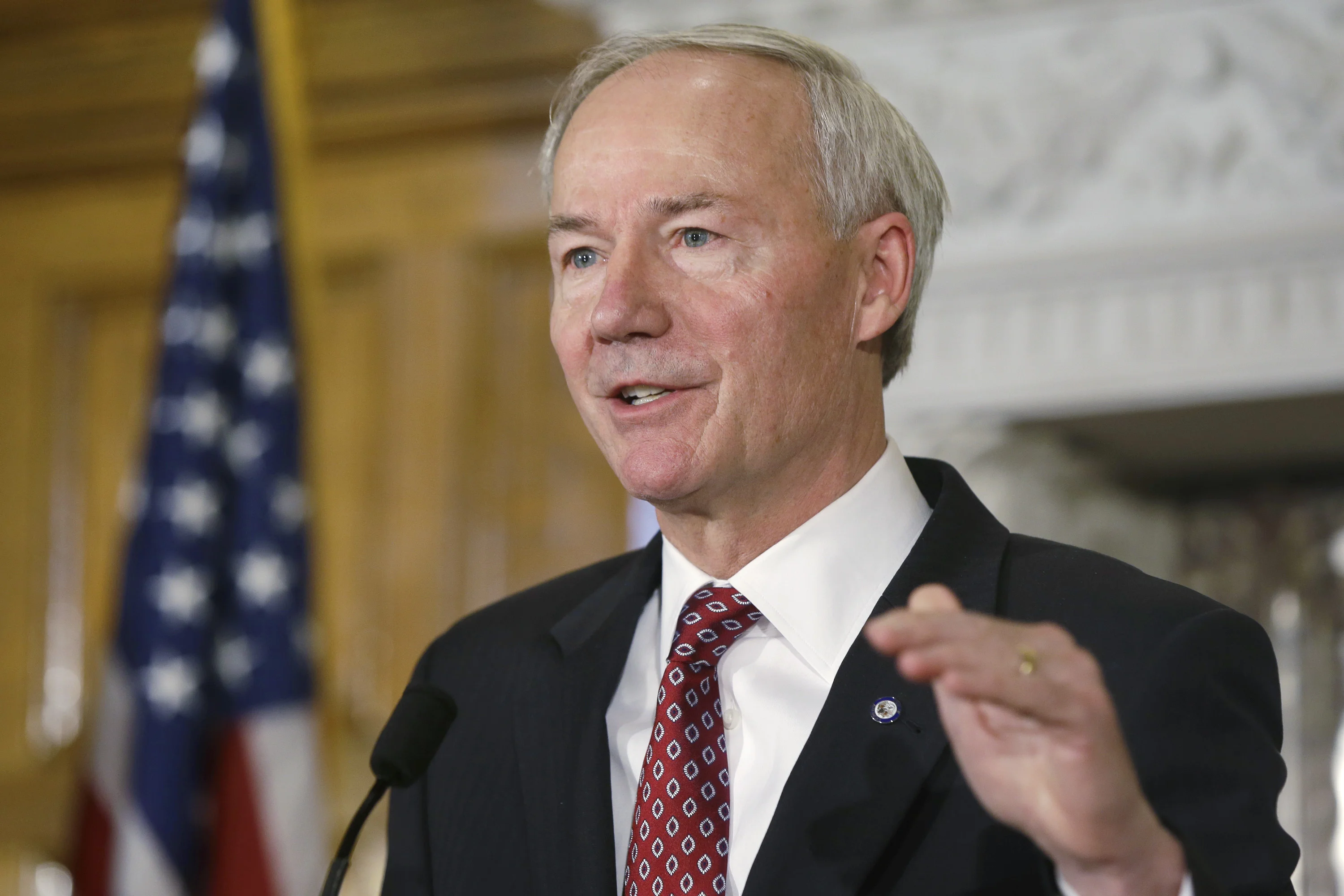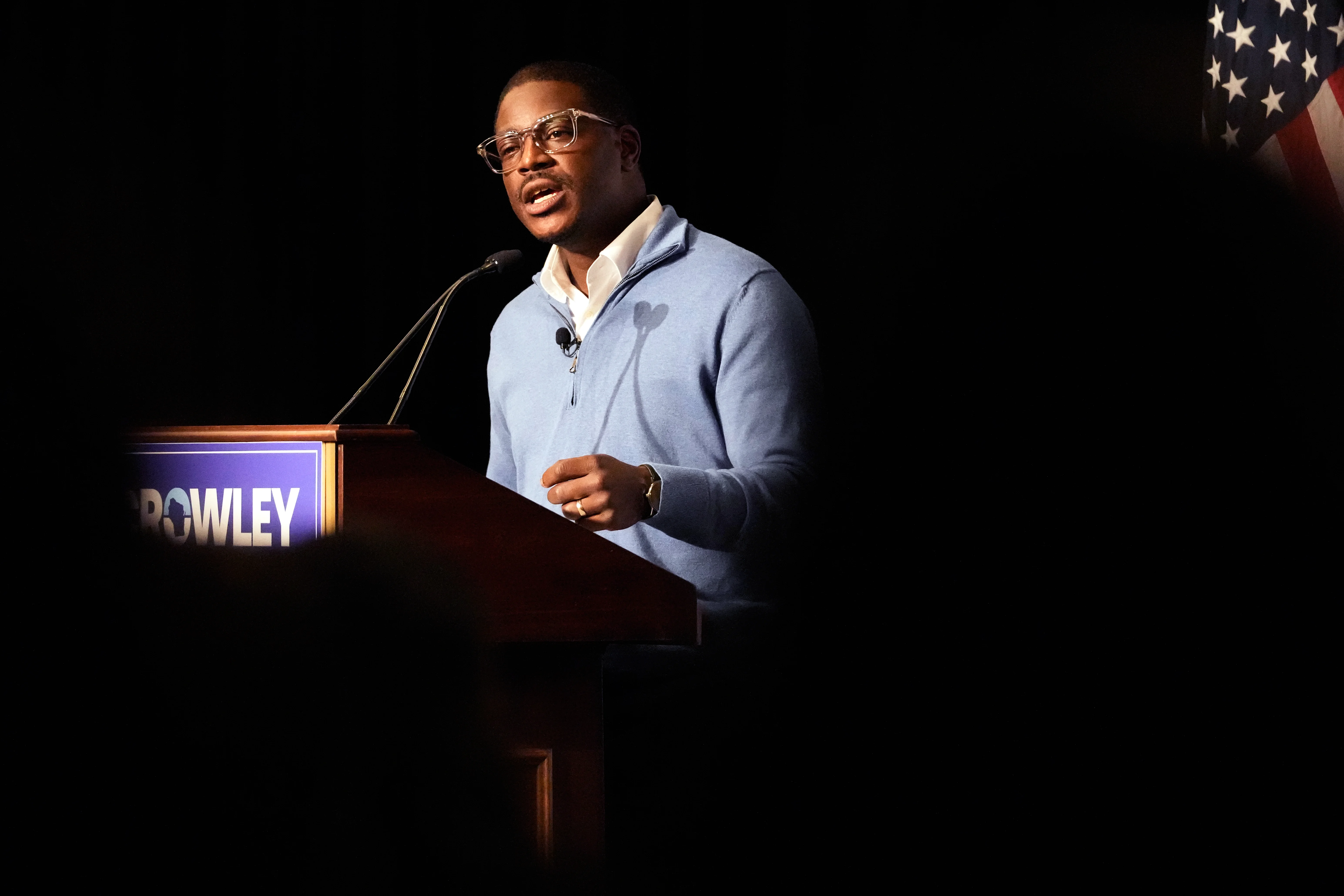
In a decisive turn for Wisconsin politics, Democrat David Crowley has emerged as the victor in the race for the state's top executive office, defeating Republican challenger and former U.S. Representative Tom Tiffany. This outcome not only shifts control of the statehouse but also cements a historic precedent, as Crowley is set to become the first Black individual to serve as governor in the state's history. The electoral victory underscores a significant swing in voter sentiment, particularly among working-class demographics who responded to Crowley's targeted economic messaging.
The contest was fought on the battleground of everyday economic realities, with Crowley positioning his candidacy around the urgent need to lower costs for households and revitalize the state's industrial base. While Tiffany leveraged his experience in federal legislation to argue for continuity and fiscal conservatism, Crowley’s campaign resonated with voters seeking tangible improvements in wages and employment opportunities. The geographical focus of the campaign highlighted key urban and suburban districts where economic anxiety has become a dominant political driver.
Following the confirmation of the results, Crowley addressed supporters with remarks emphasizing unity and the mandate to deliver on economic promises. He pledged to work across party lines to implement policies that directly benefit families, while acknowledging the weight of the historic nature of his appointment. Initial reactions from political analysts suggest that this victory will have ripple effects across the Midwest, potentially inspiring similar challenges to incumbent Republican leadership in neighboring states.
In-Depth Analysis & Key Details
The election of David Crowley is not merely a partisan shift but a reflection of deeper structural changes in Wisconsin’s political economy. Historically, the state has been a bellwether for national trends, but recent cycles have shown a fragmentation of the traditional two-party coalition. Crowley’s ability to unite diverse demographic groups under the banner of economic relief suggests that policy specificity is now outweighing identity politics in determining electoral outcomes. The defeat of Tom Tiffany, a prominent figure in the Republican establishment, indicates a potential internal reckoning within the party regarding its connection to grassroots economic concerns.
Competing perspectives on this outcome reveal a divide between those who view the victory as a correction to perceived economic neglect and those who warn of potential policy volatility. Critics from the opposing camp argue that Crowley’s platform lacks the fiscal rigor required to manage state budgets effectively, while supporters counter that the status quo has failed to keep pace with inflation and industrial shifts. The technical intricacies of Wisconsin’s budgetary constraints will test Crowley’s ability to balance his campaign promises with the realities of state revenue streams, particularly in a post-recession economic environment.
From an expert domain perspective, this election highlights the growing importance of the 'working family' narrative in Midwestern politics. Industry leaders are closely monitoring Crowley’s approach to labor relations and infrastructure investment, as these areas will determine the state’s competitiveness in attracting new manufacturing and tech firms. The shift in leadership also invites scrutiny of how state-level policies will align with federal regulatory frameworks, particularly regarding energy and environmental standards, which have been contentious issues in recent legislative sessions.
"The election of David Crowley is not just a change in leadership; it is a referendum on the economic viability of the status quo, demanding a new contract between the state government and the working families who sustain it."
Why This Matters & What Lies Ahead
For everyday residents of Wisconsin, Crowley’s victory promises a direct impact on household budgets and local employment opportunities. The focus on lowering costs suggests potential initiatives in housing, healthcare, and education that could alleviate financial stress for millions of families. Furthermore, the emphasis on job creation may lead to new incentives for businesses to relocate or expand within the state, potentially boosting local economies and reversing trends of industrial decline in key regions.
Looking ahead, stakeholders should monitor the upcoming legislative sessions where Crowley will seek to implement his economic agenda. Key milestones include the introduction of bills related to labor rights, infrastructure spending, and tax reform. Additionally, the reaction from federal partners and industry groups will be critical in determining the success of these initiatives. The coming months will reveal whether this historic election translates into tangible policy changes that sustain the momentum of Crowley’s victory.
Source: Reported by NPR · Analyzed & Synthesized by DNB Newsroom