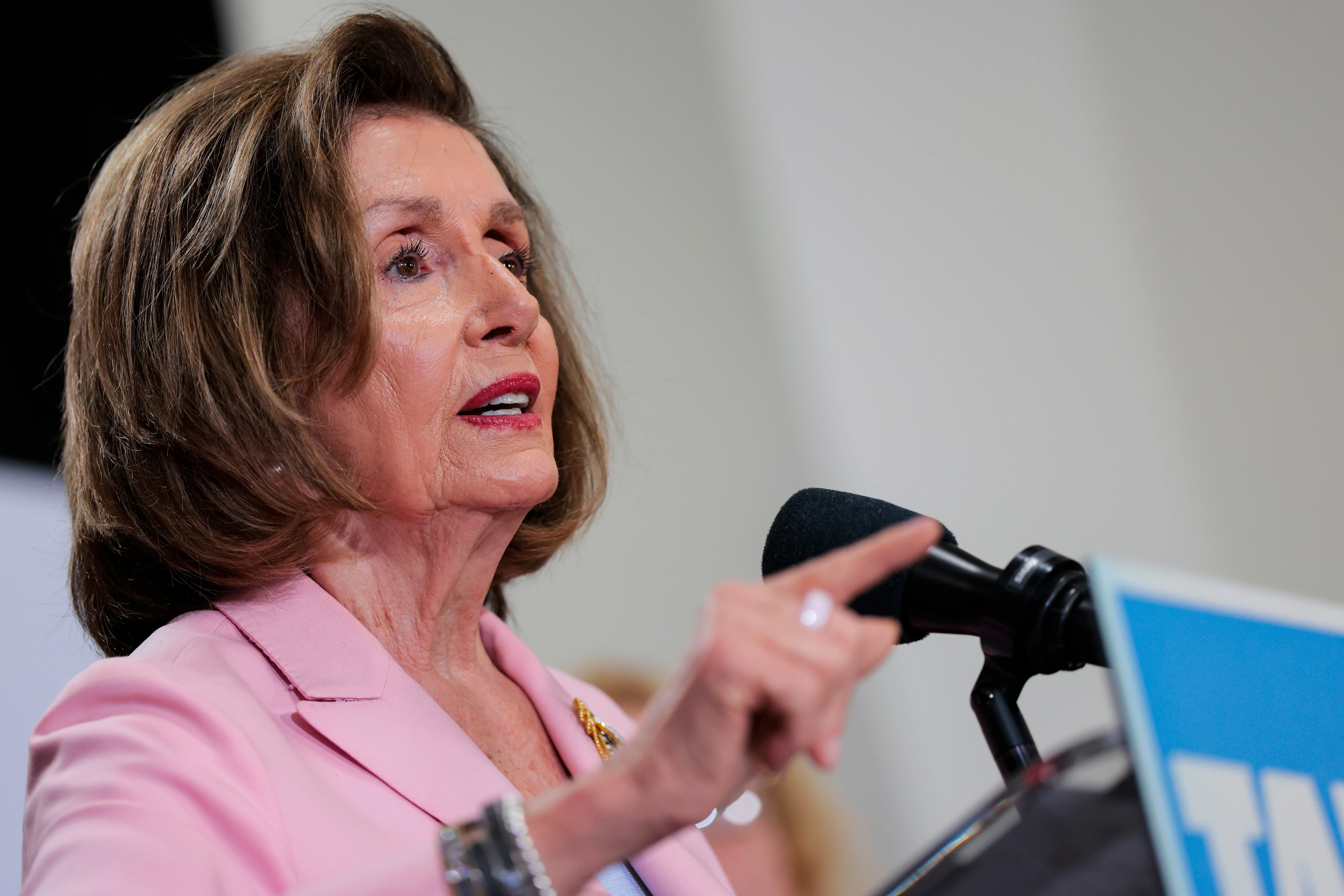
Former Speaker Nancy Pelosi sat down with NPR’s Mary Louise Kelly to reflect on the Democratic Party’s trajectory as the nation approaches a critical election cycle. The conversation, recorded on Tuesday in Washington, D.C., centered on Pelosi’s assessment of the party’s internal dynamics and its implications for legislative agendas.
Pelosi, 82, stressed that the party’s competitive edge derives from a disciplined, collaborative approach rather than isolated victories. She referenced the 2022 midterms, noting that districts where Democratic candidates coordinated messaging and shared resources fared better than those plagued by intra‑party rivalry.
When asked about the party’s next steps, Pelosi urged leaders to prioritize consensus‑building on cornerstone issues like voting rights, climate action, and affordable health care. She praised the recent agreement on a bipartisan infrastructure package as a model of what can be achieved when Democrats present a single, coherent voice, and she called on emerging leaders to emulate that spirit.
In-Depth Analysis & Key Details
The call for unity is rooted in a historical pattern where Democratic fragmentation has often translated into electoral setbacks, from the 1994 “Republican Revolution” to the 2010 Tea Party wave. Pelosi’s perspective reflects a strategic recalibration that seeks to avoid repeating those losses by tightening the party’s internal governance and message discipline.
At the same time, the party faces competing pressures from progressive factions demanding bold policy shifts and moderate wings cautioning against alienating swing voters. This tension plays out in committee hearings, fundraising events, and primary contests, where debates over the Green New Deal, Medicare for All, and immigration reform can become flashpoints. Balancing these forces requires a nuanced approach that leverages data‑driven voter outreach while preserving ideological breadth.
Political scientists and campaign strategists argue that a unified front can amplify donor confidence and media coverage, translating into measurable advantages in swing districts. Conversely, a fractured party risks diluting its narrative, allowing opponents to exploit inconsistencies. Pelosi’s emphasis on coordinated campaign infrastructure aligns with recent academic findings that suggest synchronized messaging can increase voter turnout by up to 4% in competitive regions.
""Our power isn’t in any single policy or personality—it’s in the fact that we stand together, speak with one voice, and move forward as a single team," Pelosi asserted during the interview."
Why This Matters & What Lies Ahead
For everyday voters, a cohesive Democratic strategy could mean clearer policy proposals, more reliable representation, and a higher likelihood that legislative priorities—such as protecting voting rights and expanding broadband access—are enacted. Unity also influences how quickly the party can respond to crises, from natural disasters to economic downturns, by presenting a coordinated federal response.
Looking ahead, the Democratic National Committee’s upcoming fundraising summit in early December, the House Judiciary Committee’s scheduled hearings on election security, and the November midterm elections will serve as litmus tests for Pelosi’s unity agenda. Observers will watch whether the party can translate her call into concrete actions, such as joint campaign ads, unified debate talking points, and synchronized voter outreach programs, all of which could reshape the political landscape for the next decade.
Source: Reported by NPR · Analyzed & Synthesized by DNB Newsroom