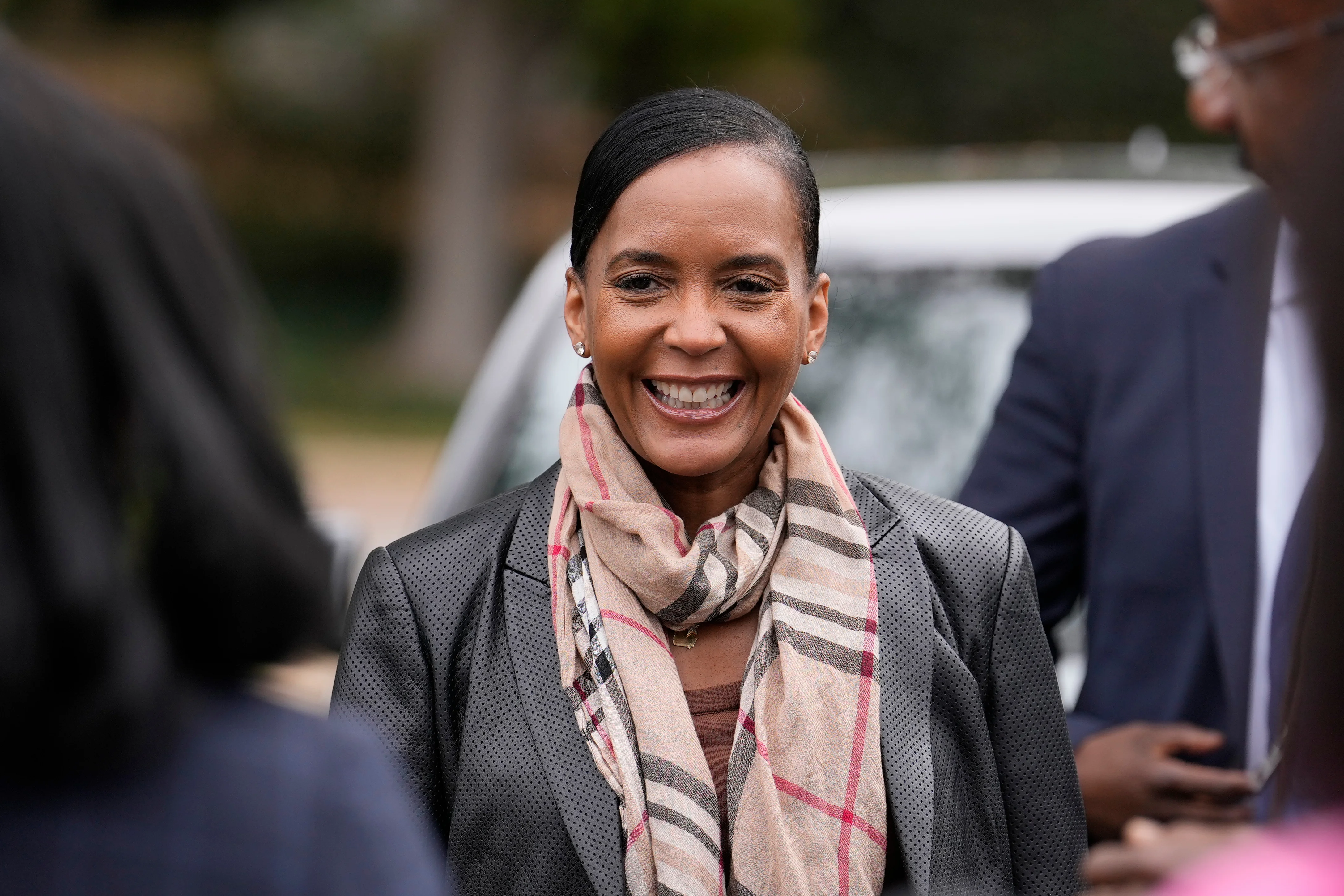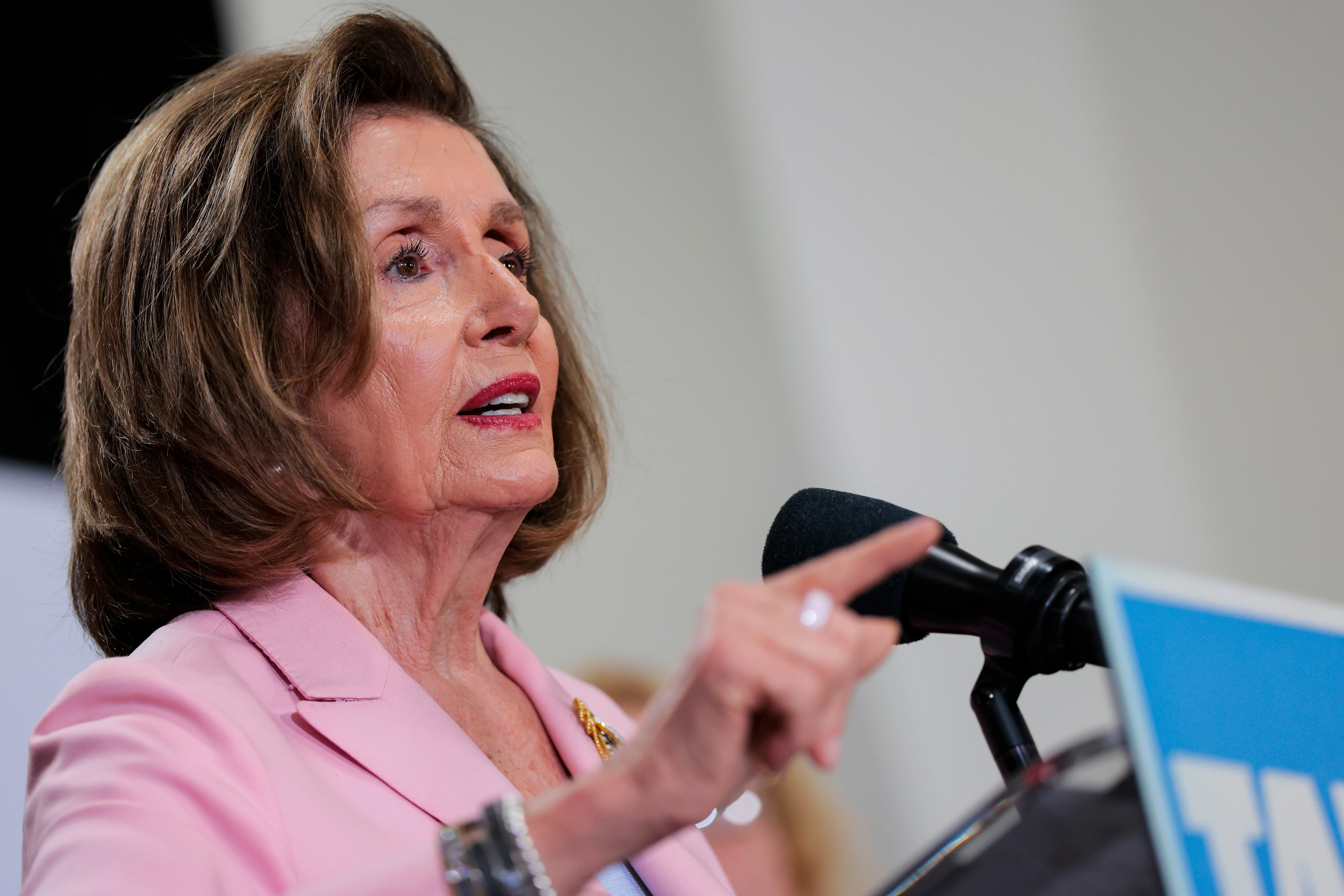
Melat Kiros, a 29‑year‑old Ethiopian‑born activist, secured a seat in the U.S. House of Representatives after defeating incumbent rivals in both the Democratic primary and the November general election. Her victory represents the first time a Generation‑Z woman of African immigrant background will serve in Congress, a milestone celebrated by advocacy groups and community leaders alike.
The contest unfolded in a district that straddles the suburban corridors of the Midwest, encompassing a mix of manufacturing towns and rapidly expanding exurban neighborhoods. Kiros’ campaign emphasized affordable housing, climate‑resilient infrastructure, and comprehensive immigration reform, resonating with a coalition of young voters, labor unions, and progressive activists.
Following the win, Kiros addressed a packed town hall, pledging to “bring the lived experiences of newcomers and the urgency of climate action to the halls of power.” Democratic leadership issued a statement lauding her “fresh perspective” and confirming plans to integrate her policy proposals into the party’s upcoming legislative agenda.
In-Depth Analysis & Key Details
The ascent of a Gen‑Z immigrant lawmaker reflects decades of demographic shifts that have gradually diversified the American electorate. Historically, congressional representation has lagged behind immigration trends, with only a handful of foreign‑born members serving since the mid‑20th century. Kiros’ election builds on a lineage that includes pioneers like Ilhan Omar and Pramila Jayapal, yet her age and gender mark a new frontier for political inclusion.
Within the Democratic Party, the Democratic Socialists of America (DSA) have transitioned from a fringe organization to a potent political engine, leveraging digital fundraising and community organizing to support candidates who challenge the establishment. Their endorsement of Kiros illustrates a broader strategic push to embed progressive policy frameworks—such as Medicare for All and the Green New Deal—into mainstream legislative discourse, prompting debates over fiscal feasibility and electoral viability.
Political scientists note that the convergence of youth activism, heightened climate awareness, and immigration narratives creates a potent electoral formula. Experts from the Brookings Institution argue that districts with rising numbers of first‑generation voters are increasingly receptive to candidates who articulate both economic and identity‑based concerns, a dynamic that could recalibrate party platforms in the coming election cycles.
"Kiros’ victory proves that the American story is still being written by newcomers who demand a seat at the table, and that seat is now in the Capitol."
Why This Matters & What Lies Ahead
For constituents, Kiros’ presence in Congress promises a more direct line of advocacy on issues that disproportionately affect immigrant families, such as pathway‑to‑citizenship legislation and equitable access to federal relief programs. Her focus on climate‑smart infrastructure could catalyze federal investment in flood‑prone communities, potentially safeguarding thousands of homes and local economies from extreme weather events.
On the national stage, Kiros joins a cohort of younger legislators poised to influence the Democratic agenda ahead of the 2026 midterms. Her alignment with DSA priorities may intensify intra‑party negotiations over budget allocations for social programs, while her immigrant background could shape forthcoming debates on the U.S. immigration system. Observers will watch her committee assignments and any bills she sponsors as barometers for the party’s willingness to adopt a more progressive, inclusive policy slate.
Source: Reported by NPR · Analyzed & Synthesized by DNB Newsroom