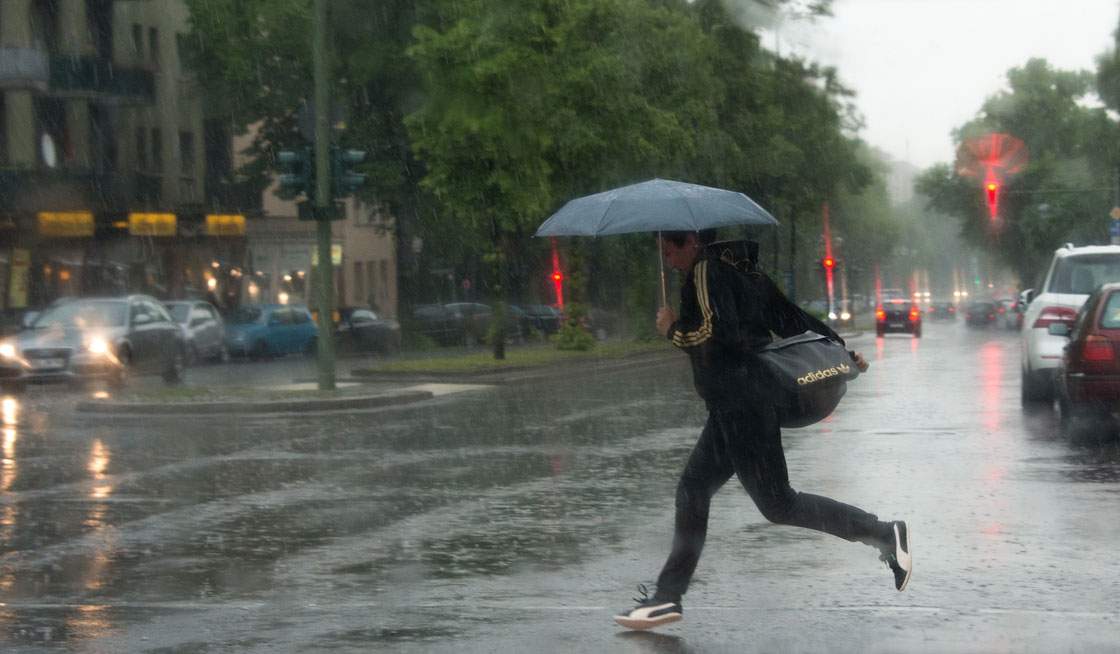
Royal Canadian Mounted Police officers responded to a multi‑vehicle crash on the outskirts of Prince George early Thursday morning, where a pedestrian was struck and transported to a regional hospital in a life‑threatening state. The accident occurred at the intersection of Domano Boulevard and Highway 16, a corridor that handles a substantial share of the city’s commuter and commercial traffic.
In the immediate aftermath, RCMP traffic units established a perimeter, diverting vehicles onto alternate routes and sealing off Domano Boulevard to allow emergency crews to work without obstruction. The shutdown, projected to extend for multiple hours, forced drivers onto secondary streets, creating congestion on previously quiet neighbourhood avenues.
Police spokesperson Constable Maya Patel confirmed that investigators are gathering evidence, while the provincial Ministry of Transportation pledged to expedite cleanup and restore normal flow. Local officials, including Prince George’s mayor, urged residents to stay informed via official channels and expressed gratitude for the rapid medical response that stabilized the injured pedestrian.
In-Depth Analysis & Key Details
Prince George’s road network has historically been shaped by its role as a gateway to northern British Columbia’s resource sectors, with Highway 16 serving as the primary east‑west artery. Over the past decade, increased freight volumes and population growth have strained auxiliary routes like Domano Boulevard, which was upgraded in 2018 to accommodate higher traffic loads but lacks the redundancy of a full‑scale bypass.
The incident revives longstanding debates among municipal planners, provincial regulators, and industry stakeholders about the adequacy of safety measures at high‑speed intersections. Critics argue that insufficient lighting, limited pedestrian crossings, and inadequate median barriers contribute to heightened risk, while transportation authorities cite budget constraints and competing infrastructure priorities. Economic analysts note that even brief disruptions can ripple through supply chains, delaying timber shipments and affecting market prices.
Experts from the University of Northern British Columbia’s Transportation Research Centre stress that data‑driven redesigns—such as adding protected bike lanes, improving signal timing, and installing collision‑avoidance technology—could mitigate future incidents. They also highlight the need for coordinated emergency‑response protocols that balance rapid medical access with traffic management, a balance that proved critical in this case.
"The crash underscores a systemic gap: without resilient arterial alternatives, a single accident can cripple a city’s lifeline and endanger vulnerable road users."
Why This Matters & What Lies Ahead
For everyday commuters and the broader public, the closure of Domano Boulevard translates into longer travel times, heightened frustration, and increased exposure to secondary road hazards. Businesses that rely on timely deliveries—particularly the timber and mining sectors that dominate the regional economy—face potential cost overruns and contractual penalties when shipments are delayed by road blockages. Moreover, the incident raises public safety concerns for pedestrians and cyclists who navigate streets originally designed for vehicle throughput rather than mixed‑mode traffic.
Legislators and municipal leaders will be watching the follow‑up investigations closely, as findings could inform upcoming transportation funding bills and municipal bylaw revisions. Upcoming provincial hearings on the 2025 Infrastructure Modernization Plan are expected to address funding allocations for intersection upgrades and emergency‑response enhancements, making this crash a timely case study for policymakers evaluating the balance between fiscal prudence and public safety.
Source: Reported by CBC British Columbia · Analyzed & Synthesized by DNB Newsroom