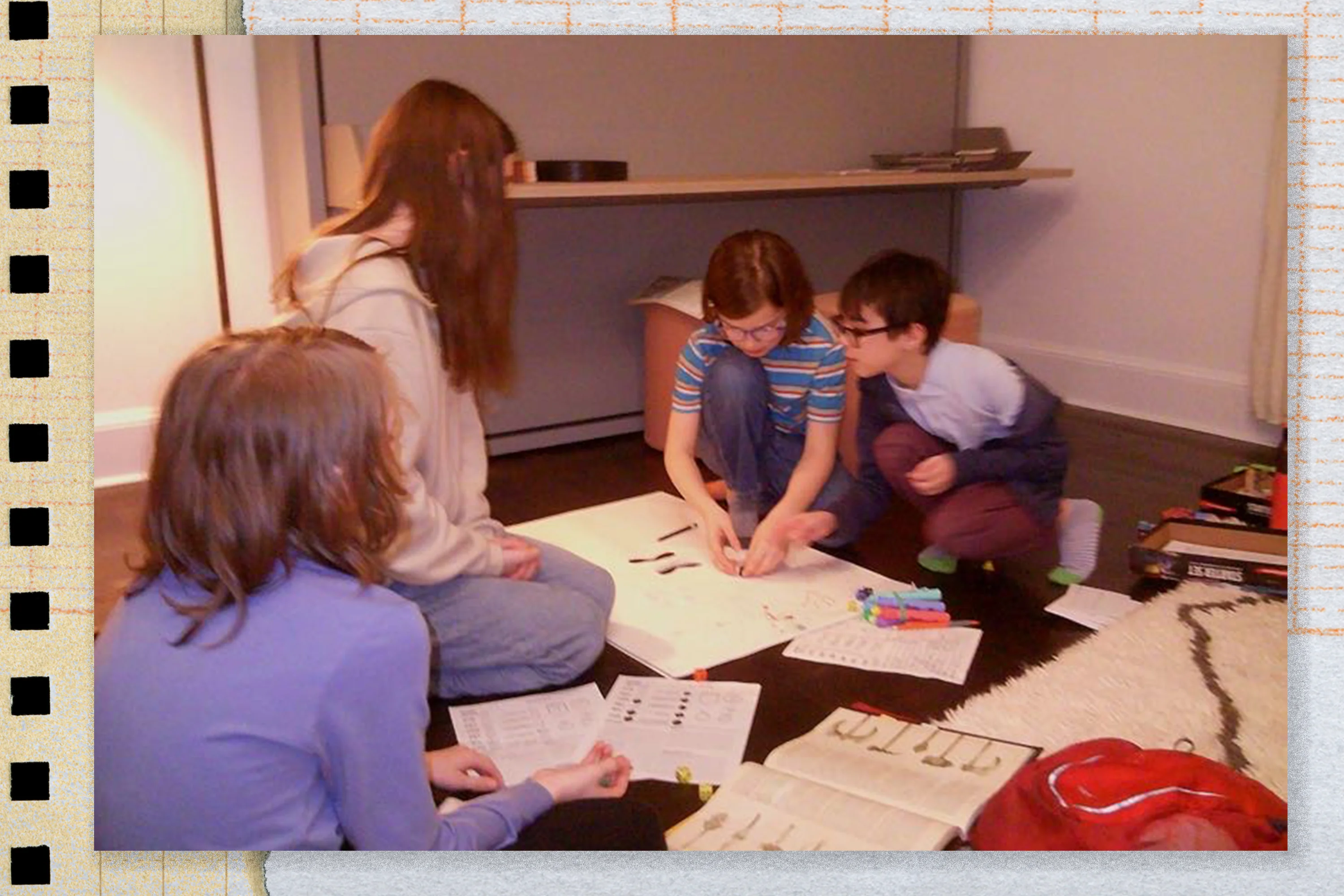
Across suburban neighborhoods and urban community centers, parents are gathering groups of pre‑teens for Saturday afternoon Dungeons & Dragons campaigns, replacing the usual video‑game marathons with collaborative storytelling. The movement, which began as a handful of grassroots meet‑ups last summer, now includes organized leagues in public libraries and after‑school programs in more than 30 states.
The role‑playing game, originally created by Gary Gygax and Dave Arneson in the early 1970s, has been repackaged for a younger audience with simplified rules and age‑appropriate adventures. Organizers report that sessions typically last 90 minutes, allowing children to practice reading, arithmetic, and teamwork while staying away from screens.
Officials from the National Parenting Center praised the trend, noting that “structured analog play offers measurable benefits for attention span and social confidence.” Meanwhile, representatives from Wizards of the Coast, the current publisher of Dungeons & Dragons, announced a partnership with the nonprofit Kids Play Safe to distribute starter kits to low‑income families.
In-Depth Analysis & Key Details
The resurgence of tabletop role‑playing games intersects with a broader historical pushback against digital saturation that began in the early 2000s, when researchers first linked excessive screen time to attention‑deficit symptoms in children. Dungeons & Dragons, once a niche hobby for college students, has evolved into a mainstream cultural touchstone, aided by recent television adaptations and a growing online community of hobbyists.
Regulatory bodies such as the Federal Trade Commission have begun scrutinizing the marketing of child‑focused video games, while the Federal Communications Commission supports public‑service campaigns encouraging screen‑free activities. Industry analysts observe that the analog gaming sector is benefitting from these policy pressures, as retailers report higher foot traffic for board‑game sections and publishers expand their educational product lines.
Experts in child development note that role‑playing games foster narrative competence and empathy, skills that digital platforms often fail to nurture. The tactile nature of dice, character sheets, and map tiles engages multiple senses, reinforcing memory pathways that are less active in purely screen‑based play.
"When kids gather around a table to imagine dragons and quests, they’re building social resilience that pixels can’t replicate."
Why This Matters & What Lies Ahead
For families, the shift toward tabletop gaming translates into more face‑to‑face interaction, reduced eye strain, and a tangible sense of accomplishment for children who complete a campaign. Economically, the surge in demand is prompting publishers to invest in kid‑friendly product lines, creating jobs in design, printing, and distribution while diversifying the entertainment market away from a sole reliance on digital sales.
Legislators are watching the trend closely. A Senate subcommittee on children’s health has scheduled a hearing for March 2025 to examine the impact of screen time on mental well‑being, with several witnesses expected to cite the Dungeons & Dragons initiative as a case study in effective, low‑tech intervention. The outcome could shape future funding for community‑based play programs and influence educational curricula that integrate game‑based learning.
Source: Reported by NPR · Analyzed & Synthesized by DNB Newsroom