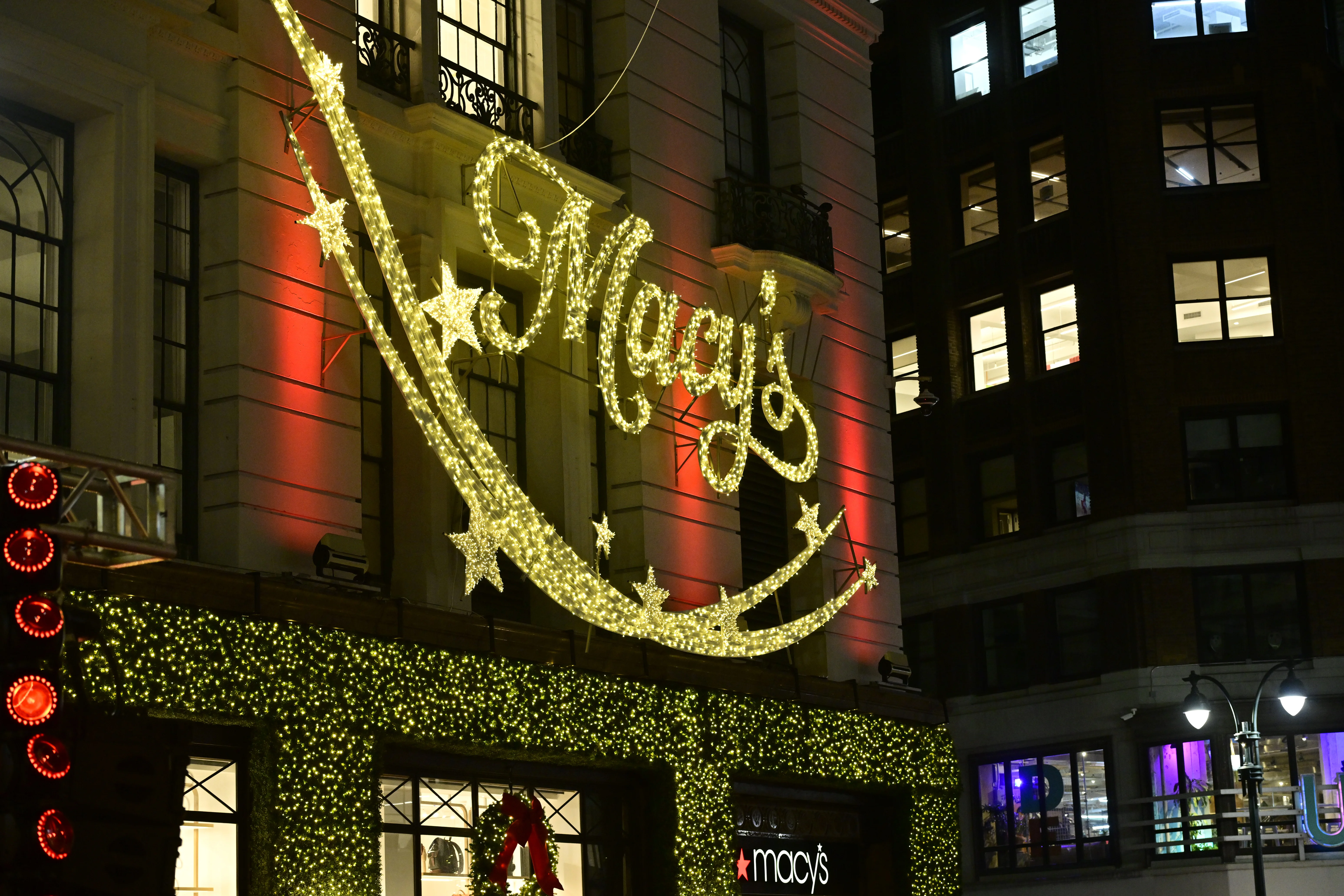
The iconic Macy's Thanksgiving Day Parade, now in its centennial year, served as the backdrop for the retailer's most ambitious brand overhaul to date, with senior executives unveiling a luxury‑focused merchandising plan during the televised event.
The initiative will see curated collections from established designers and new private‑label lines introduced in the chain's flagship locations in New York, Chicago, and Los Angeles, while smaller regional stores will receive a scaled‑down version of the premium assortment.
Macy's chief executive emphasized that the shift is designed to attract higher‑spending shoppers and restore profitability, and retail consultants note that the move reflects a broader industry trend of leveraging heritage brands to capture affluent consumers.
In-Depth Analysis & Key Details
Macy's descent into declining foot traffic traces back to the early 2010s, when e‑commerce growth and changing consumer preferences eroded traditional department‑store margins, prompting successive cost‑cutting cycles that left the brand stripped of distinctive offerings.
Industry analysts observe that the luxury pivot aligns with a regulatory environment that favors higher‑margin retail models, as tax incentives for premium goods and relaxed import duties on designer apparel create a more favorable financial landscape for upscale merchandising.
Retail strategy experts highlight that the success of this transformation will depend on Macy's ability to integrate sophisticated supply‑chain logistics, maintain brand authenticity, and avoid alienating its core middle‑income customer base, a balance that has eluded many legacy retailers attempting similar upgrades.
"Macy's gamble on luxury is a high‑stakes bid to rewrite its narrative, betting that heritage can coexist with high‑margin fashion in a crowded marketplace."
Why This Matters & What Lies Ahead
For everyday shoppers, the shift could mean a reconfigured mall experience, with traditional mid‑range departments giving way to designer boutiques, potentially raising average spend but also limiting access to affordable options for price‑sensitive consumers.
The rollout will be monitored by investors and policymakers alike, as upcoming quarterly earnings reports and a scheduled hearing before the Senate Committee on Commerce, Science, and Transportation will assess whether the luxury strategy delivers the projected revenue uplift and how it impacts employment levels within the company's supply chain.
Source: Reported by NPR · Analyzed & Synthesized by DNB Newsroom