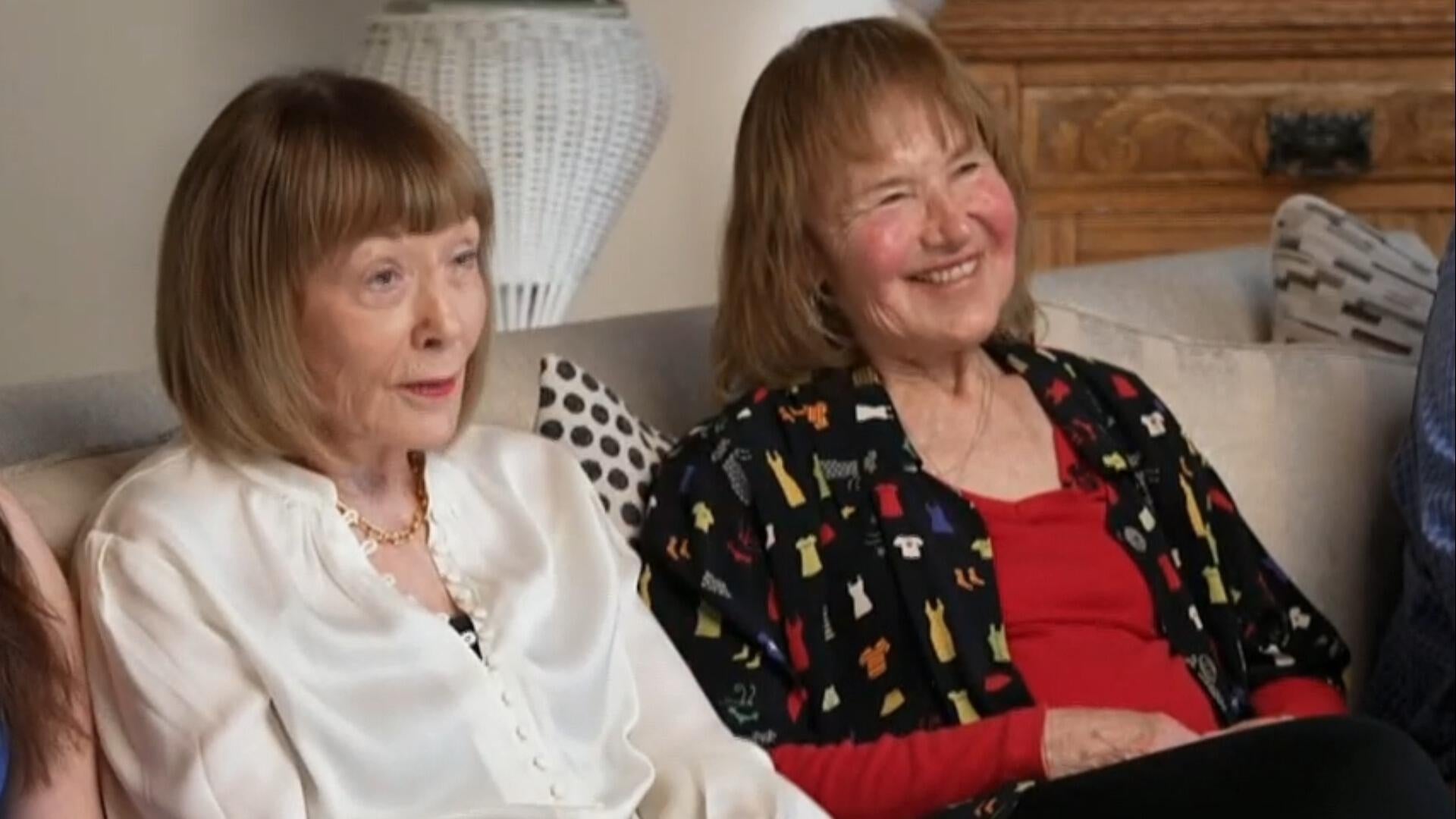
Dr. Susan Thau and Dr. Sondra Goldstein, seasoned psychologists who have spent decades in private practice, debuted a series of comedic sketches on TikTok and Instagram that teach viewers practical coping mechanisms. The duo, now in their eighties, filmed the first batch of videos in early September, targeting a demographic that spans Gen Z to Baby Boomers.
The sketches, each under a minute, juxtapose light‑hearted scenarios—such as a misplaced grocery list or a Zoom‑call mishap—with concise therapeutic advice rooted in cognitive‑behavioral techniques. Production took place in Thau’s home office in San Francisco and Goldstein’s studio in New York, highlighting a bi‑coastal collaboration that leverages their long‑standing professional rapport.
In an interview with CBS News anchor Jo Ling Kent, both psychologists emphasized their intent to demystify mental‑health concepts through humor. Platform representatives confirmed that the content complies with community‑guideline standards, while several mental‑health nonprofits praised the effort as a novel avenue for public education.
In-Depth Analysis & Key Details
The emergence of senior clinicians as digital content creators reflects a historical trend of professionals migrating to new media to broaden public outreach, a practice that accelerated during the pandemic when telehealth and online education surged. Psychologists have traditionally been cautious about self‑promotion, but the current algorithmic reward structures incentivize engaging, bite‑sized formats that can reach audiences previously inaccessible through academic journals or conference panels.
Regulatory bodies, including the Federal Trade Commission, have begun scrutinizing influencer disclosures, especially when health advice is involved. While Thau and Goldstein include clear identifiers that they are licensed psychologists, the blurred line between entertainment and professional counsel raises questions about liability and the adequacy of existing guidelines. Industry analysts note that advertisers are increasingly courting niche creators who can lend credibility to wellness brands, potentially reshaping sponsorship models.
Experts in gerontology observe that the duo’s visibility challenges ageist stereotypes, illustrating that expertise does not diminish with age. Their approach also aligns with recent research indicating that humor can enhance message retention and reduce stigma around mental‑health discussions, suggesting a synergistic benefit that extends beyond mere view counts.
"When seasoned clinicians speak in the language of memes, they not only bridge generational gaps but also reframe mental‑health care as a daily, relatable practice."
Why This Matters & What Lies Ahead
For everyday internet users, the infusion of clinically vetted advice into entertaining formats offers an accessible entry point to coping strategies that might otherwise feel intimidating or academic. As the videos circulate, they have the potential to normalize conversations about anxiety, grief, and resilience, thereby influencing public attitudes and encouraging help‑seeking behavior among demographics that traditionally underutilize mental‑health services.
Policymakers and platform regulators will be watching the trajectory of Thau and Goldstein’s channel as a case study for future guidance. Upcoming hearings before the Senate Commerce Committee on digital health disclosures, slated for early next year, may reference this example when debating stricter labeling requirements. Meanwhile, advertisers and mental‑health nonprofits are poised to assess partnership opportunities, making the duo’s next content cycle a bellwether for commercial and regulatory responses alike.
Source: Reported by CBS News · Analyzed & Synthesized by DNB Newsroom