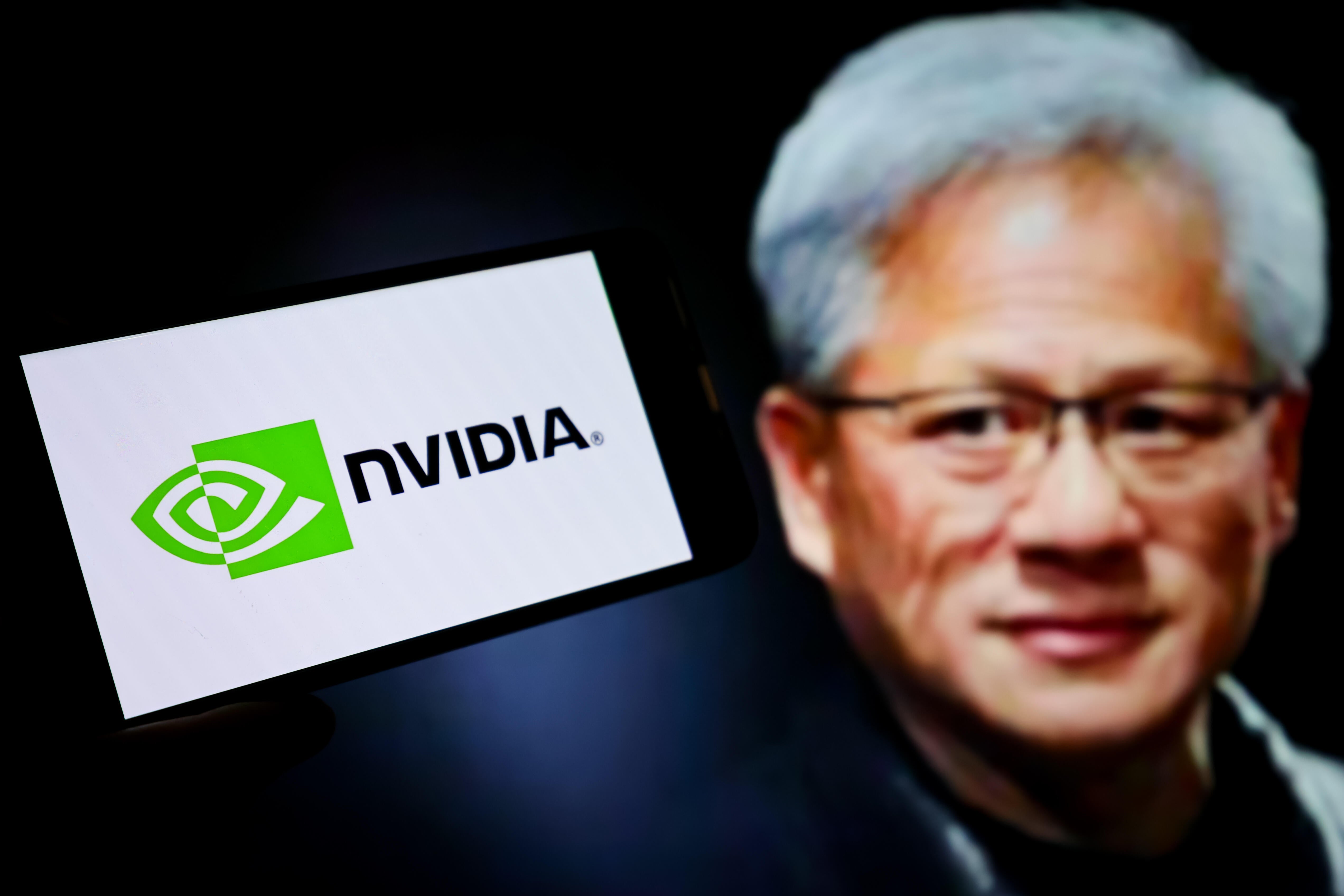
On a Wednesday, Nvidia announced that CEO Jensen Huang had stepped back into his role after a brief, unexpected resignation. The board’s swift decision was framed as a move to stabilize leadership amid a period of intense market scrutiny and operational challenges.
The announcement came as Nvidia was preparing to roll out its next‑generation GPUs, a product line that is critical to the company’s growth in the AI and data‑center markets. The company’s headquarters in Santa Clara, California, is the epicenter of its design and manufacturing coordination, with supply‑chain partners spread across Asia and the United States.
In a statement, Nvidia’s board cited Huang’s “deep industry experience and proven track record” as reasons for his reinstatement. Early reactions from investors were muted, with shares slipping modestly in after‑hours trading. Industry observers noted that the move could signal deeper strategic recalibrations behind the scenes.
In-Depth Analysis & Key Details
The root of the turbulence lies in the broader semiconductor landscape, where chipmakers face a confluence of geopolitical tensions, trade restrictions, and an unprecedented surge in demand for AI‑enabled hardware. Nvidia, long a market leader, has historically navigated these pressures through aggressive R&D and strategic partnerships.
However, the sudden leadership change has reignited debates about corporate governance and risk management. Some analysts argue that the board’s decision reflects a short‑term response to investor pressure, while others see it as a calculated effort to preserve the company’s competitive edge in a rapidly evolving market.
From a technical standpoint, Nvidia’s upcoming GPU architecture is expected to push the limits of silicon performance, but the company’s reliance on a limited pool of fabrication partners raises questions about production scalability and supply‑chain robustness. Industry analysts observe that the firm’s future success will depend on its ability to diversify its manufacturing base and secure critical raw materials.
"The real test for Nvidia will be balancing the relentless pace of AI innovation with the practical realities of a strained global supply chain."
Why This Matters & What Lies Ahead
For everyday consumers, Nvidia’s GPUs underpin the performance of gaming rigs, creative workstations, and the AI tools that power everything from voice assistants to autonomous vehicles. Any disruption in the company’s production pipeline could ripple through the tech ecosystem, affecting pricing, availability, and the pace of technological adoption.
Looking ahead, stakeholders should watch for upcoming earnings reports, the company’s next quarterly update, and potential regulatory filings that may reveal changes in supply‑chain strategy. A key milestone will be Nvidia’s next product launch, scheduled for the summer, which could either confirm the company’s resilience or expose deeper vulnerabilities.
Source: Reported by CBS News · Analyzed & Synthesized by DNB Newsroom