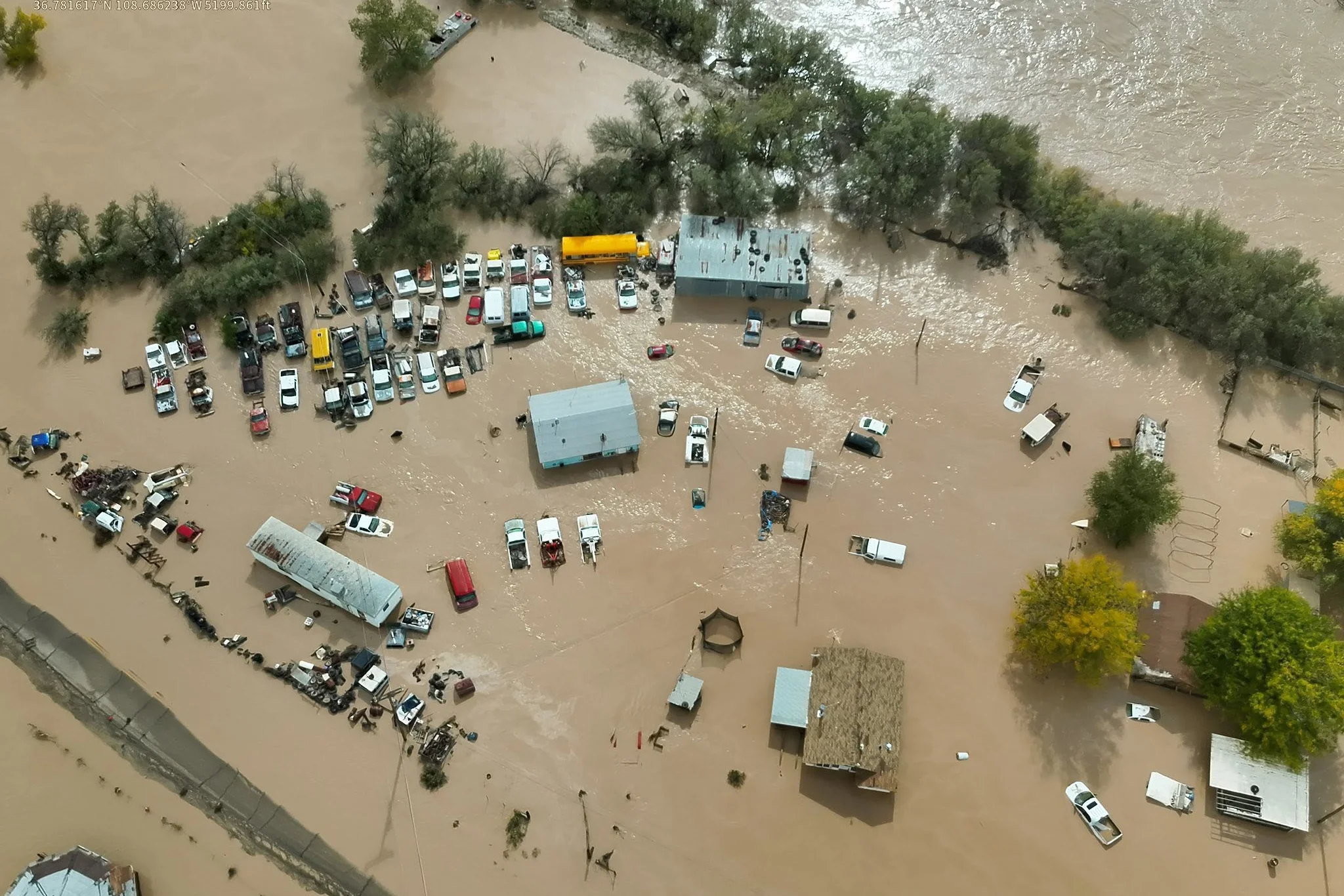
Heavy rainfalls that began early Tuesday overwhelmed riverbanks in northern New Mexico, breaching levees and submerging highways, while local authorities scrambled to rescue families from flooded homes. State emergency managers coordinated with the Army Corps of Engineers to reinforce critical dikes and establish temporary shelters for the thousands forced from their residences.
In the wake of the deluge, damage assessments by the New Mexico Department of Transportation and the Office of the State Engineer indicate that bridge repairs, road resurfacing, and utility restoration will require expenditures running into the hundreds of millions of dollars, a figure that dwarfs previous flood-related budgets for the state.
In-Depth Analysis & Key Details
The current crisis underscores the growing vulnerability of the Southwest to climate‑driven extreme weather, as a warm Pacific Ocean has amplified storm intensity and frequency. Existing flood mitigation infrastructure, largely built decades ago, was not designed for the volume of water now observed, prompting calls for a comprehensive overhaul of levee systems and watershed management policies.
Experts diverge on the best path forward: some advocate for large‑scale federal investment in green infrastructure, such as restored wetlands to absorb runoff, while others argue for immediate hard‑engineered solutions like higher dams. The debate is further complicated by budget constraints and competing priorities in a state already grappling with drought and wildfire recovery.
"The flood response highlights a stark mismatch between historic infrastructure and the new climate reality confronting the Southwest."
Why This Matters & What Lies Ahead
For residents, the financial burden of rebuilding homes and businesses could translate into long‑term displacement and economic hardship, especially in low‑income communities already strained by prior environmental stresses. Moreover, the scale of damage may reshape state and federal budgeting, influencing future allocations for disaster preparedness and climate resilience.
Legislators are set to convene in early November to vote on a supplemental appropriations package that could unlock additional federal aid. The outcome will signal how quickly policymakers can adapt fiscal tools to address escalating weather‑related threats in the region.
Source: Reported by NPR · Analyzed & Synthesized by DNB Newsroom