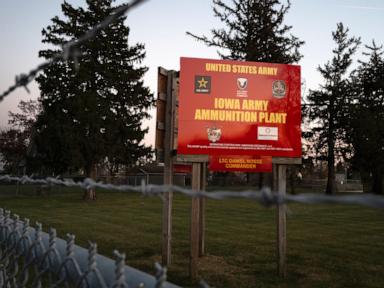
The U.S. Army has confirmed that it will proceed with the controlled detonation of nearly 10,000 pounds of degraded lead azide at a military installation in Middletown, Iowa. The operation, slated for Wednesday, targets a specific stockpile of energetic material that has undergone chemical degradation, rendering it unstable and potentially hazardous. This decision marks a decisive step in the military's ongoing campaign to eliminate high-risk munitions from its active storage facilities, prioritizing public safety and operational security over the continued retention of compromised materials.
The chosen site, located in Middletown, Iowa, serves as a key node in the Army's munitions management infrastructure. The specific quantity of material involved—approximately 10,000 pounds—represents a substantial volume of lead azide, a compound historically used as a primary explosive in detonators and igniters. The degradation of this material poses significant risks, as unstable energetic materials can become sensitive to shock, friction, or heat, increasing the likelihood of accidental detonation during routine handling or storage. By moving to immediate detonation, the Army aims to eliminate these inherent dangers before they can escalate into a larger safety incident.
Official communications from the Army emphasize the planned nature of the event, indicating that safety protocols and environmental monitoring measures will be strictly adhered to during the operation. While the immediate focus is on the physical removal of the hazard, the action also signals a broader institutional commitment to addressing the legacy of older munitions systems. Stakeholders, including local community leaders and environmental advocates, have been kept informed of the schedule, reflecting a transparent approach to managing high-visibility military operations that impact local areas.
In-Depth Analysis & Key Details
The decision to detonate degraded lead azide is rooted in the complex history of energetic material management within the U.S. military. Lead azide, while effective for its intended purpose, is known to be unstable over time, particularly when exposed to environmental factors such as humidity and temperature fluctuations. As military stockpiles age, the risk of spontaneous decomposition increases, creating a persistent safety challenge for logistics and storage personnel. This operation is part of a larger, decades-long effort to modernize munitions storage and disposal practices, moving away from long-term retention of unstable compounds toward proactive remediation.
Regulatory and environmental considerations play a significant role in this decision. The disposal of energetic materials requires careful management to prevent soil and water contamination. Industry analysts observe that the shift toward active detonation of degraded materials reflects a growing awareness of the long-term environmental costs associated with passive storage. This approach aligns with broader Department of Defense initiatives to reduce the environmental footprint of military operations, although it also raises questions about the efficiency and cost-effectiveness of large-scale detonation events compared to alternative disposal methods.
From a technical standpoint, the detonation of nearly 10,000 pounds of lead azide requires precise engineering and safety planning. The material's sensitivity necessitates strict control over the detonation sequence and the surrounding environment. Aviation safety advocates and military safety experts note that such operations, while routine in their procedural framework, carry inherent risks that must be meticulously managed. The success of this operation will depend on the Army's ability to execute the detonation without triggering secondary hazards or environmental incidents, setting a precedent for future similar operations across military installations.
"The controlled detonation of 10,000 pounds of degraded lead azide represents a critical turning point in the Army's strategy to eliminate the hidden dangers of aging energetic materials, balancing immediate safety imperatives with long-term environmental stewardship."
Why This Matters & What Lies Ahead
For local residents in Middletown, Iowa, and the broader public, this operation directly impacts community safety and environmental health. The removal of a large stockpile of unstable explosive material reduces the risk of accidental detonations or chemical leaks that could affect air, soil, and water quality. This action also has implications for the local economy, as it may reduce the long-term liability associated with hazardous material storage, potentially freeing up resources for other community development projects. Furthermore, it sets a precedent for how other military installations will handle similar stockpiles, influencing national standards for munitions disposal.
Upcoming milestones to monitor include the actual execution of the detonation on Wednesday, followed by post-operation environmental assessments to ensure no contamination has occurred. Regulatory bodies may also review the data from this operation to refine future disposal protocols. Additionally, the outcome of this event could influence legislative discussions on funding for hazardous material remediation, as Congress and state legislatures consider the costs and benefits of proactive disposal versus long-term storage. Stakeholders should remain attentive to any official reports on environmental impact and community health monitoring in the weeks following the operation.
Source: Reported by ABC News · Analyzed & Synthesized by DNB Newsroom