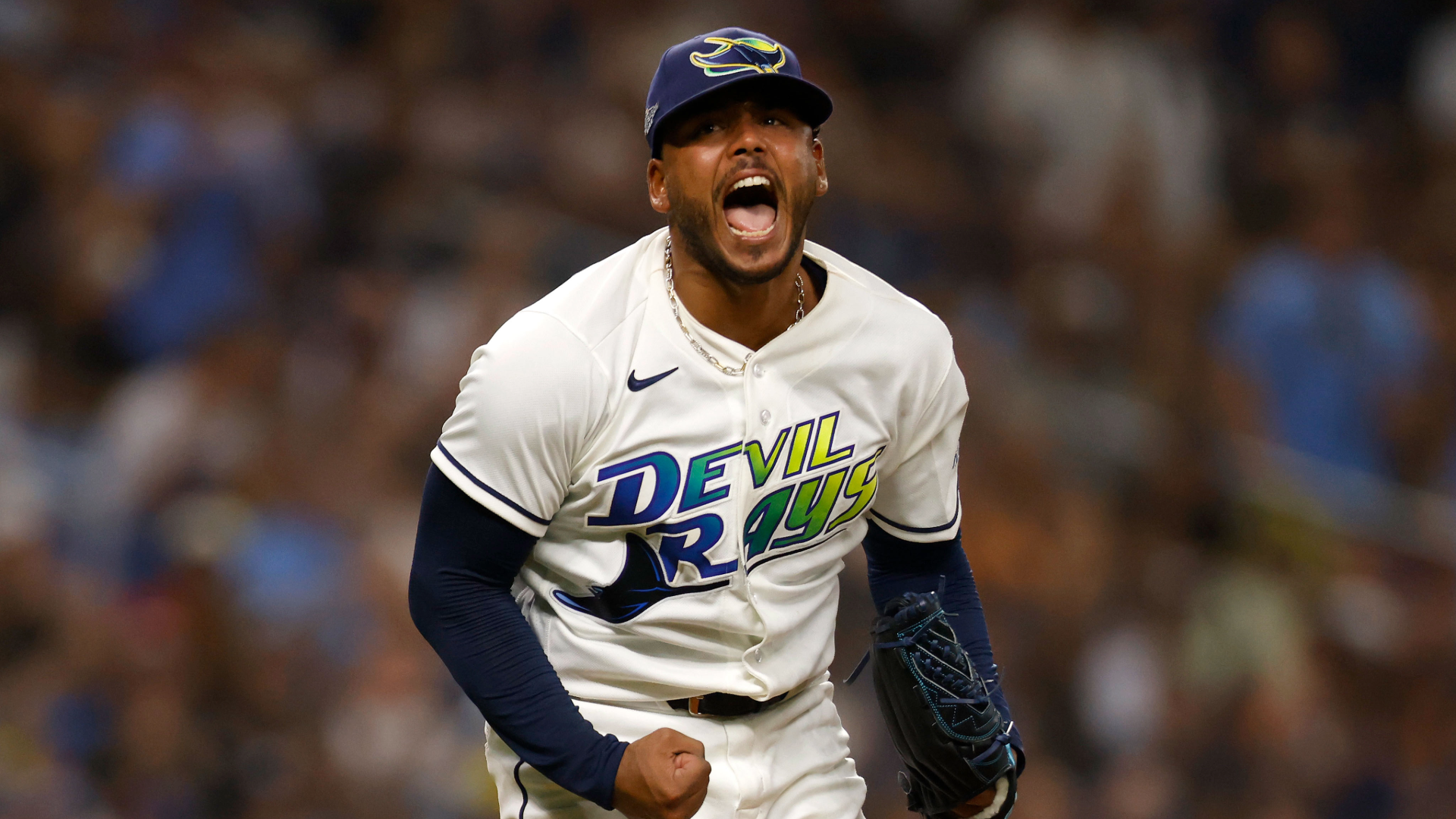
The New York Mets have completed a transformative move in the Major League Baseball free agency landscape by securing the services of Tarik Skubal, effectively removing the league's premier left-handed starter from the open market. This acquisition represents a pivotal moment for the 2027 season, as the Mets aim to solidify their status as perennial contenders by anchoring their rotation with one of the sport's most statistically dominant pitchers. The move has sent ripples through the front offices of every other MLB franchise, forcing a rapid reassessment of their own roster construction strategies and financial commitments.
The immediate operational context of this transaction highlights the scarcity value that now defines the starting pitcher market. With Skubal no longer available, teams that had previously targeted him must now pivot to the next tier of talent, which includes a mix of seasoned veterans and high-upside free agents. This shift is not merely about filling a roster hole; it is about recalibrating the entire hierarchy of value in baseball, where the absence of the top option elevates the perceived worth of the second and third best available arms.
Official responses from rival organizations have been largely focused on strategic adaptation rather than public lament. Front-office executives are now engaged in intensive negotiations with the remaining top free agents, leveraging the heightened demand to secure favorable terms. The broader industry reaction underscores a growing consensus that the window for acquiring elite starting talent is narrowing, pushing teams to make decisive moves before the remaining high-profile options are claimed by other well-funded franchises.
In-Depth Analysis & Key Details
Historically, the MLB free agency market for starting pitchers has been characterized by a thin ceiling and a deep floor, but the Skubal transaction exemplifies the increasing polarization of this structure. The historical background of rotation building suggests that teams have long relied on a combination of internal development and targeted acquisitions to maintain competitive balance. However, the current era of salary cap flexibility and revenue sharing has allowed a few wealthy franchises to outbid the rest for the absolute best talent, creating a tiered market where the gap between the top five and the next ten pitchers is more pronounced than at any point in recent memory.
Competing perspectives on this development highlight the tension between short-term competitive advantage and long-term financial sustainability. Industry analysts observe that while the Mets gain an immediate competitive edge, the opportunity cost of such a massive investment may limit their flexibility in other areas of the roster. Conversely, teams that pass on the top tier are betting on the depth of the market, arguing that a group of very good starters can be more effective than a single ace supported by average arms. This debate is further complicated by the evolving role of analytics in pitcher evaluation, where traditional metrics are increasingly supplemented by advanced tracking data that can identify undervalued assets.
The technical intricacies of this market shift also involve the complex interplay of contract structures and performance incentives. As teams compete for the remaining top free agents, the inclusion of opt-out clauses and performance bonuses has become standard, reflecting the uncertainty surrounding player longevity and injury risk. This trend is reshaping how front offices approach long-term planning, with a greater emphasis on short-term value and flexibility rather than multi-year commitments to a single player.
"The removal of the market's apex predator does not just change the food chain; it redefines the value of every other creature in the ecosystem, forcing a complete recalibration of competitive strategy across the league."
Why This Matters & What Lies Ahead
For everyday fans and the broader baseball community, this development underscores the increasing concentration of talent in a few elite franchises, which can have significant implications for competitive balance and fan engagement. The financial implications extend beyond the Mets, as the heightened demand for the remaining top free agents is likely to drive up salaries league-wide, potentially impacting the overall economic structure of MLB. This trend may also influence future labor negotiations, as players' unions seek to capitalize on the increased market value of their members.
Upcoming milestones to watch include the final stages of free agency negotiations, where the remaining top pitchers are expected to sign with teams that have the financial capacity and strategic need. Additionally, the trade deadline will be a critical point of interest, as teams that have not secured their desired starters may look to acquire them through trade, potentially sending shockwaves through the league. Monitoring these developments will be essential for understanding how the 2027 season's competitive landscape will ultimately take shape.
Source: Reported by CBS Sports · Analyzed & Synthesized by DNB Newsroom


