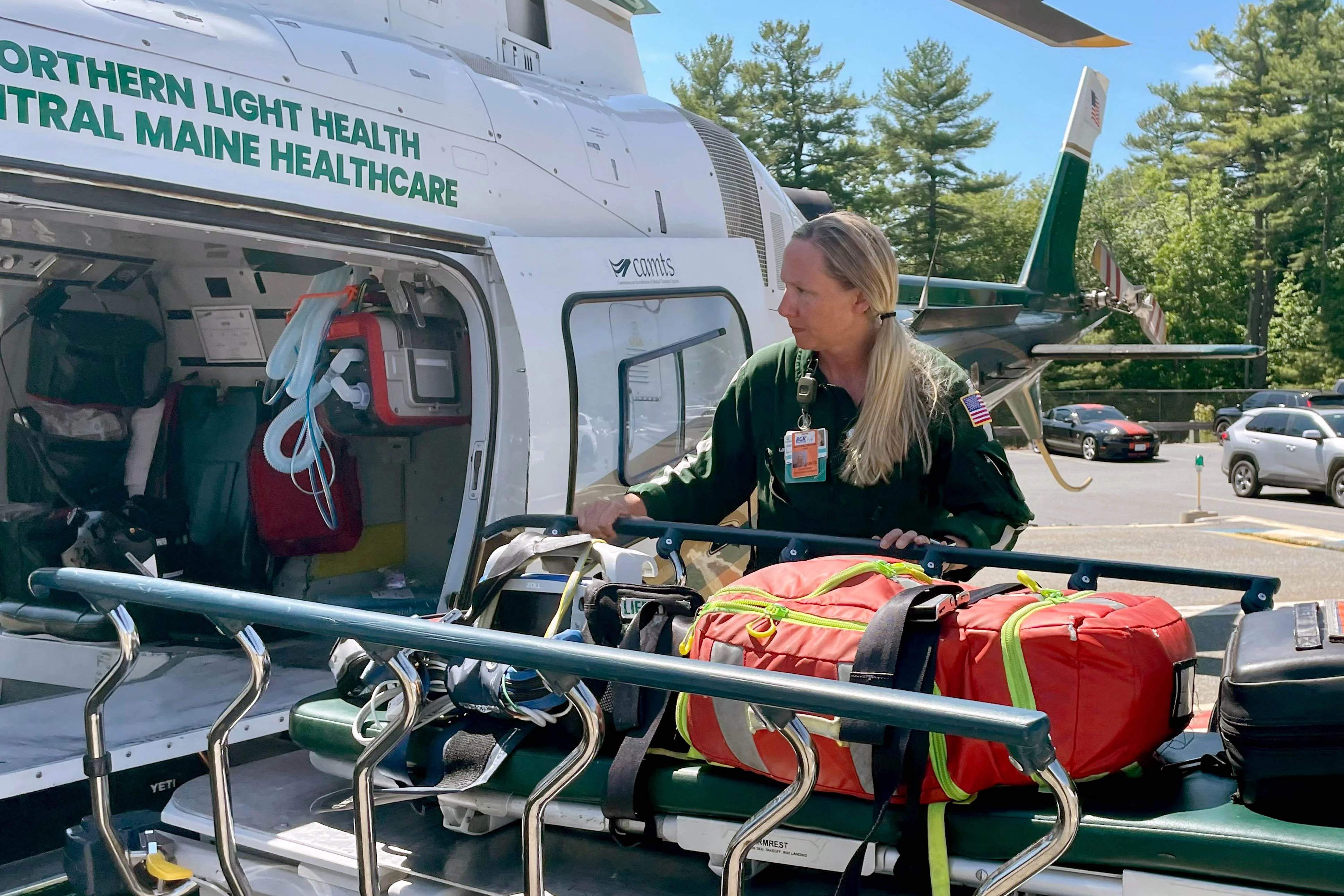
In a significant departure from traditional air medical operational norms, LifeFlight of Maine has launched a comprehensive strategy to retain its medical aviation workforce by placing the physical and psychological needs of its staff at the forefront of its mission. The organization acknowledges that the extreme pressures of helicopter emergency medical services (HEMS) have led to unsustainable attrition rates, threatening the continuity of care for patients in remote areas. By redefining its internal culture, the provider aims to break the cycle of recruitment and loss that has plagued the sector for years.
The operational context for this change is defined by the rugged terrain of Maine and the logistical challenges of reaching scattered rural populations. Air medical transport in such environments is not merely a logistical task but a high-stakes endeavor involving severe weather, limited landing zones, and extended flight times. LifeFlight’s new approach recognizes that the human element—specifically the fatigue and stress of the crew—directly impacts patient safety and service reliability. The company is investing in better scheduling, mental health resources, and equipment upgrades to make the job more sustainable for its employees.
Leadership at LifeFlight has stated that this shift is not just a perk but a critical operational necessity. Officials note that the cost of constantly recruiting, training, and integrating new pilots and paramedics exceeds the investment required to support existing staff. Stakeholders in the rural healthcare community have responded cautiously optimistically, viewing this as a necessary correction to a system that had been treating its workforce as disposable. The move signals a broader recognition that sustainable emergency care depends on sustainable work conditions.
In-Depth Analysis & Key Details
The historical trajectory of air medical services in the United States has often prioritized technological advancement and speed over human factors, leading to a sector characterized by high-risk, high-reward employment that frequently results in burnout. For decades, the industry has struggled with a paradox: it requires highly skilled, calm professionals to operate in chaotic, dangerous environments, yet it often fails to provide the structural support necessary to maintain that composure. LifeFlight’s initiative addresses these deep-seated structural forces by acknowledging that the 'human factor' is the most critical component of the system's integrity.
Competing perspectives within the industry often debate the allocation of limited resources between fleet modernization and staff welfare. Critics of traditional models argue that focusing on staff retention is a distraction from the need for faster response times and more advanced aircraft. However, proponents of the new model argue that an experienced, rested crew is inherently safer and more efficient than a rotating cast of newcomers. The economic consequences of high turnover are significant, with training costs for a single helicopter crew member running into tens of thousands of dollars, making retention a financially prudent strategy as well as an ethical one.
Expert domain context suggests that the aviation industry as a whole is grappling with similar workforce challenges, with pilot shortages affecting commercial and cargo sectors alike. The specific stresses of HEMS, including irregular hours and the emotional toll of traumatic incidents, exacerbate these trends. By adopting a proactive, wellness-focused model, LifeFlight is aligning with emerging best practices in occupational health, potentially setting a new standard for how critical infrastructure workers are supported in high-stress environments.
"The stability of the sky is only as strong as the well-being of the hands that hold the controls; without addressing the human cost of emergency medicine, the system will continue to fracture under the weight of its own demands."
Why This Matters & What Lies Ahead
For everyday citizens in rural Maine, this development has direct implications for the reliability of emergency medical response. A stable, experienced crew is less likely to make errors under pressure and more likely to provide high-quality care during critical moments. Furthermore, this model could influence legislative discussions regarding the funding and regulation of air medical services, potentially leading to state or federal mandates that require providers to meet certain workforce welfare standards to maintain licensure or funding.
Upcoming milestones to monitor include the first annual report on staff retention metrics from LifeFlight, which will provide concrete data on the effectiveness of the new strategy. Additionally, regulatory bodies may review these outcomes to determine if similar requirements should be imposed on other air medical providers across the country. The success or failure of this initiative will serve as a key case study for policymakers and industry leaders seeking to balance operational efficiency with human sustainability in the healthcare sector.
Source: Reported by NPR · Analyzed & Synthesized by DNB Newsroom