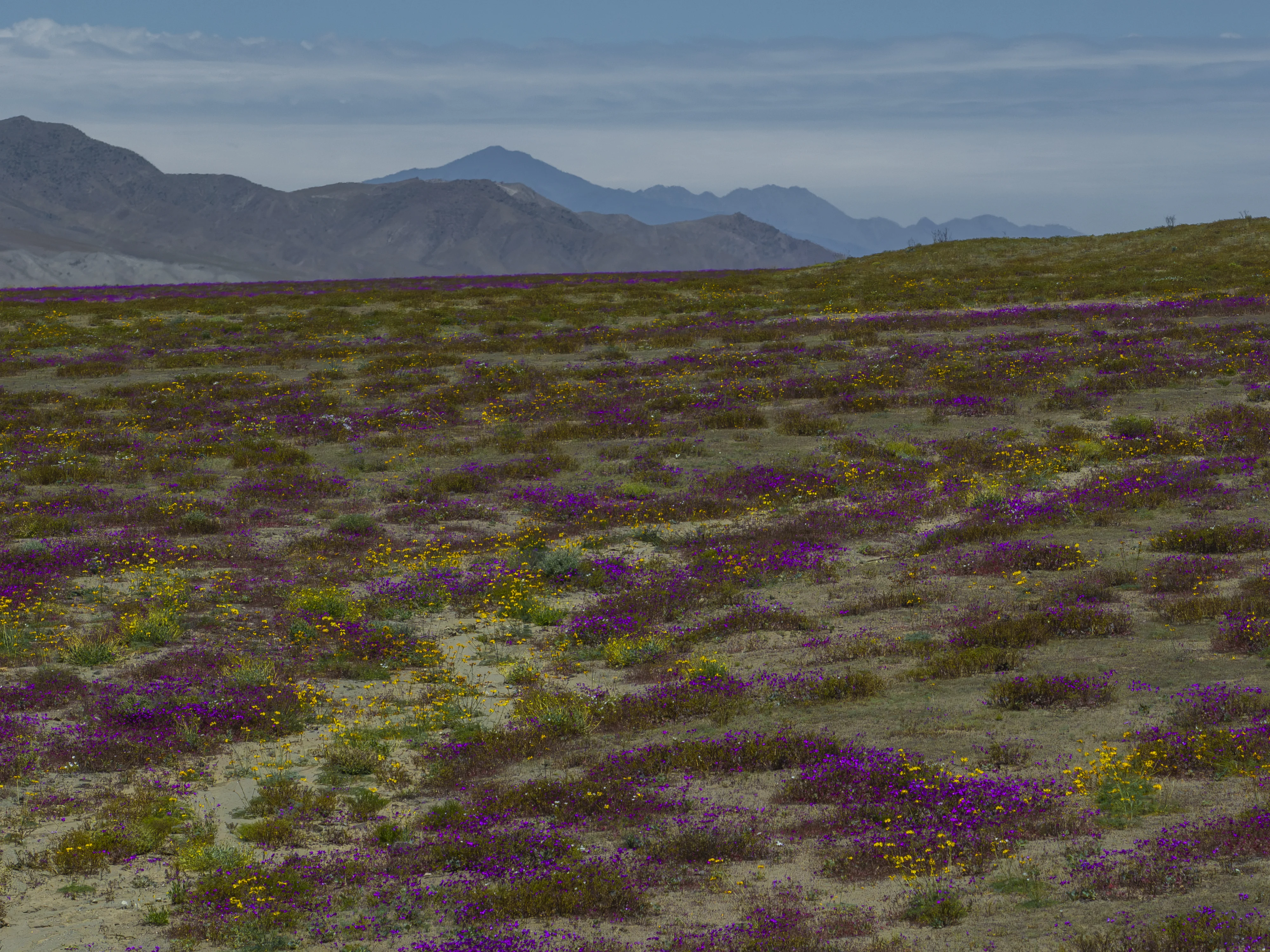
The arid spine of northern Chile has been transformed into a vivid tapestry of wildflowers after an unusually wet winter driven by a potent El Niño pattern. Satellite imagery captured on April 12 showed verdant patches stretching from Antofagasta to the high‑altitude plateaus of San Pedro de Atacama, an area historically known for its near‑permanent dryness.
Field teams from the University of Chile and the Chilean National Forestry Corporation arrived on site in early May, documenting over 150 plant species—including the iconic *Añañuca* and rare desert lilies—flourishing side by side with insects and small mammals that had lain dormant for years. The bloom spans an estimated 2,300 square kilometres, a scale scientists describe as the most extensive in at least three decades.
In a press conference on May 3, Environment Minister Maisa Rojas highlighted the event as both a natural marvel and a research opportunity, pledging resources for ecological surveys and visitor safety. Local tourism operators, meanwhile, have begun coordinating guided tours, emphasizing responsible conduct to safeguard the delicate flora.
In-Depth Analysis & Key Details
Historically, the Atacama Desert has recorded only sporadic bursts of life, typically following isolated storm systems that deliver less than 20 mm of rain in a single event. The current El Niño episode, however, delivered a cumulative precipitation volume comparable to the region's average annual rainfall, fundamentally altering the desert's water balance and triggering seed germination on an unprecedented scale.
The bloom has ignited debate among policymakers and economists. While the Ministry of Tourism touts a short‑term economic windfall—projected to inject roughly US$12 million into local businesses—the Ministry of Agriculture warns that the sudden surge in plant growth could attract invasive species and alter soil chemistry, potentially jeopardising long‑term agricultural plans in adjacent valleys. International climate observers also note that such extreme weather patterns may become more frequent, challenging existing desert‑conservation frameworks.
Experts from the Global Desert Research Network stress that the Atacama's response offers a living laboratory for studying climate resilience. Dr. Lucía Fernández, a botanist at the University of Chile, explains that the rapid phenological shift provides rare data on seed bank viability, pollinator dynamics, and carbon sequestration in hyper‑arid ecosystems—insights that could inform broader climate‑adaptation strategies worldwide.
"The Atacama's sudden burst of color is a stark reminder that even the planet's most inhospitable corners are vulnerable to climate extremes, demanding swift scientific and policy action."
Why This Matters & What Lies Ahead
For residents of northern Chile, the bloom translates into immediate economic opportunities—hotel bookings, guided excursions, and artisanal sales are projected to rise sharply, offering a reprieve in a region long dependent on mining revenues. At the same time, the event highlights the fragility of desert ecosystems, prompting citizens to reconsider water usage and land‑management practices in the face of erratic weather.
Looking ahead, the Chilean Congress is slated to review a draft amendment to the National Biodiversity Law in September, which could tighten protections for transient habitats like the Atacama bloom. Parallelly, a joint research symposium organized by the United Nations Environment Programme is scheduled for November, aiming to synthesize findings from this event and shape global guidelines for desert conservation under changing climate regimes.
Source: Reported by NPR · Analyzed & Synthesized by DNB Newsroom