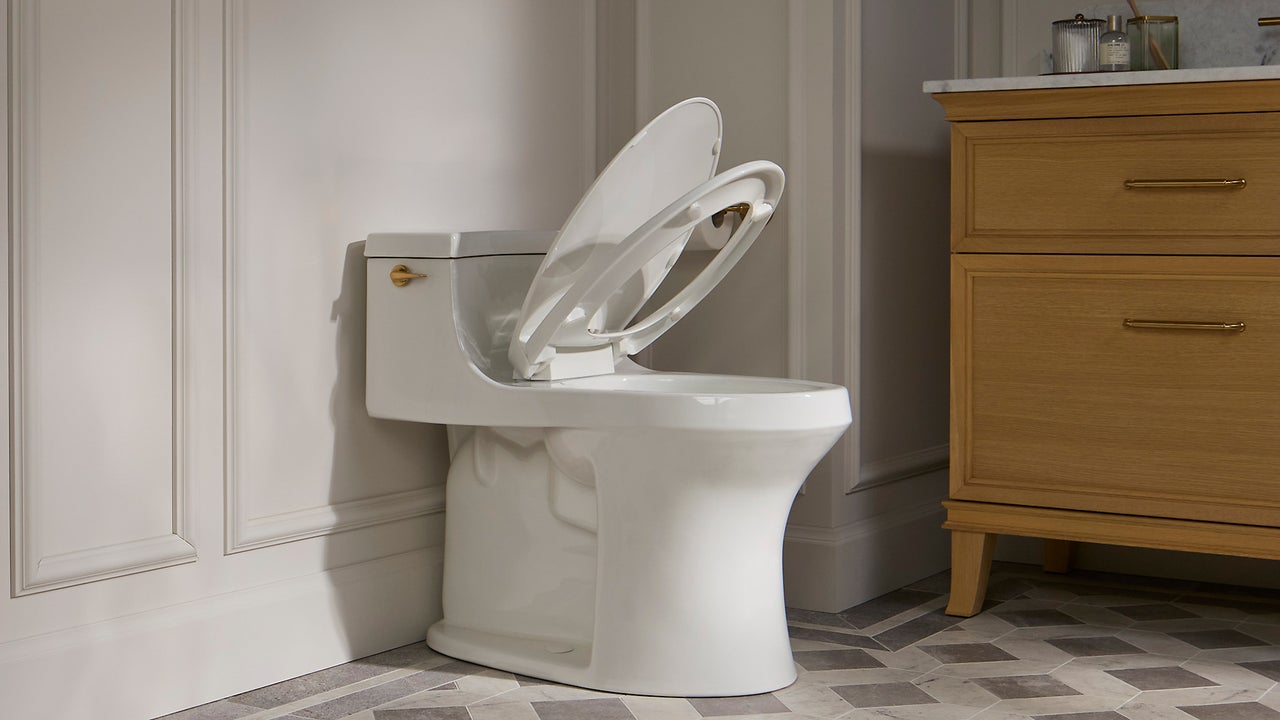
Kohler, the long‑standing bath and kitchen products manufacturer, announced the Cleana Reset on March 12, 2024, at its headquarters in Westlake, Ohio. The new toilet seat features a spring‑based mechanism that senses when the seat remains raised and gently lowers it, ensuring that the fixture is always ready for use without any electrical input. The design is available in the United States and Canada through major retailers and Kohler’s own e‑commerce platform.
The Cleana Reset’s mechanical operation eliminates the need for batteries, a first in the smart toilet market, and reduces the product’s carbon footprint. The system is calibrated to function within a 2‑second window, providing a seamless experience for users who often forget to lower the seat after use. Kohler’s marketing team highlights the product’s compliance with the latest safety and environmental standards, positioning it as a responsible choice for eco‑conscious consumers.
In a statement released to the press, Kohler’s CEO, John McKay, emphasized the company’s commitment to “innovating everyday comfort while safeguarding the planet.” He added that the new seat will be available nationwide by late spring, with a projected retail price of $129. The announcement has sparked interest from industry analysts and consumer advocacy groups, who view the technology as a potential game‑changer for households seeking both convenience and sustainability.
In-Depth Analysis & Key Details
The Cleana Reset builds on a long tradition of mechanical ingenuity in household fixtures, echoing the simplicity of the classic lever‑operated toilet seat while integrating a subtle form of automation. Historically, the debate over seat position has been a minor but persistent annoyance in domestic settings, prompting a niche market for aftermarket solutions. Kohler’s approach leverages this historical friction point by offering a low‑maintenance, battery‑free alternative.
Regulatory scrutiny for smart home devices typically focuses on energy consumption and wireless emissions. Because Cleana Reset operates without any electrical power, it bypasses many of the FCC and ENERGY STAR certification hurdles that electronic models face. However, the product still falls under the broader category of “smart” appliances, prompting discussions among consumer safety advocates about the definition of “smart” and the implications for future labeling standards.
From an engineering perspective, the Cleana Reset exemplifies the potential of mechanical automation to achieve energy efficiency. Mechanical systems, unlike their electronic counterparts, do not rely on power sources and can be designed for durability and low maintenance. Industry analysts observe that this could set a precedent for other household products, encouraging manufacturers to explore battery‑free solutions that meet growing consumer demand for sustainability.
"We’re turning a daily nuisance into a seamless experience—no batteries, no hassle, just pure convenience."
Why This Matters & What Lies Ahead
For everyday consumers, the Cleana Reset offers a tangible improvement in household hygiene and convenience, eliminating the common oversight of leaving the toilet seat up. By eliminating batteries, the product reduces waste and aligns with broader environmental goals, potentially lowering household carbon footprints and saving consumers the cost of battery replacements.
The market will be closely watched in the coming months as Kohler rolls out the product nationwide and monitors consumer feedback. Key milestones include the first quarterly sales report in July, a consumer‑rights hearing in August where the product’s safety claims will be scrutinized, and a potential patent filing in September that could influence future designs in the smart home industry.
Source: Reported by Fast Company · Analyzed & Synthesized by DNB Newsroom