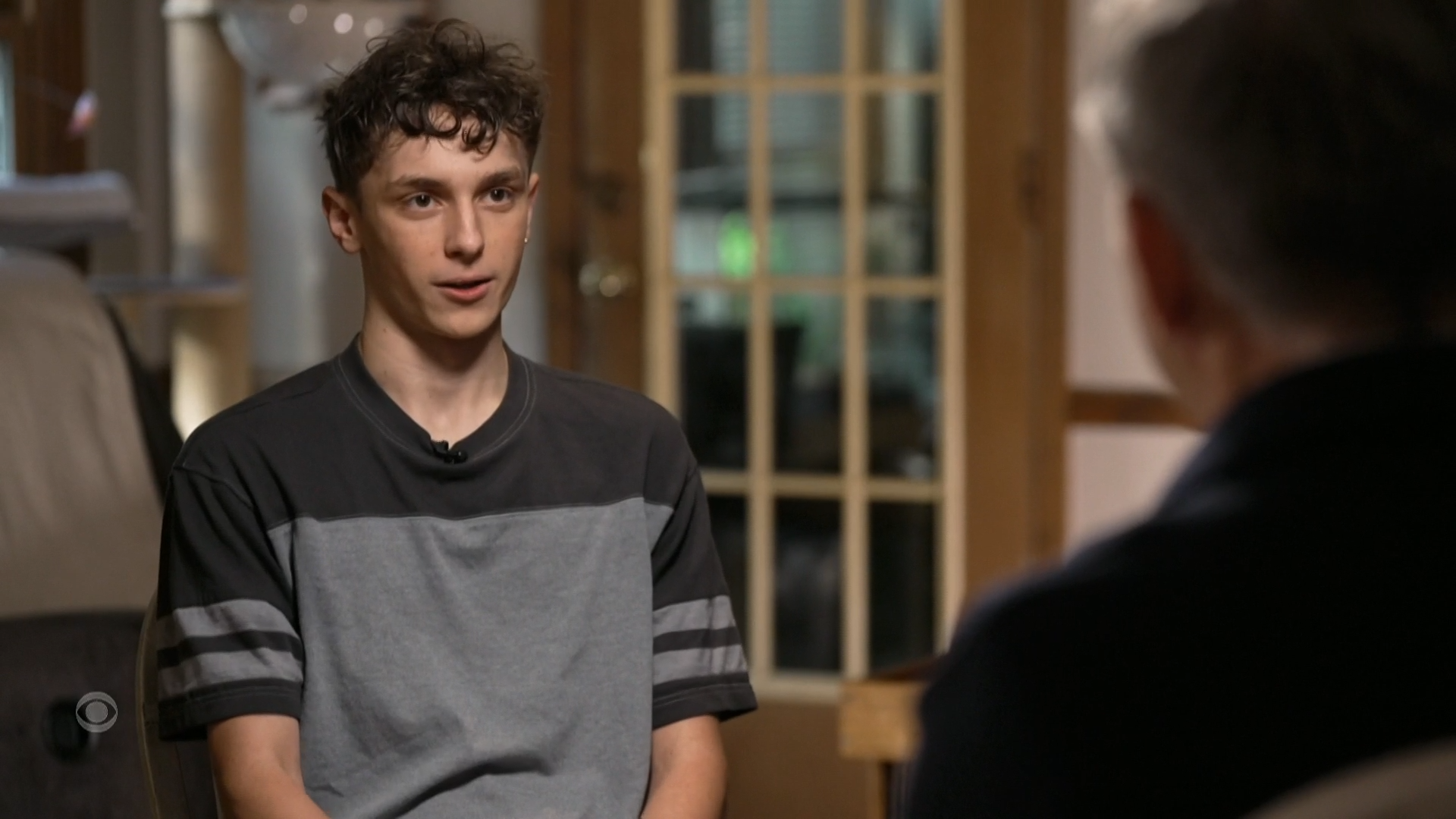
In August, the Charney household faced a heartbreaking transition when Jennifer Charney, a stay‑at‑home mother who had fought breast cancer for a decade, passed away, leaving eight children and a grieving spouse behind. The loss reverberated through their Midwestern community, prompting immediate outreach from local hospice staff, the county health department, and neighborhood volunteers who rallied to fill the sudden gap in daily care.
The family’s youngest member, Joey Charney, then just thirteen, assumed the role of kitchen manager, cooking breakfast, lunch, and dinner while also handling grocery shopping and basic nutrition planning for his siblings. He began sharing short videos of his cooking routine on a popular video platform, where viewers were drawn to his calm demeanor and the practical tips he offered for feeding a large family on a tight budget. Within days, the clips went viral, sparking a flood of supportive comments, donation offers, and media inquiries.
A spokesperson for the Charney family, speaking on behalf of the household, thanked neighbors, the local school district, and a regional food bank for their swift assistance. The district announced that Joey would receive a flexible schedule to accommodate his new responsibilities, while the food bank pledged weekly deliveries of fresh produce. Health advocates also issued statements highlighting the emotional toll on teen caregivers and urging broader social‑service support.
In-Depth Analysis & Key Details
The phenomenon of teenage caregivers is not new, but it has historically been under‑reported in public health data, largely because families often view caregiving as a private duty. Over the past two decades, researchers have documented a steady rise in the number of minors who take on adult‑level responsibilities after a parent’s serious illness, a trend amplified by the increasing prevalence of chronic diseases such as cancer. Joey’s story sits at the intersection of this hidden labor force and the modern digital age, where personal narratives can quickly become national talking points.
From a policy perspective, advocates argue that existing child‑labor regulations do not adequately protect teens who are forced into caregiving roles by circumstance rather than choice. Critics caution that publicizing such stories could inadvertently romanticize the burden, overlooking the psychological strain and potential educational setbacks. Meanwhile, nonprofit organizations and school systems are experimenting with flexible attendance policies and targeted counseling, seeking a balance between supporting family resilience and safeguarding youth development.
Public‑health analysts note that the viral spread of Joey’s cooking videos serves a dual purpose: it provides practical guidance to other families in similar predicaments, and it raises awareness among policymakers about the need for formal support structures. By turning a kitchen into a platform for advocacy, the Charney family inadvertently contributes to a growing evidence base that could shape future legislation on teen caregiving and family assistance programs.
"When a kitchen becomes a lifeline, the line between parent and child blurs, revealing both the strain and the strength of family bonds."
Why This Matters & What Lies Ahead
For everyday readers, Joey’s experience underscores how ordinary household tasks can become critical survival mechanisms when a family loses its primary caregiver. The story spotlights the emotional labor and logistical challenges faced by siblings thrust into adult roles, prompting a reevaluation of community resources, mental‑health services, and school policies that traditionally overlook teen caregivers.
Legislators and advocacy groups are now watching the Charney case as a catalyst for potential policy change. Several state representatives have signaled interest in drafting bills that would provide tax credits for families supporting teen caregivers, while school boards in the region are set to vote on formalizing flexible scheduling provisions. Monitoring these developments will be essential for stakeholders seeking to address the systemic gaps revealed by this personal tragedy.
Source: Reported by CBS News · Analyzed & Synthesized by DNB Newsroom