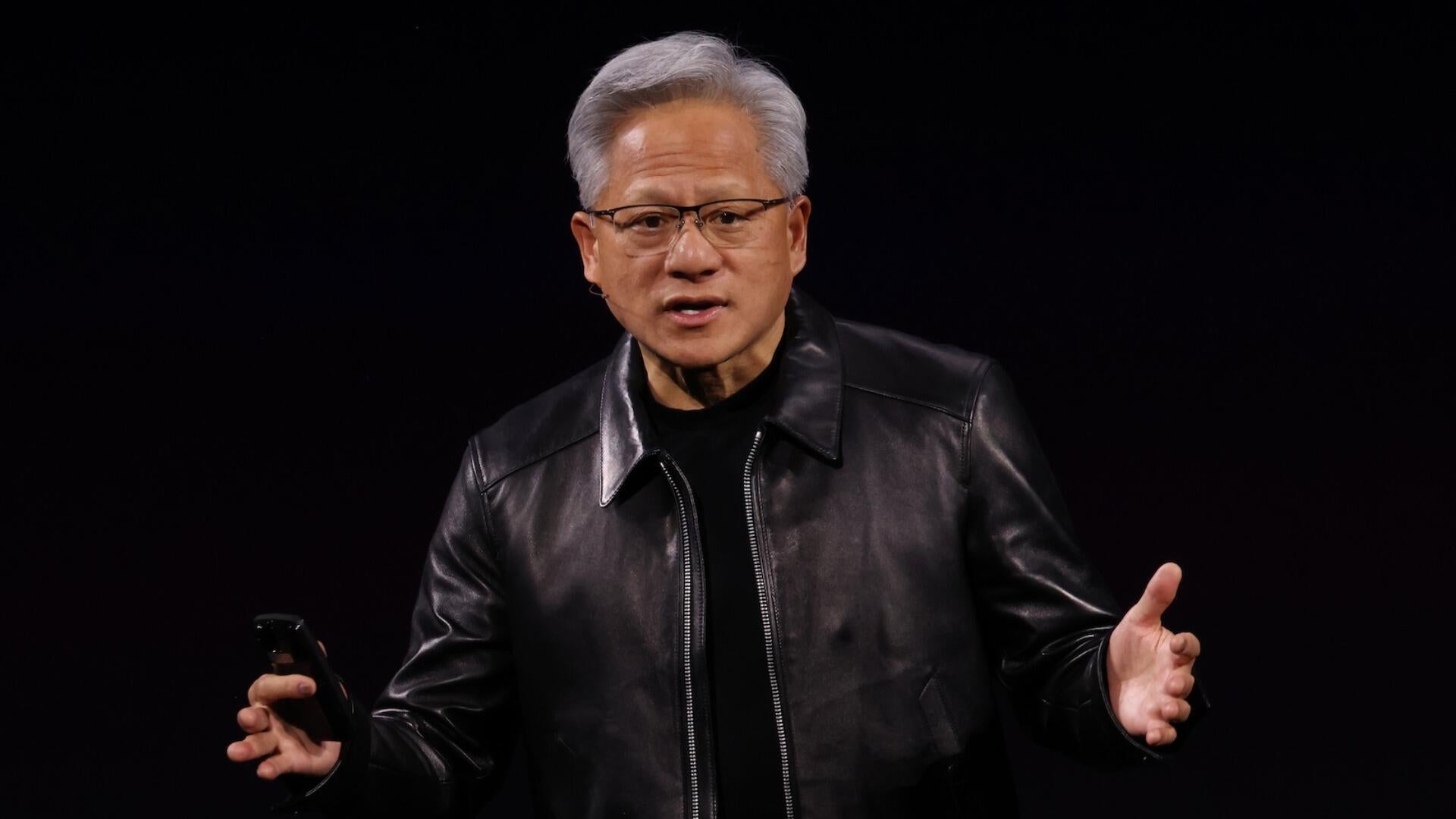
Jensen Huang, co‑founder and longtime chief executive of Nvidia, signaled his intention to resume full leadership duties during a Tuesday webcast that drew thousands of investors and tech enthusiasts. The announcement, made from the company’s Santa Clara headquarters, was framed as a strategic step to steer Nvidia through a period of unprecedented demand for graphics processing units and generative‑AI accelerators.
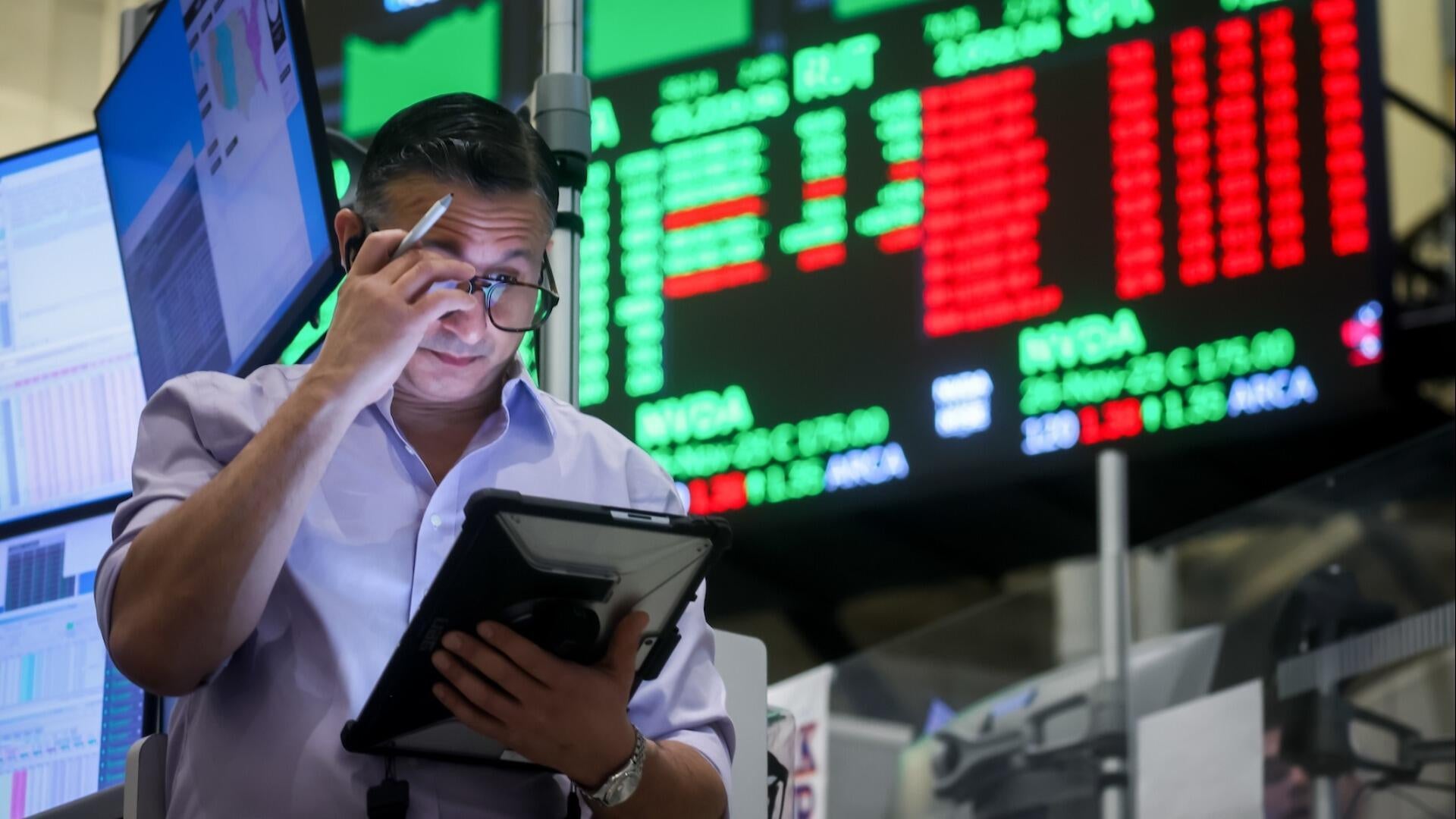
Within seconds of Huang’s statement, the stock surged about 4%, lifting the broader technology sector and prompting a brief but noticeable uptick in the Nasdaq Composite. Trading floors in New York and Hong Kong reported heightened activity in AI‑linked equities, with rivals such as AMD and Intel experiencing modest gains as investors recalibrated exposure to the AI boom.
In a follow‑up interview, Nvidia’s board released a concise statement emphasizing continuity of vision and commitment to expanding AI infrastructure. Kelly O'Grady of CBS News highlighted the market’s swift response, while Nick Thompson, CEO of The Atlantic, noted that Huang’s return could signal a new phase of aggressive product rollout and partnership expansion, underscoring the company’s pivotal role in the emerging AI economy.
In-Depth Analysis & Key Details
Huang’s comeback arrives against a backdrop of rapid AI adoption that has transformed Nvidia from a gaming‑chip specialist into a linchpin of data‑center computing. Since 2020, the firm’s revenue share from AI‑related products has ballooned from under 10% to more than 45%, a shift that has attracted both capital inflows and regulatory attention. Historical patterns suggest that leadership stability often correlates with sustained innovation cycles, a factor investors are weighing heavily.
Regulators in the United States and Europe have begun probing the concentration of AI‑hardware capabilities, raising questions about market dominance and potential antitrust concerns. Industry analysts observe that Huang’s return may intensify Nvidia’s push into custom AI silicon, potentially prompting further scrutiny from the Federal Trade Commission and the European Commission, which are monitoring vertical integration trends.
From a technical standpoint, Huang’s leadership is associated with a culture of rapid iteration and aggressive road‑mapping. His presence is likely to accelerate the rollout of the next‑generation Hopper architecture, slated for early 2025, which promises up to 2.5× performance gains over the current platform. Such advancements could tighten Nvidia’s grip on the AI supply chain, influencing everything from cloud‑service pricing to startup funding strategies.
"Huang’s return isn’t just a personnel change; it’s a catalyst that could accelerate the AI hardware arms race and reshape the competitive landscape for years to come."
Why This Matters & What Lies Ahead
For consumers and businesses alike, Nvidia’s trajectory directly affects the cost and accessibility of AI services, from personalized recommendation engines to advanced scientific modeling. A surge in Nvidia’s market valuation often translates into higher capital expenditures for AI startups, potentially inflating valuation bubbles and influencing venture‑capital allocation.
Policymakers and investors will be watching forthcoming earnings releases, the Federal Trade Commission’s pending review of AI‑hardware mergers, and upcoming congressional hearings on AI regulation slated for early 2027. These events will determine whether Nvidia’s accelerated growth translates into broader economic benefits or triggers corrective measures aimed at preserving competitive markets.
Source: Reported by CBS News · Analyzed & Synthesized by DNB Newsroom