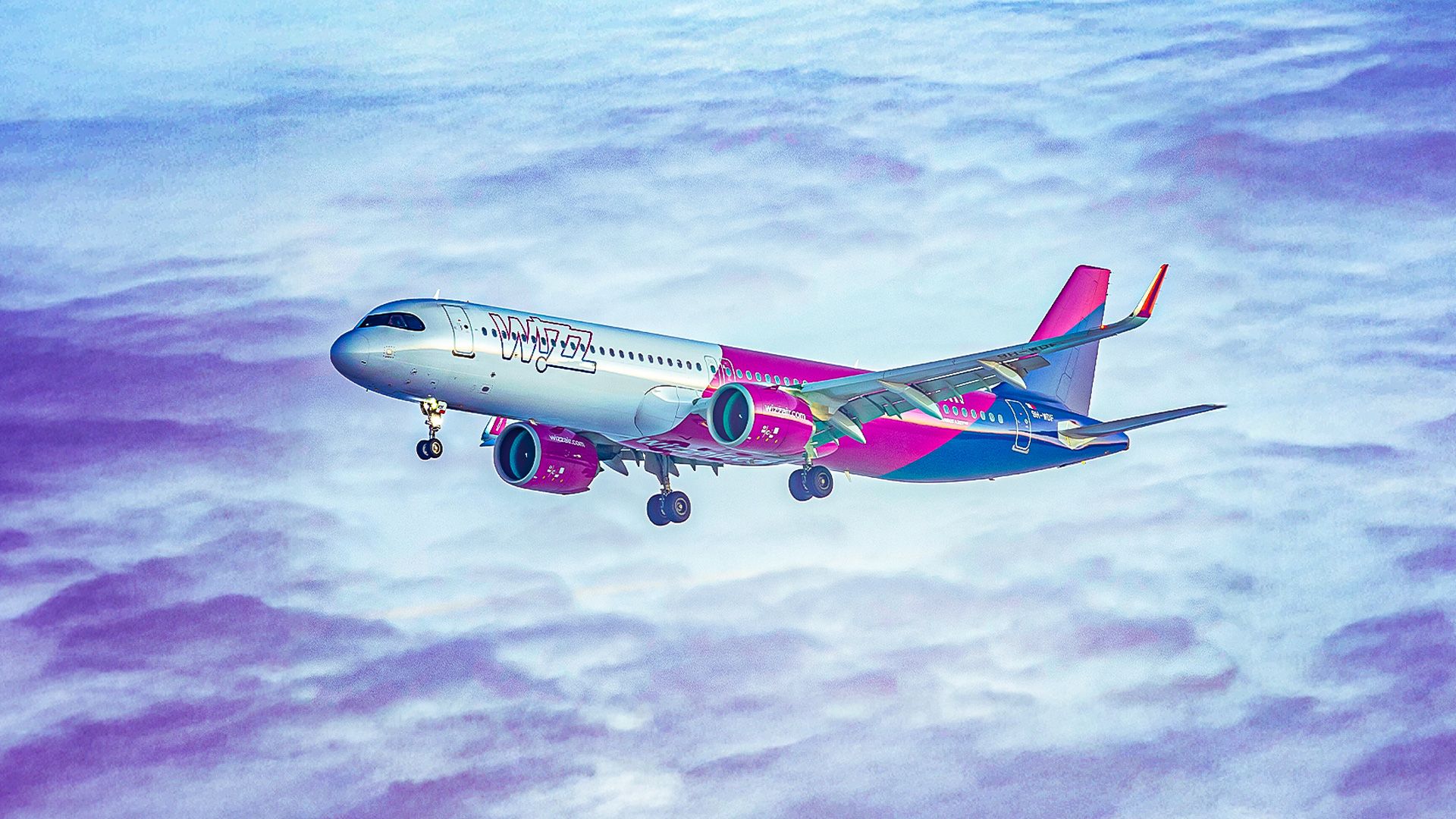
A commercial aviation security incident unfolded on a crowded European route when a Wizz Air flight departing from London was intercepted by Hungarian military assets due to a reported bomb threat. The Hungarian Air Force, acting on instructions from civil aviation authorities, scrambled a fighter jet to shadow the passenger aircraft as it approached Budapest. This high-stakes intervention was designed to neutralize potential risks and facilitate a controlled landing, marking a significant escalation in the response protocol for airborne security threats in the region.
The operational context of the diversion reveals the tight coordination required between transnational aviation bodies. As the aircraft descended into Budapest’s airspace, the fighter jet maintained a close escort, a procedure typically reserved for high-value targets or severe security breaches. The presence of the military asset served not only as a deterrent but also as a signal to ground security teams to prepare for an immediate, high-level containment operation upon the plane's arrival. The swift execution of this maneuver prevented further delay and minimized the risk to the passengers and crew on board.
Official statements from both Wizz Air and Hungarian aviation authorities emphasized the safety of all individuals involved, confirming that no explosive devices were discovered during the subsequent security sweep. The airline expressed gratitude to the Hungarian military and civil aviation authorities for their professional handling of the situation. While the specific origin of the threat remains under investigation, the incident has triggered a joint inquiry between UK and Hungarian security services to determine the credibility of the report and to identify any potential malicious actors.
In-Depth Analysis & Key Details
The deployment of a fighter jet for a commercial flight is a rare occurrence in peacetime European aviation, reflecting the heightened security environment that has persisted since the early 2000s. Historically, such threats have been managed through diversion to a nearby airport and a police-led security sweep. However, the integration of military assets into civilian aviation security responses indicates a shift in risk assessment, where the potential for catastrophic harm outweighs the cost of mobilizing high-end military resources. This incident is part of a broader trend of increased vigilance in European airspace, driven by geopolitical instability and the evolving nature of terrorist threats.
From a regulatory perspective, the incident highlights the complex interplay between national sovereignty and international aviation standards. While Wizz Air operates under UK and EU regulations, the response was dictated by Hungarian national security protocols. This divergence can create friction in terms of liability and operational control, particularly when multiple jurisdictions are involved. The economic consequences of such diversions are non-trivial; they involve fuel costs, crew duty time extensions, and potential compensation claims from passengers, all of which erode the thin profit margins that define the low-cost carrier model.
Experts in aviation security note that the effectiveness of such responses relies heavily on the speed of intelligence sharing and the clarity of communication between air traffic control, airline operations, and military command. The fact that the fighter jet was scrambled and intercepted the aircraft without incident speaks to the proficiency of Hungarian air defense systems. However, it also raises questions about the preparedness of other European nations to respond to similar threats, particularly those with less robust military-civilian coordination frameworks. The technical intricacies of escorting a civilian jet with a military asset require precise communication and coordination to avoid any accidental collision or misunderstanding, a challenge that is successfully managed only by highly trained personnel.
"The interception of a civilian jet by military assets serves as a stark reminder that the skies above Europe remain a contested space, where the safety of millions depends on the seamless integration of military might and civilian protocol."
Why This Matters & What Lies Ahead
For everyday travelers, this incident underscores the reality that air travel, while statistically safe, is not immune to security disruptions. The diversion and subsequent security checks can lead to significant delays, missed connections, and financial losses for passengers. Moreover, the psychological impact of such events can erode public confidence in aviation security, potentially affecting travel demand and the reputation of airlines involved. For the aviation industry, the incident highlights the need for robust security protocols that can adapt to evolving threats, including cyber-attacks and physical sabotage.
In the coming weeks, stakeholders should monitor the results of the joint investigation between UK and Hungarian authorities, which may reveal new vulnerabilities in the security chain. Additionally, the European Union Aviation Safety Agency (EASA) may issue new guidelines or recommendations to improve coordination between national militaries and civilian aviation authorities. Investors in the aviation sector should also watch for any regulatory changes that could increase operational costs for airlines, particularly low-cost carriers that operate on tight margins. The outcome of this incident will likely shape future security policies across Europe, with potential implications for how airlines manage risk and how governments allocate resources to aviation security.
Source: Reported by Simple Flying · Analyzed & Synthesized by DNB Newsroom