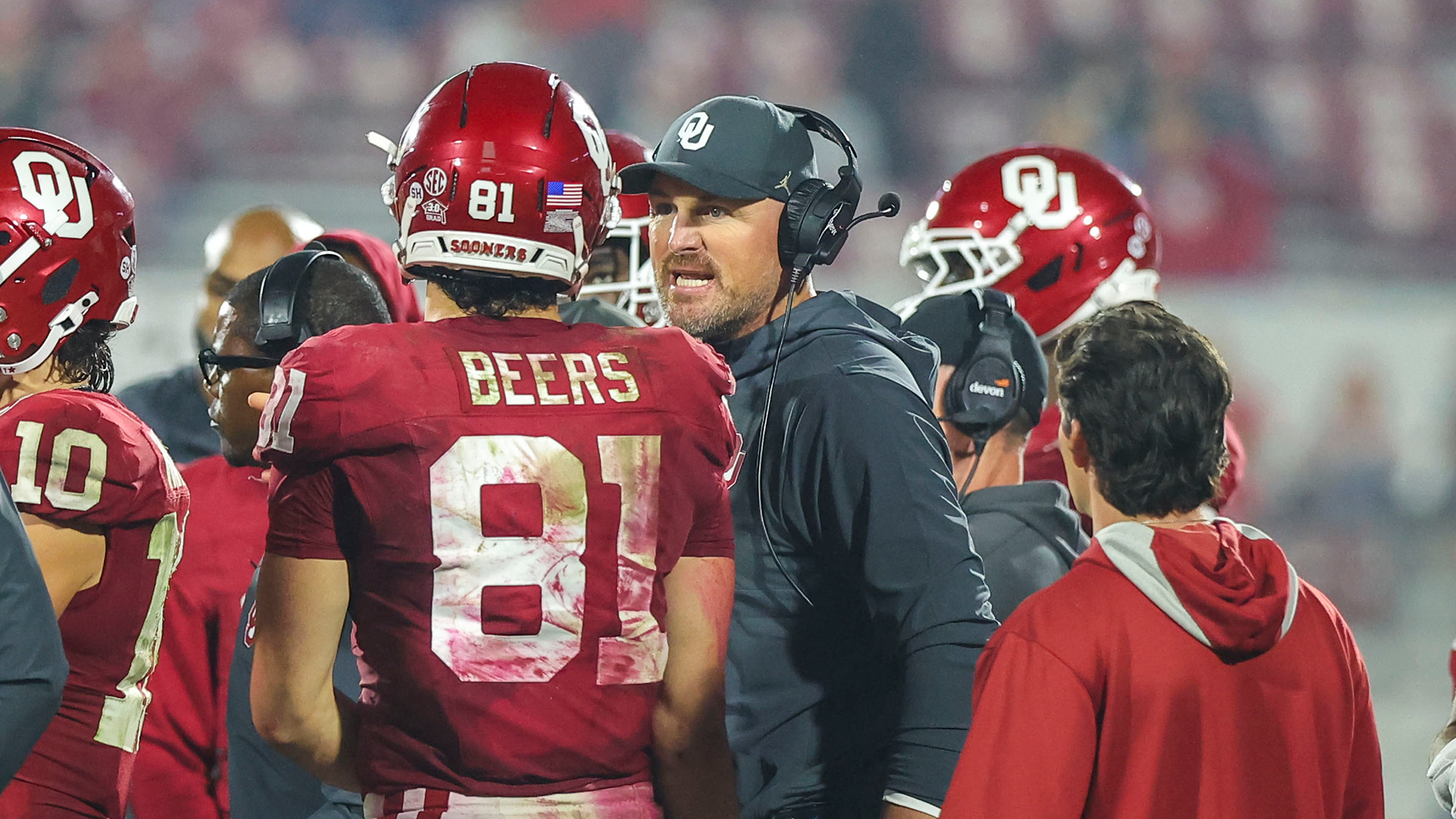
In a decisive move to address a struggling program, Oklahoma University has reportedly parted ways with offensive coordinator Ben Arbuckle. The decision marks a significant pivot for the Sooners, who have found themselves in a precarious position following a 4-4 start to the season. This personnel change reflects the administration's urgency to overhaul the offensive scheme, which has failed to generate the high-volume scoring output traditionally associated with the program.
The statistical landscape surrounding the decision is stark. Currently, the Sooners rank No. 111 among all FBS teams in total offense, a metric that underscores the depth of the team's offensive struggles. With an average of only 22 points per game, the unit has been unable to sustain drives or capitalize on scoring opportunities, leading to a season that has fallen well short of expectations for a top-tier college football program.
While official statements from the athletic department may be forthcoming, the reported nature of the dismissal suggests an immediate operational shift. Coaches and players are now expected to adapt to new play-calling dynamics and strategic adjustments. The move places the onus on the remaining coaching staff to quickly integrate new ideas and restore confidence in the roster, aiming to turn the tide before the season concludes.
In-Depth Analysis & Key Details
The decision to replace Arbuckle is not merely a reaction to a single season but a reflection of the broader structural challenges facing college football programs in an era of heightened competition. Historically, Oklahoma has been a cornerstone of the sport, but the shifting dynamics of the Big 12 and the increasing parity among FBS teams have made it more difficult to maintain dominance. The mid-season change in offensive leadership is a high-stakes gamble, as it risks disrupting team chemistry while attempting to inject a new tactical perspective.
From a competitive standpoint, the move highlights the intense pressure on coaches to deliver immediate results. The 22-point per game average is a critical metric that has likely triggered internal reviews and strategic reassessments. Competing programs within the conference have capitalized on these inconsistencies, further intensifying the need for a rapid turnaround. The debate surrounding the efficacy of mid-season coaching changes adds another layer of complexity, as some argue that stability is more valuable than a fresh start, while others believe that a new voice is essential to break through offensive stagnation.
Expert analysis suggests that the success of this transition will depend on the ability of the incoming coordinator to quickly understand the roster's strengths and weaknesses. The technical intricacies of modern offensive schemes, which require precise execution and adaptability, mean that any new strategy must be seamlessly integrated into the existing framework. The coming weeks will be crucial in determining whether this personnel change yields the desired results or if it becomes a source of further disruption.
"The dismissal of Ben Arbuckle is a stark reminder that in college football, the margin for error is razor-thin, and the pressure to perform is relentless."
Why This Matters & What Lies Ahead
For fans and stakeholders, this move has immediate implications for the team's trajectory and the broader landscape of college football. The Sooners' ability to rebound will influence not only their season-long performance but also their reputation in the recruiting world. A successful turnaround could restore confidence in the program's long-term viability, while a continued struggle may lead to further scrutiny and potential changes in other areas of the organization.
Looking ahead, the next few games will be critical in assessing the effectiveness of the new offensive strategy. Key milestones include the team's ability to improve its scoring average and climb the FBS rankings. Additionally, the decision may set a precedent for how other programs approach mid-season coaching changes, potentially influencing future personnel decisions across the league. Stakeholders should closely monitor the team's performance in upcoming matches to gauge the impact of this significant shift in leadership.
Source: Reported by Yahoo Sports · Analyzed & Synthesized by DNB Newsroom