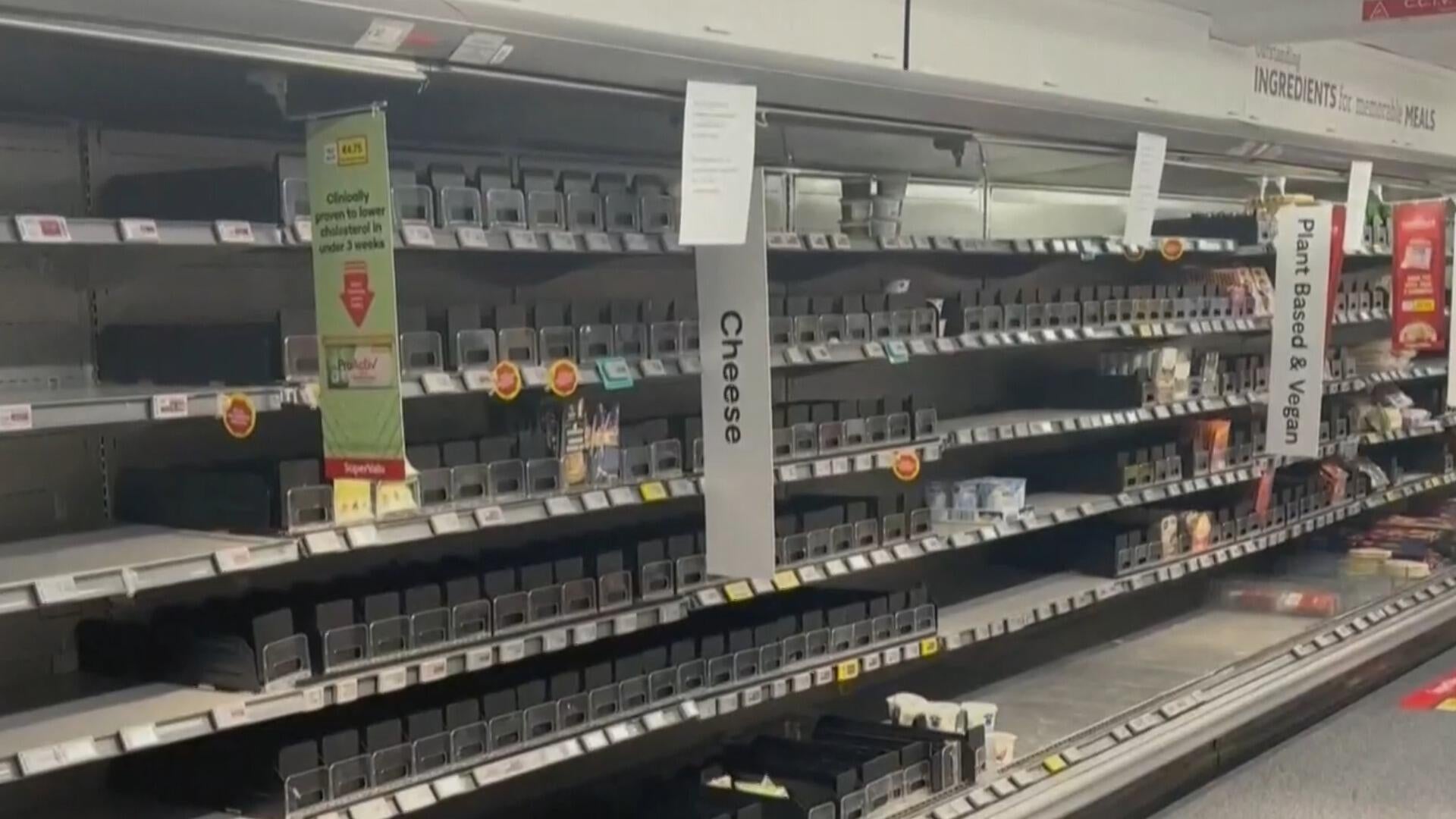
On Tuesday morning, major grocery retailers in California, Texas and New York announced that ransomware encrypted point‑of‑sale systems, halting checkout operations and compromising customer data. Simultaneously, water‑treatment plants in Ohio, Indiana and Missouri detected anomalous command‑and‑control traffic, prompting operators to revert to manual controls and issue boil‑water notices to affected neighborhoods. The coordinated timing suggests a concerted campaign aimed at disrupting everyday services and sowing panic.
Federal agencies, including the Cybersecurity and Infrastructure Security Agency (CISA) and the FBI, convened an emergency briefing in Washington, D.C., to share threat intelligence and coordinate response. CISA Director Jen Easterly warned that the attacks represent “the most sophisticated multi‑vector assault on civilian infrastructure in recent memory,” and pledged federal resources to assist state and local officials. Retail executives, while urging calm, emphasized that customer data remains encrypted and that remediation efforts are underway.
In-Depth Analysis & Key Details
The current wave builds on a decade‑long escalation of state‑sponsored and financially motivated cybercrime targeting supply‑chain and utility sectors. Earlier incidents, such as the 2021 Colonial Pipeline shutdown and the 2023 ransomware strike on a major pharmacy chain, exposed systemic gaps in legacy control systems that rely on outdated authentication protocols. Analysts note that the present attackers exploit similar vulnerabilities—default credentials and unpatched remote‑desktop services—to gain footholds before deploying encryption payloads.
Regulatory response is fragmenting along partisan lines. While Senate Democrats push for mandatory cyber‑risk assessments for all critical‑infrastructure operators, some Republican lawmakers argue that prescriptive mandates could stifle innovation and impose undue costs on small municipalities. Industry groups, meanwhile, lobby for a federal cyber‑insurance pool to offset losses. Experts predict that the ensuing policy debate will shape the next iteration of the Cybersecurity Act, potentially mandating real‑time reporting of breaches to a centralized national database.
"We are witnessing a paradigm shift where cyber‑attackers treat grocery aisles and water pipes as interchangeable targets, forcing a reevaluation of what constitutes essential public service."
Why This Matters & What Lies Ahead
For consumers, the immediate fallout includes disrupted access to food staples, delayed grocery deliveries and heightened concerns over personal data exposure. The water‑system breaches, though contained, have eroded trust in municipal safeguards, prompting households to invest in home filtration and backup supplies—behaviors that ripple through retail and health sectors.
Legislators are poised to convene a joint hearing on cyber‑resilience next month, where the Department of Justice will outline criminal charges against identified actors and the Federal Energy Regulatory Commission will discuss updated standards for industrial control systems. The outcomes of these deliberations will determine funding allocations, liability frameworks, and the speed at which vulnerable infrastructure can be modernized to withstand future digital assaults.
Source: Reported by CBS News · Analyzed & Synthesized by DNB Newsroom