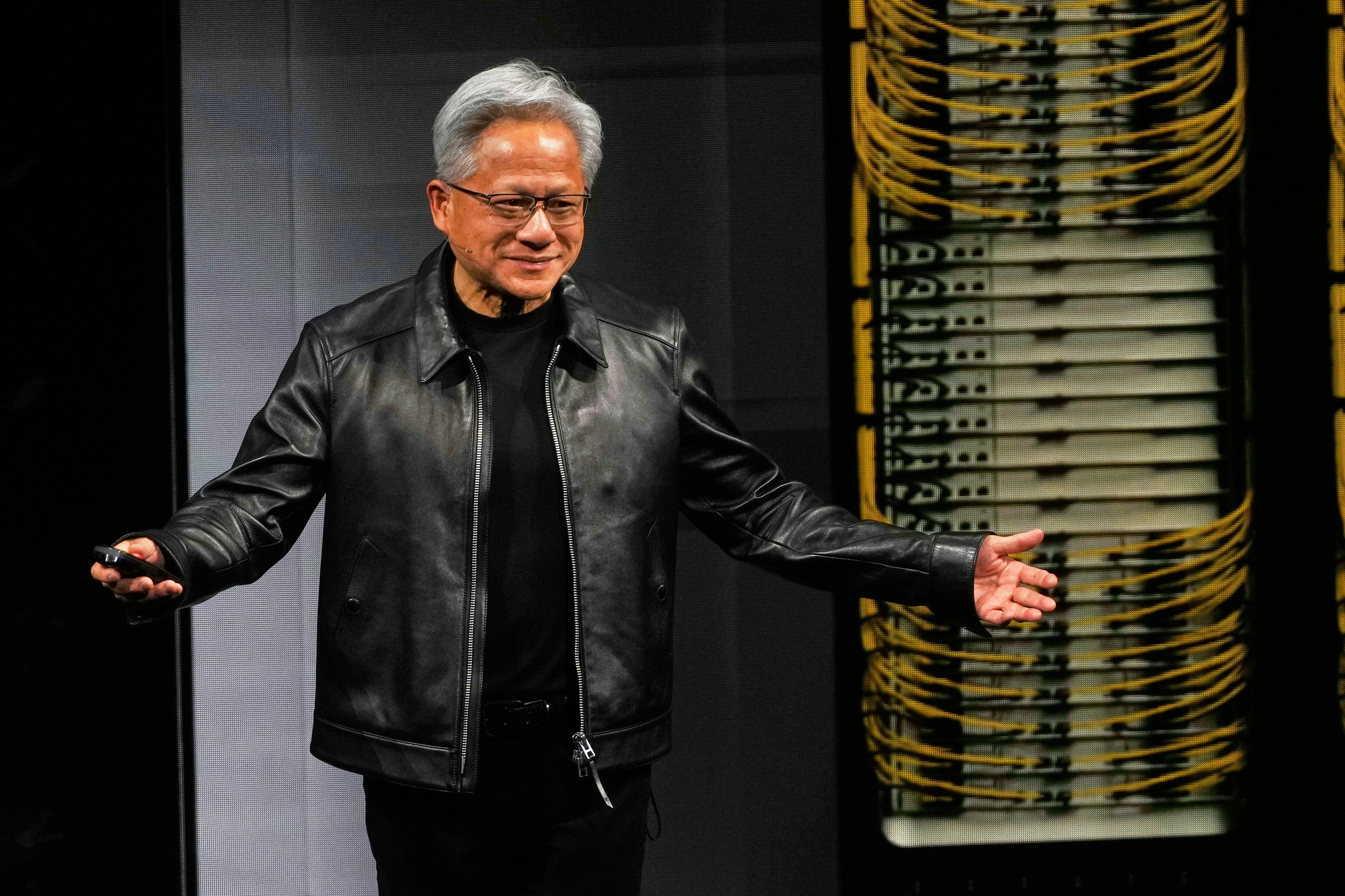
In a significant escalation of the ongoing technological standoff between the United States and China, Nvidia Corporation announced that it has launched a comprehensive internal inquiry into allegations of espionage targeting its leadership. The decision follows a detailed report by The New York Times, which claimed that Chinese intelligence agencies had specifically identified CEO Jensen Huang as a primary target for recruitment or coercion attempts. By confirming the existence of this probe, Nvidia has moved beyond standard corporate security posturing, signaling that the threat level has crossed a threshold requiring formal institutional response and potential legal engagement.
The context of this investigation is deeply rooted in the strategic importance of Nvidia’s high-performance graphics processing units (GPUs), which are essential for artificial intelligence development and military applications. As the world’s most valuable chipmaker, Nvidia sits at the epicenter of a geopolitical contest where the flow of advanced computing power is treated as a national security asset. The geographical and operational focus of the alleged operation suggests that foreign state actors are employing human intelligence (HUMINT) methods to gain leverage over key decision-makers who can influence the trajectory of US-China tech relations.
Nvidia’s official communication was measured but firm, stating that the company takes all security matters seriously and is cooperating with relevant authorities as appropriate. Stakeholders, including investors and government officials, are closely monitoring the situation, as any confirmation of foreign interference could trigger broader security reviews of Nvidia’s supply chain and partnerships. The incident serves as a stark reminder that the battle for technological supremacy is no longer confined to data centers and server rooms but has extended to the personal security and professional integrity of corporate executives.
In-Depth Analysis & Key Details
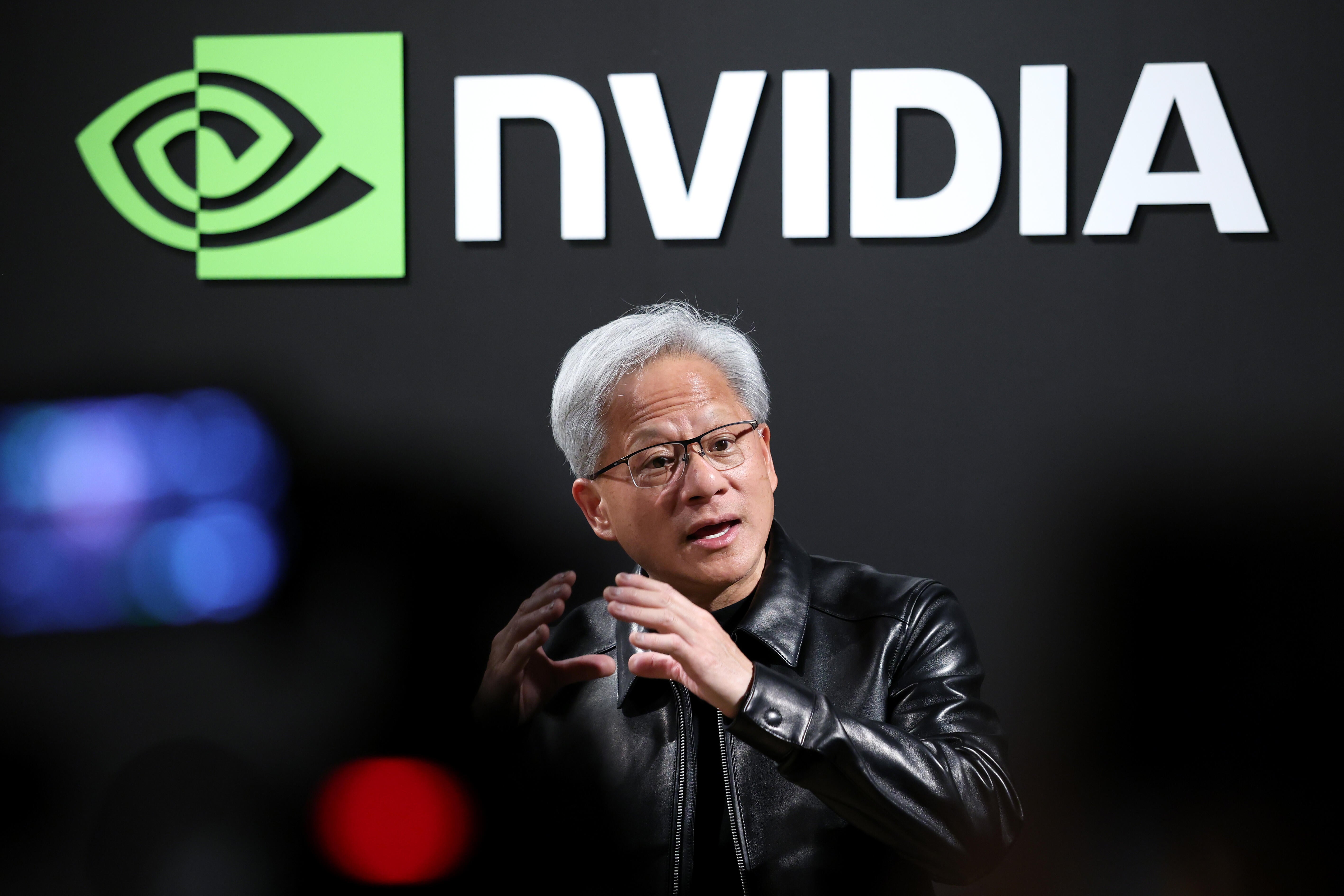
The historical backdrop of this incident reveals a long-standing pattern of Chinese state-sponsored economic espionage, which has evolved from simple data theft to more complex efforts to influence corporate strategy and personnel. Previous cases involving other semiconductor firms have shown that intelligence agencies often target key employees to gather insights into R&D pipelines and competitive advantages. The focus on Jensen Huang, a figure who has become a symbol of American innovation in AI, suggests that Beijing views him not just as a business leader but as a strategic node in the US tech ecosystem. This shift indicates a maturation of foreign intelligence capabilities, capable of operating with high precision against high-profile targets.
From a regulatory perspective, this event is likely to fuel debates within the US Congress regarding the adequacy of current protections for critical infrastructure and key personnel. Lawmakers may push for stricter reporting requirements for major tech firms regarding foreign contact and espionage attempts. Furthermore, the incident complicates the already fraught relationship between US export control policies and commercial interests. If the investigation reveals any breach of security or compromise of confidential information, it could lead to increased restrictions on Nvidia’s operations or partnerships, further tightening the noose around cross-border tech collaboration.
Experts in national security and corporate risk management note that this case highlights the blurred lines between commercial competition and state-sponsored aggression. The technical intricacies of AI development mean that even small leaks or influences can have disproportionate impacts on national security. The industry is now forced to consider whether standard corporate security measures are sufficient to counter state-level threats, potentially leading to a new era of heightened vigilance and investment in executive protection and cybersecurity for the tech sector.
"The targeting of a corporate CEO by a foreign intelligence service marks a chilling new frontier in the US-China tech war, where human capital is the ultimate battleground."
Why This Matters & What Lies Ahead
For everyday readers and investors, this development underscores the fragility of the global tech supply chain and the personal risks faced by leaders in critical industries. It raises concerns about the integrity of products and services developed under potential foreign influence, which could have far-reaching implications for consumer trust and national security. The financial markets are likely to react with increased volatility, as investors reassess the risks associated with companies operating in geopolitically sensitive sectors. This incident may also lead to a reevaluation of corporate governance standards, with boards of directors being held to higher accountability for protecting their executives and assets from foreign threats.
In the coming weeks, key milestones to watch include the outcome of Nvidia’s internal investigation, any potential referrals to federal law enforcement, and legislative responses from the US Congress. Lawmakers may introduce new bills aimed at strengthening protections for critical tech personnel and enhancing transparency regarding foreign contacts. Additionally, the US Department of Commerce may review existing export control regulations to ensure they adequately address the threat of human intelligence operations. These developments will be closely monitored by both industry players and policymakers as they seek to navigate the complex intersection of technology, security, and geopolitics.
Source: Reported by NPR · Analyzed & Synthesized by DNB Newsroom