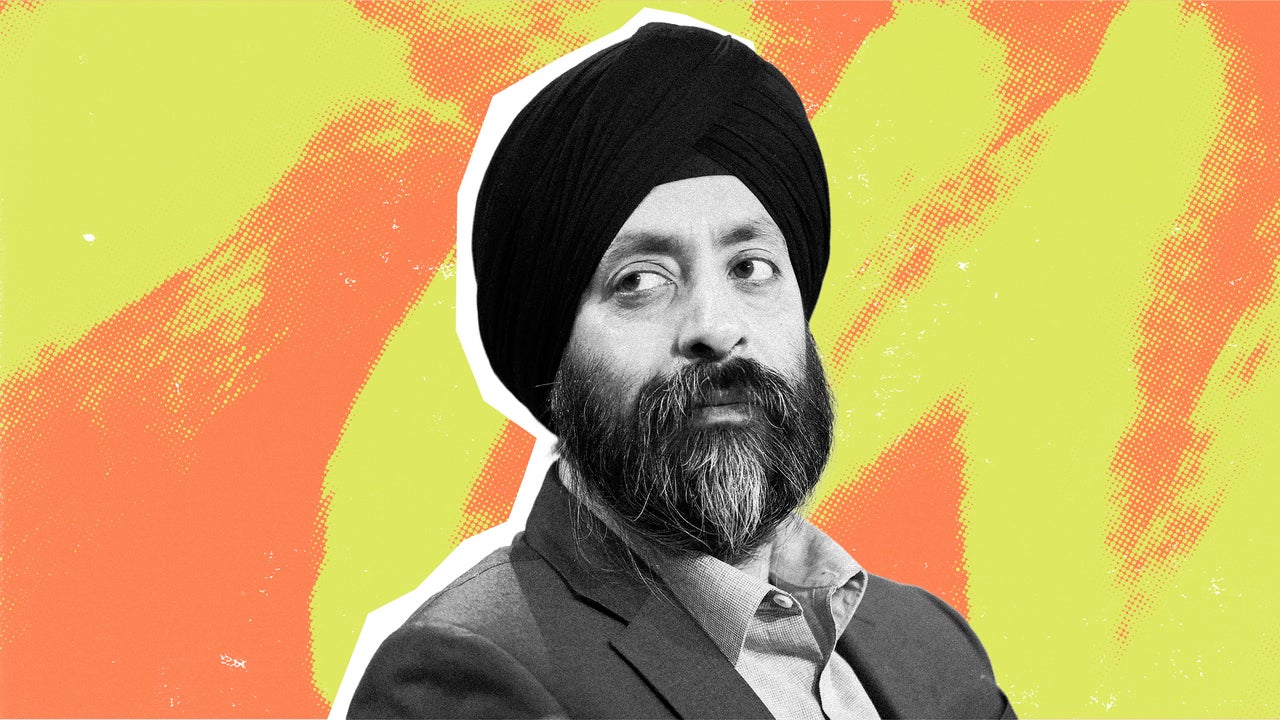
On Tuesday, Aman Bhutani, the CEO of GoDaddy, told Business Insider that he will refuse to read any report he believes is written by AI, citing a lack of human thought behind such documents. The remark was made during a routine earnings call in Austin, Texas, where the company reported a 4% increase in revenue for the quarter.
The decision follows a wave of high‑profile incidents where AI‑generated content has slipped through editorial gates, raising questions about authenticity and bias. GoDaddy’s internal audit team had recently flagged a draft marketing brief that was produced by a language model, prompting the CEO’s statement.
Bhutani said, "If I can tell pretty quickly it was written by AI, I don’t read it," and added that the company will implement a new verification protocol to detect machine‑generated text. Shareholders reacted with a muted 0.3% dip in the stock price, while analysts noted the move could set a precedent for the industry.
In-Depth Analysis & Key Details
The rise of generative AI has disrupted traditional content workflows, prompting executives to question the integrity of machine‑produced material. Historically, firms have relied on automated tools for efficiency, but recent scandals—such as fabricated press releases—have highlighted the risks of unchecked AI output.
Regulators in the U.S. and EU are now drafting guidelines that require disclosure of AI authorship in business documents, a move that could enforce Bhutani’s policy across sectors. Meanwhile, competitors like Shopify and Squarespace have announced internal AI‑usage guidelines, sparking a debate over whether such restrictions hamper innovation or safeguard stakeholder trust.
Industry experts warn that the balance between speed and accuracy will become a core battleground. Dr. Elena Morales, a professor of AI ethics at MIT, notes that human oversight is essential, but also cautions that overly stringent filters could stifle legitimate AI benefits in data analysis and customer service.
"AI may accelerate output, but without human insight, it risks becoming a hollow echo chamber."
Why This Matters & What Lies Ahead
For everyday consumers, the decision means that the content they see on GoDaddy’s platforms—such as website templates, marketing materials, and support documentation—will be vetted for authenticity, reducing the risk of misinformation. On a global scale, the move could influence supply chains in the digital services sector, as vendors reassess their own AI practices to align with client expectations.
Key milestones to watch include the U.S. Federal Trade Commission’s upcoming AI disclosure rule scheduled for release in early 2025, and a scheduled shareholder meeting in March where GoDaddy will discuss its AI governance framework. Industry analysts predict that firms adopting similar policies could see a measurable impact on investor confidence and market valuation.
Source: Reported by Fast Company · Analyzed & Synthesized by DNB Newsroom