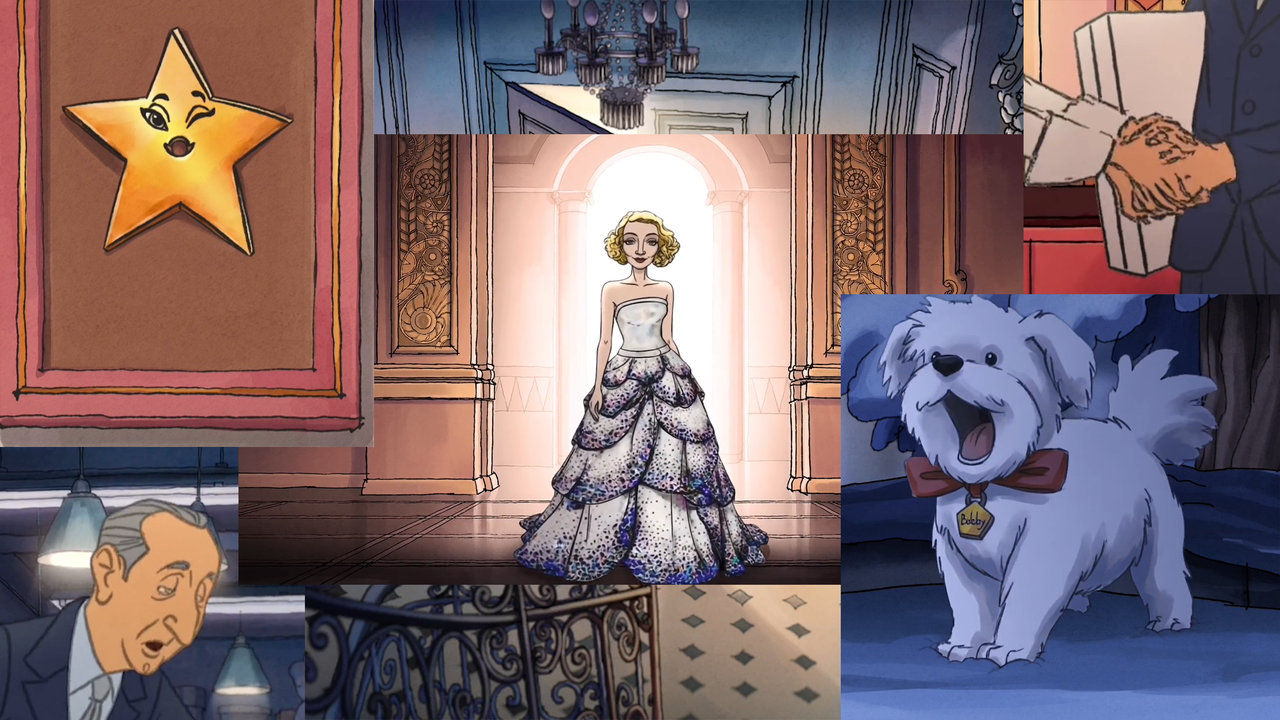
On December 5, 2024, Christian Dior released a new holiday commercial titled “Night in Color,” featuring a whimsical Parisian tableau populated by talking animals and a nod to the historic friendship between Dior and actress Marlene Dietrich. The 60‑second film was produced in collaboration with acclaimed French animator Sylvain Chomet, whose hand‑drawn style was blended with generative‑AI tools to enhance textures and lighting.
The advertisement premiered across television, digital platforms and Dior’s flagship stores in Paris, drawing immediate attention from both consumers and industry watchdogs. While viewers praised the visual splendor, several artist unions and AI ethicists flagged the lack of transparent disclosure about the AI components, arguing that the technique could set a precedent for uncredited machine‑generated art.
In response, Dior’s chief communications officer, Amélie Laurent, issued a statement emphasizing the brand’s commitment to artistic integrity, noting that “human creativity guided every frame, with AI serving only as a technical assistant.” The French Advertising Standards Authority (ARPP) confirmed it would examine the spot for compliance with emerging AI‑labeling guidelines, and several European copyright groups have signaled intent to file formal inquiries.
In-Depth Analysis & Key Details
The controversy echoes earlier disputes over AI‑generated music and visual art, where creators have grappled with the blurred line between tool and co‑author. In the European Union, the recent AI Act and the revised Copyright Directive mandate clear attribution when machine‑learning outputs are used commercially, a framework still being interpreted by courts and regulators.
Fashion houses have traditionally relied on handcrafted photography and bespoke illustration, but the pressure to produce high‑velocity content for global holiday markets has spurred experimentation with generative models. Critics argue that AI can erode the value of skilled artisans, while proponents claim it democratizes production and reduces costs. The Dior case highlights a tension between preserving heritage craftsmanship and embracing efficiency‑driven technology.
Experts from the Centre for Digital Media Ethics note that the lack of standardized disclosure protocols creates legal uncertainty. “When a brand like Dior leverages AI without clear labeling, it not only challenges copyright law but also risks consumer trust,” says Dr. Lina Kovács, a media‑law scholar at the University of Paris. Her research suggests that transparent AI usage could become a competitive differentiator as audiences become more savvy about digital manipulation.
"Dior’s blend of hand‑drawn artistry with AI‑enhanced imagery forces the fashion world to confront a new frontier where creativity and algorithm collide."
Why This Matters & What Lies Ahead
For consumers, the dispute raises questions about authenticity in the visual narratives that shape purchasing decisions, especially during high‑spend periods like the holidays. If AI‑generated elements become commonplace without disclosure, shoppers may find it harder to assess the true craftsmanship behind a product, potentially eroding brand loyalty.
Legislators and regulators are watching the case closely, as it could inform forthcoming amendments to the EU’s AI Act and influence similar debates in the United States Congress. Upcoming hearings scheduled for March 2025 will examine the need for mandatory AI attribution in advertising, and the outcome could dictate how luxury brands allocate creative resources and protect intellectual property in the next decade.
Source: Reported by Fast Company · Analyzed & Synthesized by DNB Newsroom