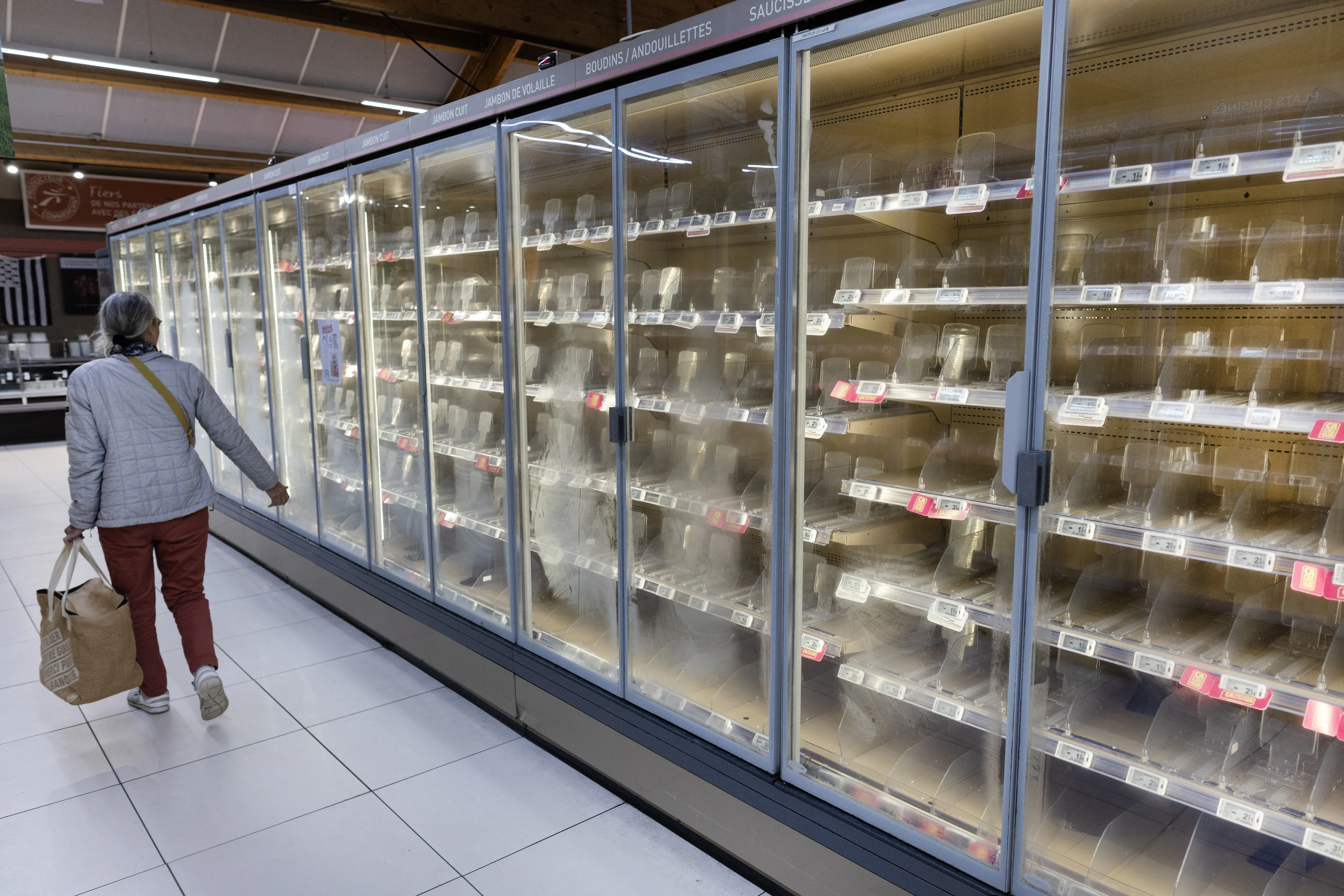
The French government has officially accused Iranian state-sponsored cyber units of orchestrating a sophisticated sabotage campaign against the nation's retail sector. According to official disclosures, the attack, which took place over the course of last month, involved the unauthorized access and manipulation of refrigeration control systems across a vast network of grocery stores and supermarkets. This attribution marks a rare public confirmation of a specific foreign state's involvement in a cyber operation designed to cause tangible, physical damage to civilian assets rather than merely exfiltrating data. The identification of the perpetrators as military hackers from Iran elevates the incident from a standard criminal hacking case to a matter of national security and international diplomatic tension.
The operational scope of the intrusion was extensive, affecting approximately 700 distinct retail locations across France. The attackers did not simply disable the systems; instead, they executed a precise manipulation of the temperature settings, raising the internal climate of freezers and refrigerators in the middle of the night. This timing was strategically chosen to maximize the duration of exposure to unsafe temperatures, ensuring that perishable items such as dairy, meat, and frozen goods would spoil before store employees could detect the anomaly during morning inventory checks. The scale of the disruption required a coordinated effort, suggesting a well-resourced and technically advanced adversary capable of maintaining persistent access to multiple, geographically dispersed targets simultaneously.
In response to the incident, French officials released detailed technical assessments that corroborate the Iranian origin of the malicious code. The government emphasized that the attack was not an isolated glitch but a deliberate act of cyber-sabotage intended to inflict economic harm and erode public confidence in the reliability of essential infrastructure. Retailers affected by the breach have reported significant financial losses, with the cumulative value of spoiled inventory estimated in the millions of dollars. Industry leaders have expressed concern over the vulnerability of their operational technology stacks, which often rely on legacy systems that are less secure than their IT counterparts, urging a rapid review of cybersecurity protocols across the sector.
In-Depth Analysis & Key Details
This incident fits into a broader historical pattern of state actors expanding their cyber arsenals to include 'gray zone' operations that fall below the threshold of conventional war but above the level of standard cybercrime. Iran has been increasingly active in the cyber domain, often targeting Western nations with attacks that aim to disrupt services, steal intellectual property, or cause physical damage. The shift from data theft to physical sabotage represents a significant evolution in cyber warfare doctrine, where the goal is to create tangible, visible consequences that resonate with the general public. By targeting refrigeration systems, the attackers exploited a critical intersection between information technology and physical reality, demonstrating that digital intrusions can have immediate, material impacts on the environment and the economy.
The regulatory and geopolitical implications of this attack are substantial. It highlights the urgent need for updated cybersecurity standards that specifically address operational technology (OT) in critical infrastructure sectors, including retail, energy, and healthcare. Current regulations often focus heavily on data privacy and IT network security, leaving OT systems, which control physical processes, relatively underprotected. This gap has been exploited by sophisticated adversaries who understand that disrupting physical operations can be more disruptive and damaging than stealing data. Furthermore, the incident complicates diplomatic relations between France and Iran, potentially leading to retaliatory measures or increased international pressure on Tehran to curb its cyber activities. The economic consequences extend beyond the immediate losses of spoiled goods, as they may lead to higher insurance premiums, increased costs for cybersecurity upgrades, and potential supply chain disruptions if retailers become more cautious in their sourcing and inventory management practices.
From a technical perspective, the attack underscores the vulnerabilities inherent in IoT (Internet of Things) devices and connected industrial controls. Many refrigeration units in retail environments are connected to cloud-based management platforms that allow for remote monitoring and control. If these connections are not properly secured with strong authentication, encryption, and network segmentation, they become easy targets for attackers. The incident serves as a stark reminder that the convergence of IT and OT creates new attack surfaces that require specialized expertise and robust defensive measures. Experts in cybersecurity are calling for a paradigm shift in how organizations approach the security of their physical infrastructure, emphasizing the need for continuous monitoring, rapid incident response capabilities, and resilience planning to mitigate the impact of such coordinated attacks.
"The targeting of refrigeration systems marks a chilling shift in cyber warfare, where the battlefield is no longer just the server room, but the freezer aisle, turning digital code into physical waste and economic loss."
Why This Matters & What Lies Ahead
For everyday consumers and businesses, this incident raises serious concerns about the security and reliability of the infrastructure that supports daily life. If cyber-attacks can cause widespread spoilage of food products, it could lead to higher prices, reduced availability of certain items, and a general sense of insecurity regarding the systems that manage essential services. The financial impact on retailers, who must absorb the cost of lost inventory and potential legal liabilities, could be significant, potentially leading to higher prices for consumers. Moreover, the incident highlights the fragility of modern supply chains, which are increasingly dependent on digital systems that are vulnerable to state-sponsored threats. This could have broader implications for food security and public health, especially if similar attacks were to target other critical infrastructure such as water treatment plants or power grids.
Looking ahead, several key developments will determine the long-term impact of this incident. Regulatory bodies are expected to review and update cybersecurity guidelines for critical infrastructure, potentially mandating stricter security requirements for OT systems. There may also be increased international cooperation to combat state-sponsored cyber-attacks, with France and other affected nations working together to share intelligence and coordinate responses. Additionally, the incident may lead to a surge in demand for cybersecurity services and technologies, creating new opportunities for the tech industry while also imposing higher costs on businesses. Upcoming parliamentary hearings and regulatory votes will be closely watched to see how policymakers respond to this new threat landscape, as the balance between national security, economic stability, and individual privacy will be a central focus of the debate.
Source: Reported by NPR · Analyzed & Synthesized by DNB Newsroom