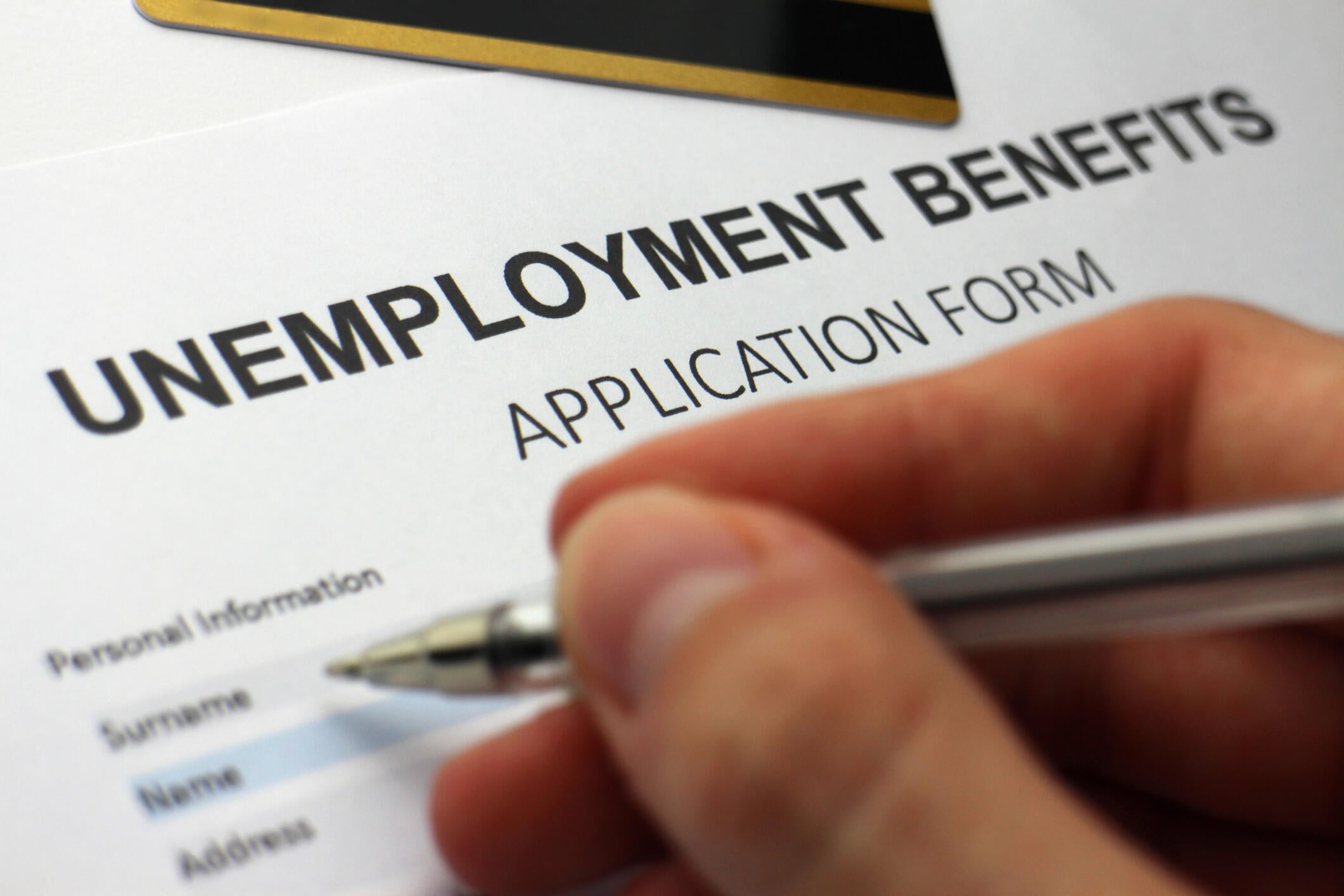
Washington – On Tuesday the Labor Department released a proposed rule that would compel anyone drawing unemployment insurance to record at least five bona‑fide job‑search activities each week, up from the current three‑search minimum under most state plans. The draft, slated for public comment through Dec. 15, would apply to new claims filed after the rule is finalized and would be enforced by state unemployment agencies that partner with the federal system.
The change would ripple through all 50 states, the District of Columbia and U.S. territories, many of which already operate their own eligibility criteria. Agencies would be required to modify online portals, train caseworkers, and develop verification protocols capable of handling the higher volume of documented searches. The administration estimates the transition will cost roughly $250 million, a figure that state officials say could strain already‑tight budgets.
Labor Secretary Marty Walsh described the measure as “a necessary step to encourage active job‑seeking and protect the integrity of the safety‑net.” Conversely, the National Employment Law Project warned that the rule could penalize low‑skill workers who lack reliable internet access or transportation, potentially driving them toward precarious gig work. Several governors have pledged to submit formal objections during the comment period.
In-Depth Analysis & Key Details
The current proposal marks the most aggressive tightening of unemployment eligibility since the 2008 financial crisis, when the federal government temporarily relaxed job‑search requirements to preserve consumer spending. At that time, the Department of Labor introduced a “flexible search” provision that allowed claimants to report fewer contacts if they faced barriers such as caregiving duties or limited local openings. Over the past decade, states have gradually restored stricter standards, but the new rule would codify a higher baseline nationwide.
Supporters argue that the policy will reduce fraud and incentivize faster re‑entry into the labor market, thereby easing the fiscal pressure on the unemployment insurance trust fund, which has projected a $10 billion shortfall by 2028. Critics counter that the rule ignores structural labor shortages in sectors like healthcare and technology, where qualified openings are scarce, and could exacerbate income inequality. Economists at the Brookings Institution note that while modest increases in job‑search activity can boost employment rates, overly punitive thresholds may discourage legitimate claimants from applying, leading to under‑reporting of unemployment.
Legal scholars point out that the rule raises constitutional questions about the federal government’s authority to dictate state‑level eligibility criteria. The Supreme Court’s 2020 decision in *Department of Labor v. Texas* upheld certain federal mandates over state programs, but the new rule’s emphasis on quantifiable search counts could trigger fresh litigation. Meanwhile, technology firms that provide job‑matching platforms are watching closely, as the rule may generate demand for automated tracking tools that verify applicant outreach.
"The crux of the debate is not whether job‑search requirements belong in unemployment policy, but how aggressively they should be enforced without marginalizing the most vulnerable workers."
Why This Matters & What Lies Ahead
For the average American filing a claim, the proposed rule translates into a tangible increase in daily effort: documenting five distinct applications per week means more time spent crafting resumes, navigating online portals, and making cold calls, all while potentially juggling childcare or health concerns. A longer‑term effect could be a shift in labor‑market dynamics, as employers may see a modest uptick in applicant pools, while workers risk falling into under‑the‑table arrangements if they cannot meet the heightened standards.
The rule will undergo a 60‑day public comment window ending Dec. 15, after which the Office of Management and Budget must review it for cost‑benefit compliance before the President can sign it into law. Congressional committees on labor and finance have signaled intent to hold hearings in early 2027, and several states have already filed motions to intervene, citing potential conflicts with state‑specific unemployment statutes. Stakeholders will be watching the outcome closely, as the final decision could set a precedent for future federal involvement in state‑administered benefit programs.
Source: Reported by CBS News · Analyzed & Synthesized by DNB Newsroom