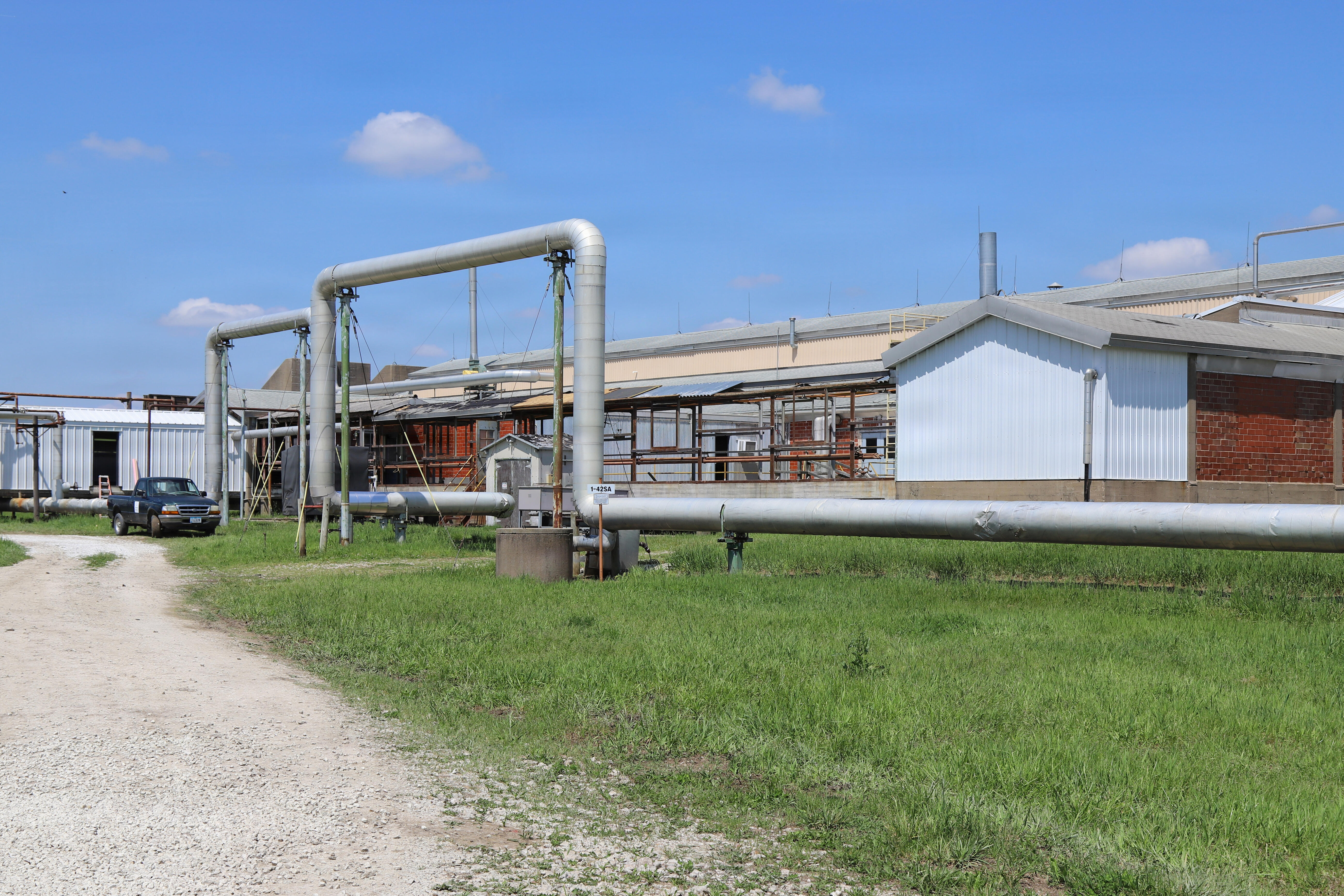
The U.S. Army’s long-planned operation to neutralize a cache of unstable explosives at a munitions facility in Iowa was abruptly halted on Friday when a federal court granted an indefinite stay. The judicial order directly blocks the scheduled detonation of approximately five tons of hazardous material, a move that had been meticulously prepared by military engineers and logistics teams. This legal intervention represents a significant pause in the Department of Defense’s efforts to manage legacy munitions, forcing a reassessment of the operational timeline and safety justifications previously presented to the court.
The site in question is a critical node in the nation’s munitions infrastructure, where the accumulation of unstable compounds has posed a persistent risk. The specific presence of lead azide within the explosives stockpile has drawn particular scrutiny, as the compound is not only highly sensitive to shock and heat but also toxic if released into the environment. The geographical context of the operation, situated near populated areas, has amplified the stakes, turning a standard military disposal task into a focal point for public safety debates in the region.
In response to the ruling, military officials have expressed concern that the delay increases the inherent risk of the unstable materials remaining in storage, as time can exacerbate their volatility. Conversely, legal representatives for the opposing parties have welcomed the decision, arguing that the Army had not sufficiently demonstrated that the detonation would not pose undue harm to local residents or the surrounding ecosystem. The immediate aftermath has seen a mobilization of both military and civilian stakeholders, each preparing for the next phase of legal and logistical negotiations.
In-Depth Analysis & Key Details
This legal standoff is rooted in a decades-long tension between military operational security and environmental regulation. The presence of lead azide in the explosives stockpile is a legacy of older manufacturing processes that are no longer used in modern munitions production. As the Army seeks to clear out these obsolete and dangerous materials, it frequently encounters regulatory hurdles designed to protect public health. The historical context of munitions disposal in Iowa reveals a pattern of community pushback against high-risk operations, driven by fears of toxic exposure and environmental contamination.
The competing perspectives in this case highlight a broader debate in the defense sector regarding the balance between risk management and regulatory compliance. The Army argues that indefinite storage of unstable explosives is itself a greater risk, as the compounds can degrade over time, making them more prone to accidental detonation. However, regulatory filings and environmental impact assessments indicate that the controlled detonation, while safer in the long term, carries immediate risks of air and soil contamination. Industry analysts observe that this case may set a precedent for how other legacy munitions sites across the country handle similar disposal challenges, potentially slowing down the clearance of hazardous stockpiles nationwide.
From a technical standpoint, the instability of the explosives is the central issue. Lead azide is a primary explosive that is extremely sensitive to friction and impact. The decision to detonate rather than transport or chemically neutralize the material was likely driven by the high risk of handling such a volatile compound. However, the court’s decision suggests that the technical risks of detonation were not adequately mitigated in the Army’s initial plan, or that the environmental safeguards were insufficient to satisfy judicial standards. This technical intricacy underscores the complexity of managing hazardous materials in a post-conflict or legacy context.
"The indefinite halt of the detonation underscores a critical juncture where military necessity collides with the judicial imperative to protect public health, forcing a reevaluation of how legacy hazards are managed in populated areas."
Why This Matters & What Lies Ahead
For residents of Iowa and surrounding regions, this court order has immediate implications for public health and environmental safety. The indefinite pause means that the potential for a controlled explosion, which could release toxic lead compounds into the air and soil, is temporarily averted. However, the continued presence of unstable explosives on-site also poses a latent risk, as the materials remain in a state of high volatility. Consumers and local businesses may experience disruptions or concerns related to potential future operations, while the broader community faces the uncertainty of a prolonged legal and logistical battle over the fate of these hazardous materials.
Looking ahead, several key milestones will determine the next steps in this case. The Department of Defense is expected to file a motion for reconsideration or a revised disposal plan that addresses the court’s concerns. Environmental agencies may also be called upon to provide additional assessments of the potential impact of detonation. Upcoming court dates will be crucial in determining whether the stay will be lifted, modified, or made permanent. Additionally, legislative bodies may review the case as part of broader discussions on military environmental responsibility and the management of legacy munitions, potentially leading to new regulations or funding allocations for safer disposal methods.
Source: Reported by CBS News · Analyzed & Synthesized by DNB Newsroom