In a decisive move that escalates the legal conflict surrounding the proposed 'Trump Arch,' a federal judge in Virginia has issued a preliminary injunction against the project's construction. This judicial action represents a step beyond the earlier temporary restraining order granted by a federal judge in Washington, D.C., which had only paused construction temporarily. The Virginia ruling suggests a deeper scrutiny of the project's legal and procedural foundations, signaling that the courts are increasingly skeptical of the administration's efforts to fast-track the monument's realization.
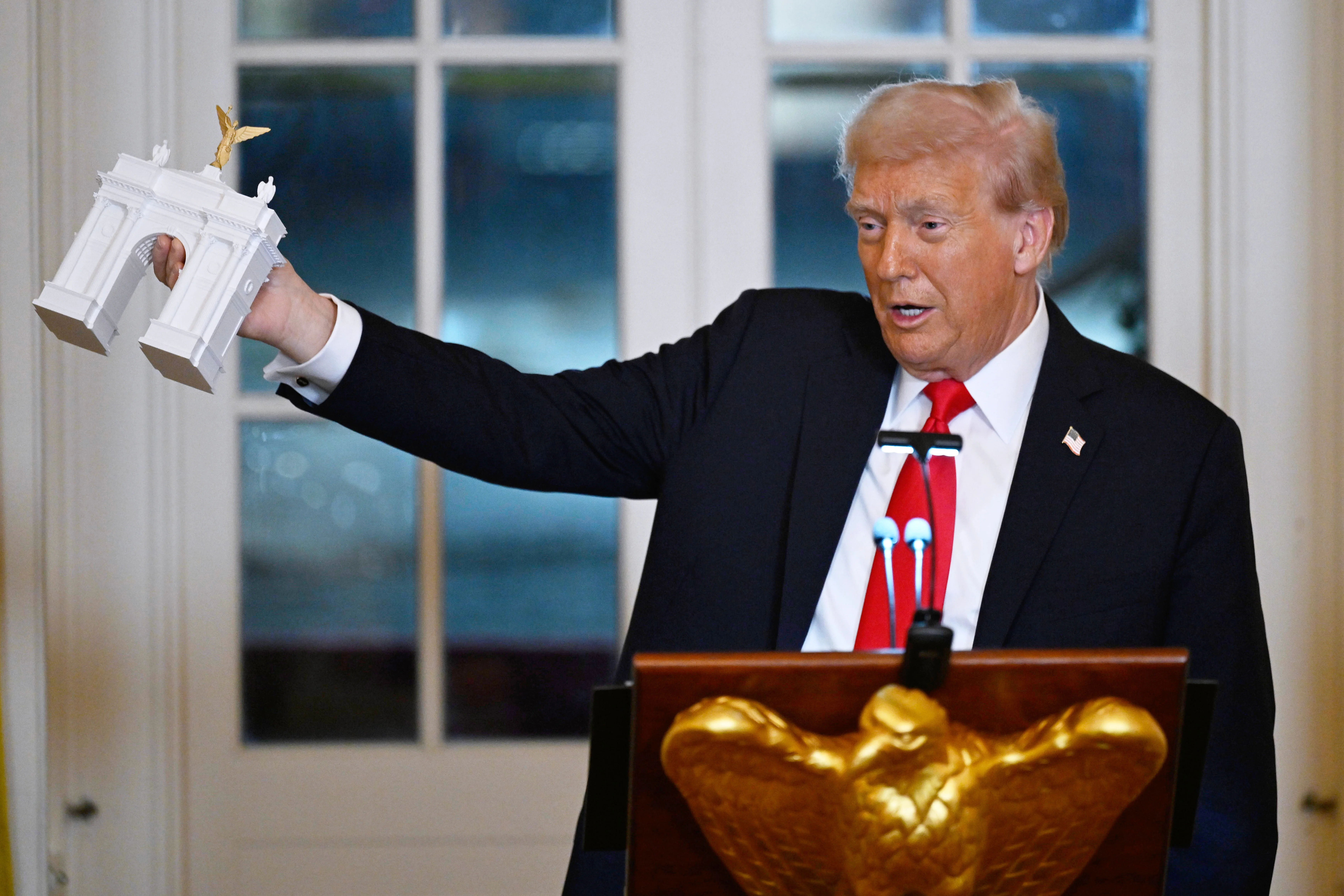
The Trump Arch, a proposed 160-foot granite structure intended to commemorate Donald Trump's presidency, has been the subject of intense controversy since its announcement. Located in Washington, D.C., the project was initially approved by the U.S. Commission of Fine Arts, a body that has faced criticism for its rapid and seemingly uncritical endorsement of the design. The legal challenges have focused on concerns regarding environmental impact, historical preservation, and the appropriate use of public funds for a political monument. The Virginia judge's decision to issue a preliminary injunction indicates that these concerns are being taken seriously at the federal level.
In her ruling, the judge stated that the plaintiff's claims were strong enough to warrant immediate relief, noting that the project was 'unlikely to succeed' in court. This language suggests that the judge found significant merit in the arguments that the arch's approval process was flawed and that it violated existing environmental and historical preservation laws. The ruling has been welcomed by critics of the project, who argue that it represents an inappropriate use of public resources for political purposes. Conversely, supporters of the arch have condemned the decision as an overreach by the judiciary, arguing that the project is a legitimate exercise of executive authority and a celebration of a significant period in American history.
In-Depth Analysis & Key Details
The legal battles surrounding the Trump Arch are part of a larger trend of judicial scrutiny of executive actions that involve the use of public funds and the alteration of historical landscapes. The rapid approval of the arch by the U.S. Commission of Fine Arts, a body that is supposed to provide independent oversight, has raised questions about the integrity of the process and the influence of political considerations. The fact that two different federal judges have now intervened in the case suggests that the legal vulnerabilities of the project are significant and that the courts are willing to step in to protect public interests.
The competing perspectives on the Trump Arch reflect broader tensions in American politics over the role of government in promoting political figures and the appropriate use of public spaces. Critics argue that the arch is a form of political propaganda that undermines the neutrality of government institutions, while supporters contend that it is a legitimate form of historical commemoration that reflects the will of the people. The legal and political debates around the arch are likely to continue, with potential implications for other projects that seek to use public funds for political purposes.
Industry analysts and legal experts note that the ruling in Virginia could set a precedent for future challenges to similar projects. The fact that the judge found the project 'unlikely to succeed' in court suggests that the legal basis for the arch is weak, and that the administration may face significant hurdles in trying to move forward with construction. The ruling also highlights the importance of proper environmental and historical reviews in the approval process, and suggests that future projects may need to undergo more rigorous scrutiny to avoid similar legal challenges.
"The judicial intervention in the Trump Arch case signals a growing recognition that the rapid approval of political monuments can undermine public trust in government institutions and the integrity of historical preservation efforts."
Why This Matters & What Lies Ahead
The ruling against the Trump Arch has significant implications for public policy and the use of public funds. It highlights the need for transparent and rigorous processes in the approval of large-scale public projects, particularly those that involve political figures. The decision also raises questions about the role of the judiciary in checking executive power and protecting public interests. For everyday readers, the case underscores the importance of civic engagement and the need to hold public officials accountable for their use of public resources.
In the coming weeks, the legal battle over the Trump Arch is likely to continue, with potential appeals and further judicial reviews. The outcome of the case could have broader implications for similar projects and the balance of power between the executive and judicial branches. Stakeholders, including legal experts, historians, and the public, will be watching closely to see how the courts navigate the complex legal and political issues surrounding the arch. The case also serves as a reminder of the ongoing debates over the role of government in shaping public memory and the importance of preserving historical sites for future generations.
Source: Reported by NPR · Analyzed & Synthesized by DNB Newsroom