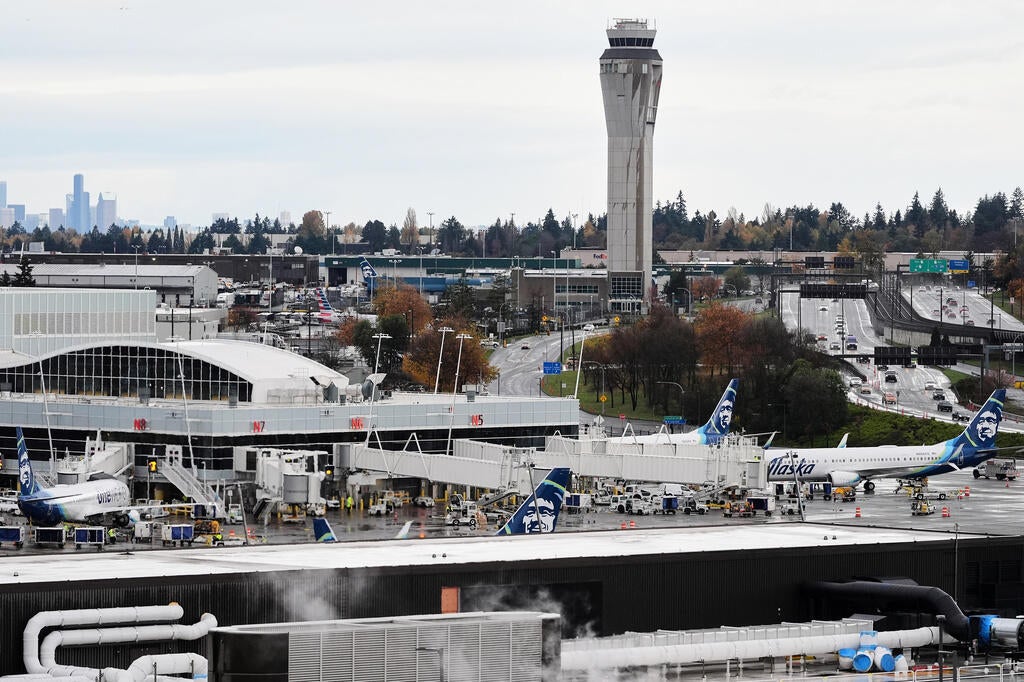
The Federal Aviation Administration announced a sweeping suspension of all scheduled commercial departures on March 12, citing systemic failures in critical navigation and communication equipment that jeopardized safety. The directive, issued by FAA Administrator Mike Whitaker, came after a series of internal warnings that highlighted chronic underperformance in contracts awarded to a handful of aerospace vendors.
The grounding unfolded across the United States, grounding aircraft at major airports from Atlanta to San Francisco and forcing airlines to cancel or reroute flights for a full 24‑hour period. Passengers were stranded in terminals while the agency mobilized technical teams to assess the extent of the equipment malfunctions, which originated from outdated radar and satellite‑based surveillance systems.
In a press briefing, Whitaker emphasized that the decision was taken to protect the traveling public and restore confidence in the nation’s air‑traffic network. He pledged a “rapid, transparent investigation” and urged Congress to allocate additional resources for the FAA’s ongoing modernization effort. Airline CEOs expressed frustration but welcomed the pause as a necessary step toward long‑term reliability.
In-Depth Analysis & Key Details
The current crisis can be traced to a procurement strategy adopted after the 2008 financial downturn, when the FAA sought to cut costs by awarding large, non‑competitive contracts to a limited pool of contractors. Audits conducted by the Office of Inspector General repeatedly warned that these contracts lacked competitive pressure, leading to cost overruns and delivery delays that accumulated to over $3 billion.
Competing perspectives have emerged: industry analysts argue that the FAA’s reliance on legacy technology left the system vulnerable to cascading failures, while aviation safety advocates contend that the agency’s procurement reforms were too slow to keep pace with rapid growth in air traffic. The economic fallout is already evident, as airlines report a sharp dip in revenue and a surge in compensation claims for disrupted passengers.
Regulatory filings indicate that the FAA’s emergency grounding triggered a cascade of contractual penalties for the vendors involved, potentially invoking breach‑of‑contract clauses worth hundreds of millions of dollars. Simultaneously, congressional committees have signaled intent to hold hearings on the agency’s procurement policies, with several lawmakers calling for a full overhaul of the federal acquisition process for critical infrastructure.
"The FAA’s pause is a stark reminder that cutting corners on procurement can erode the very safety nets that keep our skies secure."
Why This Matters & What Lies Ahead
For everyday travelers, the grounding highlighted how deeply intertwined modern air travel is with complex, often opaque, government contracts. Delays not only inconvenience passengers but also ripple through supply chains, affecting time‑critical shipments and business operations nationwide. Moreover, the financial hit to airlines could translate into higher ticket prices and reduced service frequencies if the sector seeks to recoup losses.
Looking ahead, the FAA faces a series of pivotal milestones: a Senate Commerce Committee hearing slated for June, a mandated report from the Office of Inspector General due by September, and a projected vote on a $10 billion modernization bill in the House by early 2025. Stakeholders will be watching closely to see whether the agency can implement transparent, competitive procurement practices while accelerating the rollout of satellite‑based navigation that promises to reduce delays and improve safety.
Source: Reported by CBS News · Analyzed & Synthesized by DNB Newsroom