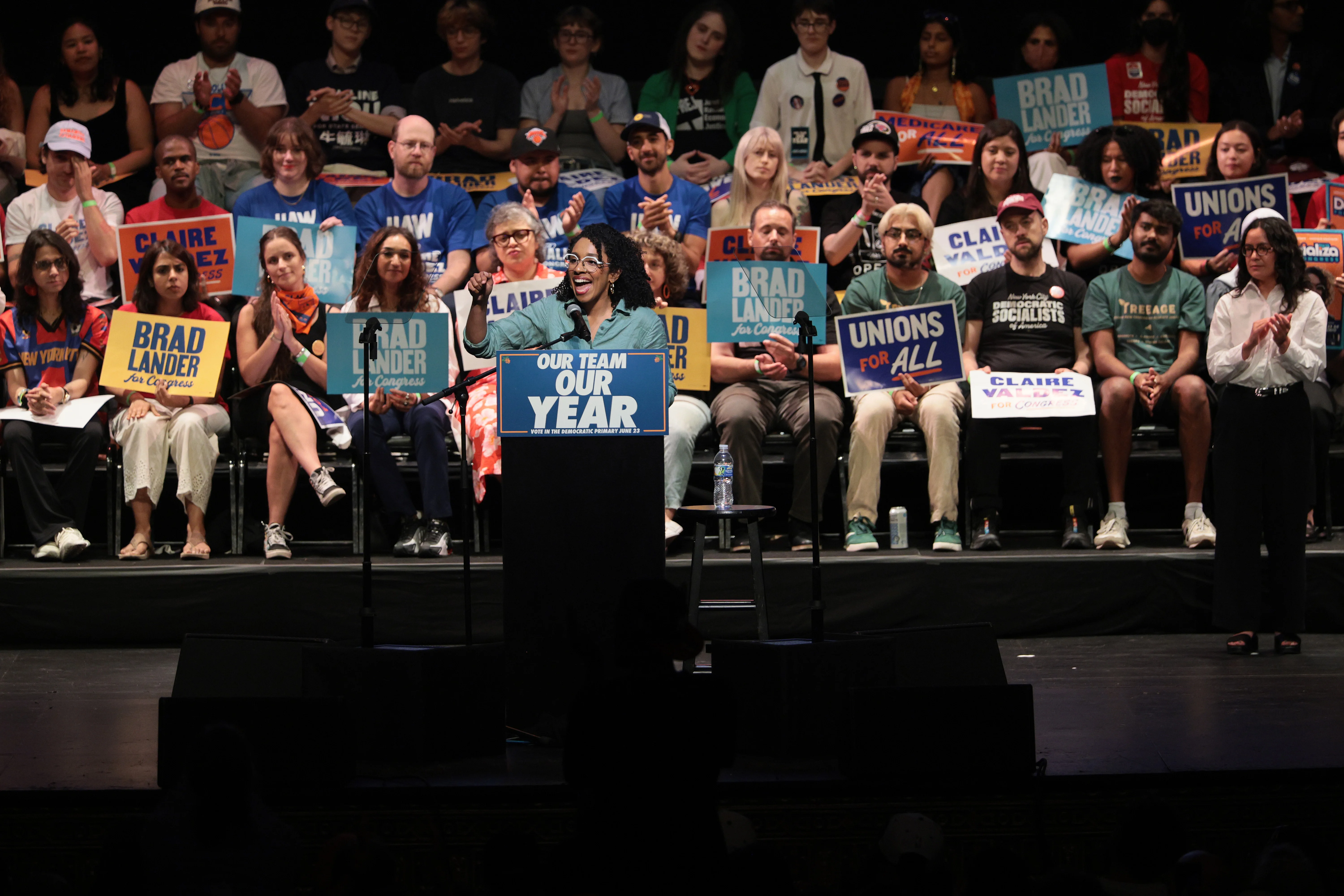
The political landscape of the U.S. House of Representatives has undergone a distinct ideological recalibration as five candidates endorsed by the Democratic Socialists of America (DSA) claimed victory in their respective districts. This outcome represents more than a simple seat count; it signifies a structural shift within the Democratic Party, where grassroots progressive movements have successfully converted organizational strength into legislative power. The elected officials, hailing from diverse geographic regions, share a unified commitment to systemic economic reform, setting the stage for a more confrontational dynamic with the party’s traditional establishment figures.
The electoral context for these victories was defined by intense local campaigning that focused less on national partisan branding and more on specific, high-stakes policy issues such as housing affordability, worker protections, and public health infrastructure. In several of the won districts, the margin of victory was narrow, indicating that the progressive surge was not a blanket national wave but a targeted mobilization of voters who felt underserved by the moderate center. This geographic specificity suggests that the DSA’s influence is strongest in urban and suburban areas with high concentrations of young and minority voters who are disillusioned with incrementalist politics.
Upon securing their mandates, the incoming representatives issued statements emphasizing their intent to use their platforms to challenge corporate power and expand the social safety net. Party leaders, while publicly congratulating the winners, have signaled a cautious approach to integrating these new voices into the broader legislative strategy. The immediate response from the Democratic leadership has been one of managed integration, acknowledging the need to balance progressive ambitions with the practicalities of governing in a polarized Congress. This tension between ideological purity and legislative pragmatism will define the early days of the new congressional term.
In-Depth Analysis & Key Details
The rise of DSA-backed candidates is not an isolated event but the culmination of a decade-long realignment within the American left. Historically, the Democratic Party’s left flank was dominated by labor unions and traditional liberal intellectuals; however, the post-2016 era saw the emergence of a new generation of activists who prioritize identity politics, environmental justice, and anti-capitalist critique. The structural forces at play include the fragmentation of traditional media, which has allowed alternative political narratives to bypass gatekeepers, and the increasing polarization of the electorate, which has made the center ground increasingly difficult to hold. This shift mirrors broader global trends where centrist parties are losing ground to both the far-right and the far-left, creating a volatile political environment.
From a regulatory and economic perspective, the influx of progressive lawmakers introduces new variables into policy debates. Competing perspectives within the caucus now center on the feasibility of ambitious proposals such as a Green New Deal or universal healthcare. Moderates argue that such policies are electorally risky and fiscally unsustainable, while progressives contend that they are necessary to address systemic inequalities that have persisted for decades. The economic consequences of this internal debate will be felt in legislative gridlock or breakthrough, depending on whether a coalition can be formed to pass meaningful reforms. The tension is further exacerbated by the influence of super PACs and corporate donors, who often fund moderate candidates to counterbalance progressive influence.
Expert analysts note that the DSA’s success is a testament to the effectiveness of grassroots organizing and digital mobilization. Unlike traditional political machines that rely on top-down fundraising, DSA-aligned campaigns have leveraged social media and local community networks to build broad-based support. This model challenges the conventional wisdom that political power requires massive financial resources. However, critics point out that translating electoral victory into legislative success is a different hurdle, particularly in a Congress where the majority party may hold only a slim margin. The ability of these new members to navigate committee processes and build bipartisan alliances will be the true test of their long-term impact.
"The election of five DSA-backed representatives marks the end of the era where ideological purity was a political liability; it is now a competitive advantage in a fractured electorate."
Why This Matters & What Lies Ahead
For everyday citizens, the shift toward a more progressive Democratic caucus could result in tangible changes to public services and economic protections. Voters who have struggled with rising healthcare costs, stagnant wages, and inadequate housing may see their concerns addressed through more aggressive legislative agendas. This development also signals to the private sector that the political risk associated with labor activism and environmental regulation is increasing, potentially influencing corporate strategies and investment decisions. The broader implication is a more dynamic and contentious political environment where policy debates are no longer confined to the margins but are central to national discourse.
In the coming months, key milestones to monitor include the selection of committee chairs, which will determine which progressive members have the power to shape legislation. Additionally, the first major legislative votes on healthcare and climate policy will serve as early indicators of the new caucus’s cohesion and effectiveness. Watch for potential leadership challenges within the Democratic Party as the balance of power shifts, and note any strategic adjustments by Republican opponents who may seek to exploit intra-party divisions. The coming legislative session will be a critical test of whether the progressive surge can be sustained and translated into durable policy changes.
Source: Reported by NPR · Analyzed & Synthesized by DNB Newsroom