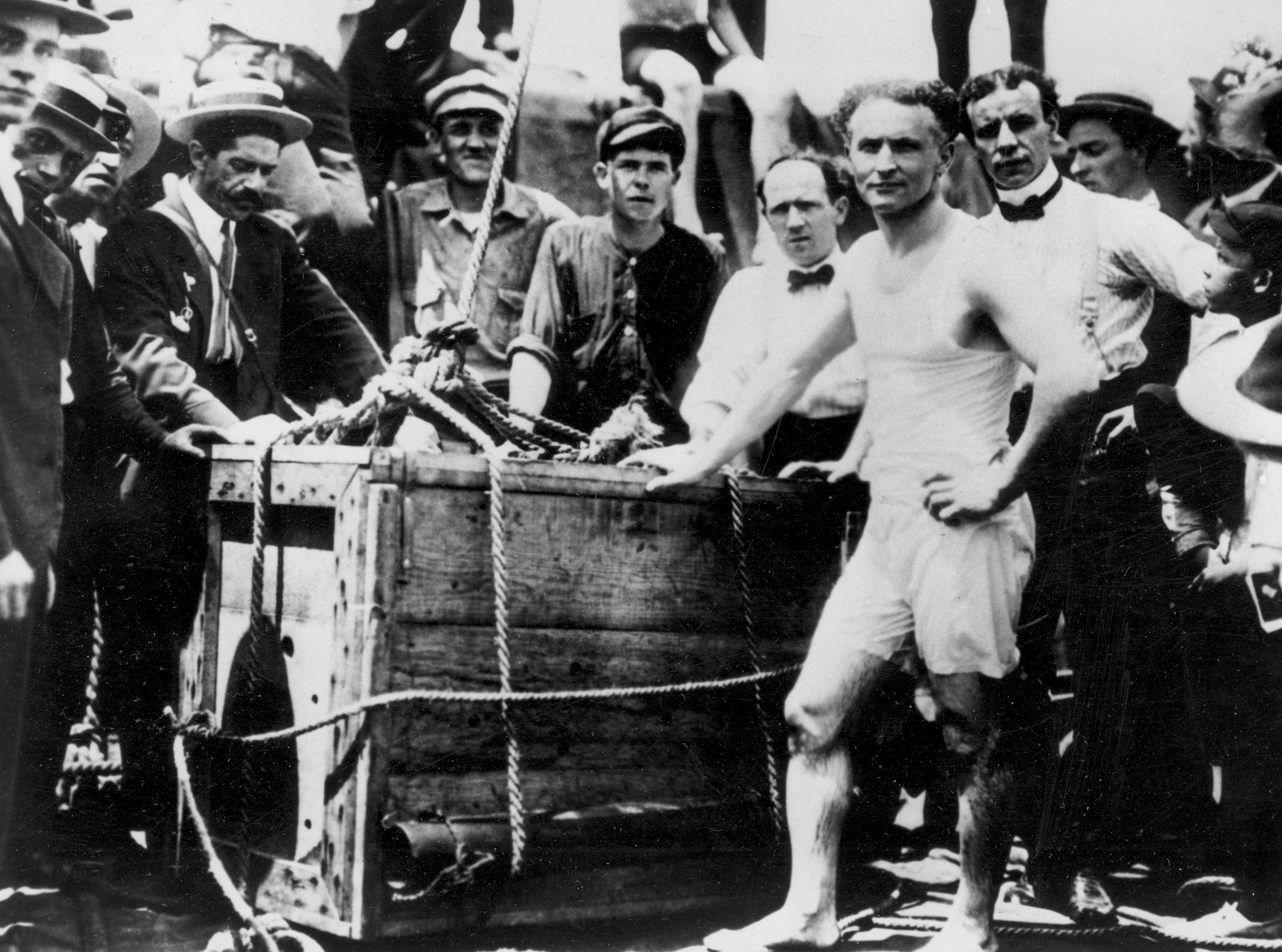
On October 31, Detroit hosted a weekend of tributes to Harry Houdini, the legendary illusionist who died in the city a century ago, drawing crowds of magicians, scholars, and curious onlookers.
The centerpiece was a midnight séance at the historic Michigan Theatre, where a panel of paranormal investigators attempted to communicate with the deceased performer, while museums displayed rare artifacts from Houdini’s career.
In-Depth Analysis & Key Details
Houdini’s death in 1926 coincided with Detroit’s rise as a hub for vaudeville, a legacy that continues to shape the city’s cultural economy and its branding as a birthplace of spectacle.
Critics argue that staging séances borders on exploitation, whereas proponents claim the events revive public interest in heritage tourism and support local businesses that profit from themed experiences.
"The centennial serves as a flashpoint where nostalgia, commerce, and the allure of the unknown intersect."
Why This Matters & What Lies Ahead
By spotlighting Houdini’s story, Detroit leverages a unique historical narrative to attract visitors, potentially generating revenue for struggling downtown venues and reinforcing community identity.
Future city council meetings will consider allocating funds for a permanent Houdini exhibit, and the upcoming summer festival may feature a dedicated magic stage, making the anniversary a catalyst for longer‑term cultural investment.
Source: Reported by NPR · Analyzed & Synthesized by DNB Newsroom