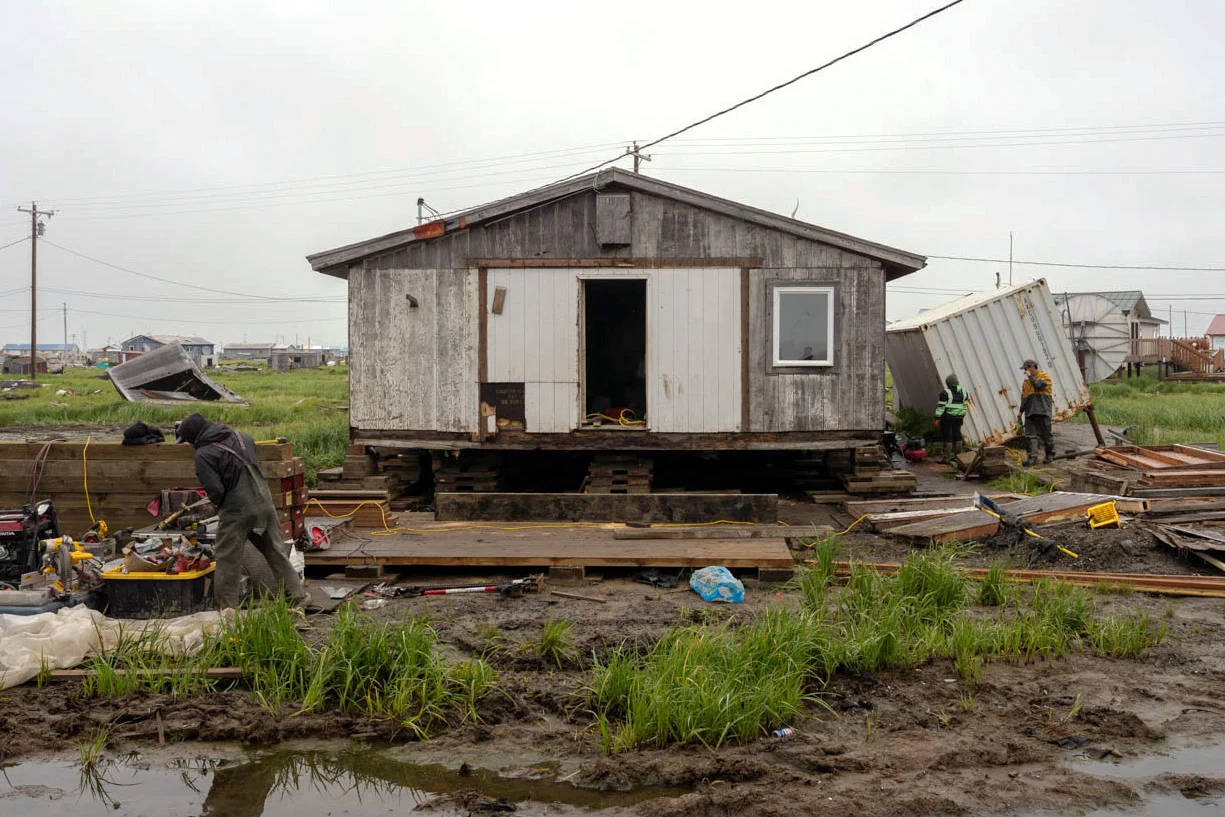
The remote village of Kivalina, perched on a barrier island in the Bering Sea, entered 2026 still grappling with the destruction left by the October 2025 typhoon remnants that flattened homes and knocked out power.
Federal Emergency Management Agency teams, together with the tribal council and local NGOs, have begun a coordinated effort to install modular housing units and repair the diesel generator that supplies electricity to the 400 residents.
In-Depth Analysis & Key Details
The disaster exposed gaps in the existing disaster‑relief framework for Alaska Native communities, where funding streams are fragmented between the Department of Housing and Urban Development, the Bureau of Indian Affairs, and state emergency services.
While some officials argue that expedited grants will speed reconstruction, others caution that rapid deployment of prefabricated structures may overlook cultural design preferences and long‑term sustainability.
"Accelerating federal aid without integrating tribal expertise risks building short‑term fixes rather than lasting resilience."
Why This Matters & What Lies Ahead
For the residents, delayed restoration means prolonged exposure to harsh weather, limited access to clean water, and heightened health risks, underscoring the human cost of climate‑induced disasters.
The upcoming spring review of the Tribal Housing Assistance Program and a congressional hearing on Arctic infrastructure will determine whether more robust, culturally attuned funding mechanisms are adopted.
Source: Reported by NPR · Analyzed & Synthesized by DNB Newsroom