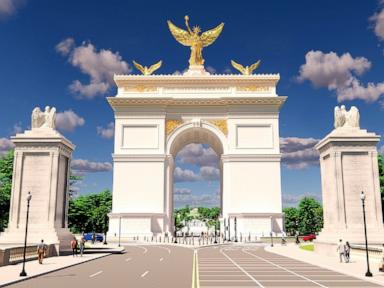
Mayor Muriel Bowser of Washington, D.C., and Virginia Governor Glenn Youngkin jointly announced a complaint in the U.S. District Court for the Eastern District of Virginia, asking a judge to block the erection of the so‑called Triumphal Arch on federal land adjacent to the National Mall.
The developers, a consortium backed by former President Donald Trump, contend the structure commemorates a historical era, but city officials argue it breaches the Height of Buildings Act, infringes on protected sightlines, and lacks required environmental assessments.
In-Depth Analysis & Key Details
The legal challenge rests on longstanding zoning statutes that restrict building heights within the capital’s core and on the National Historic Preservation Act, which mandates review of any project that could affect the visual integrity of federally protected sites.
Supporters of the arch argue that private property rights and free expression should prevail, citing precedents where monuments were erected without local consent, while critics warn that allowing the project could open the floodgates for other partisan memorials to circumvent community oversight.
"The injunction request marks a decisive test of whether local preservation rules can curb a privately funded monument tied to a former president."
Why This Matters & What Lies Ahead
Residents and tourists alike could see the cityscape altered dramatically if the arch proceeds, potentially diminishing the iconic vistas that drive millions in cultural tourism and affecting nearby businesses that rely on the current skyline.
The court’s decision, expected later this year, will influence upcoming congressional hearings on monument regulation and could prompt legislative proposals to tighten federal oversight of private memorials on public land.
Source: Reported by ABC News · Analyzed & Synthesized by DNB Newsroom