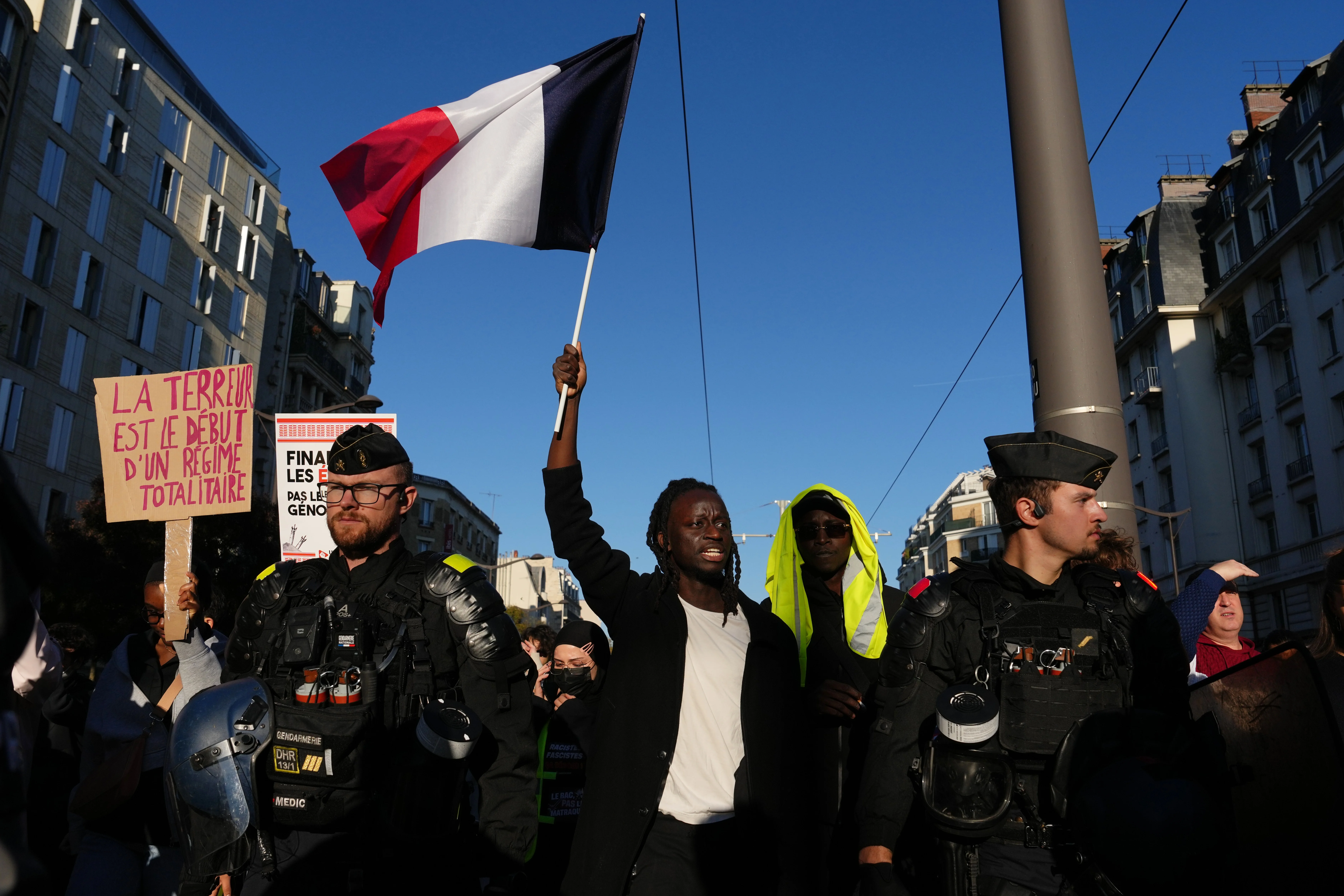
On Halloween night, French police reported a massive mobilization of young activists marching through major urban centers, from Paris to Marseille, demanding reforms on climate action and university financing. The interior ministry, led by Laurent Nuñez, signaled that law‑enforcement resources would be stretched as the demonstrations continued into the evening hours.
Simultaneously, municipal authorities prepared contingency plans, deploying additional officers and setting up temporary barriers to deter potential vandalism. Organizers, however, emphasized a commitment to peaceful protest, urging participants to avoid confrontations while maintaining a visible presence in public squares.
In-Depth Analysis & Key Details
The current unrest builds on a series of student movements that have periodically challenged the French government since the 2019 'yellow vests' era, reflecting deeper discontent with perceived fiscal austerity and slow climate action. Institutional inertia, coupled with a fragmented opposition in the National Assembly, has left policymakers vulnerable to public pressure.
While some analysts argue that the protests could force a rapid policy shift, others warn that heavy‑handed police tactics risk inflaming tensions and eroding public trust. Technical assessments of crowd‑control equipment and real‑time monitoring suggest a delicate balance between maintaining order and respecting civil liberties.
"The protests have turned the government's climate and education agenda into an immediate political flashpoint."
Why This Matters & What Lies Ahead
For citizens, the demonstrations signal a growing willingness to confront entrenched policy decisions, potentially reshaping public discourse on climate and education. Businesses operating in affected cities must also prepare for possible disruptions to supply chains and consumer traffic.
The coming weeks will test the government's response, with parliament slated to debate a new education funding bill and the interior ministry expected to issue revised public‑order directives ahead of the year's end.
Source: Reported by NPR · Analyzed & Synthesized by DNB Newsroom