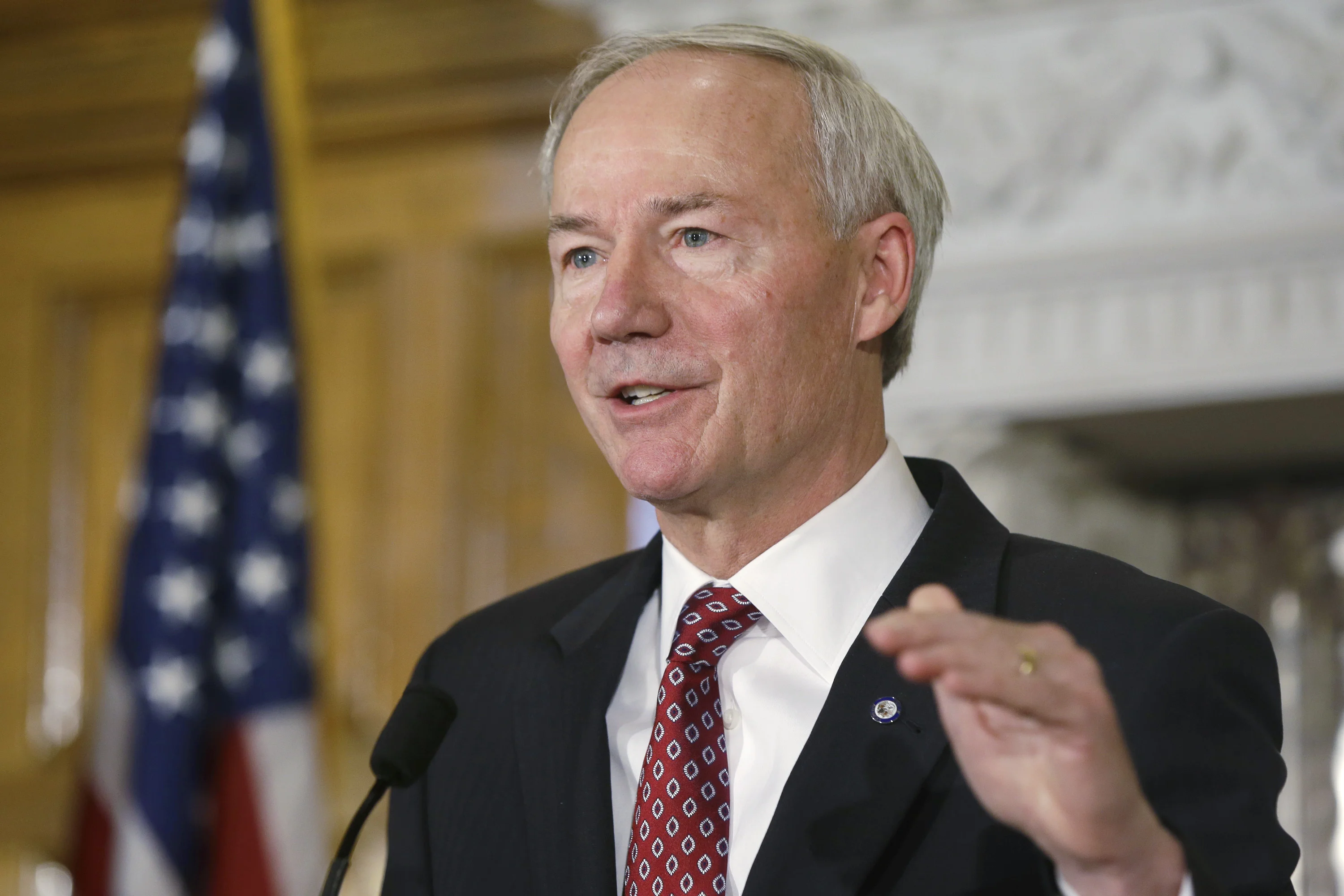
In a stark departure from the usual post-election partisan rhetoric, former Arkansas Governor Asa Hutchinson has issued a sobering assessment of the current political landscape. Speaking with NPR correspondent Scott Detrow, Hutchinson acknowledged that the Democratic Party’s recent successes in states long considered Republican bastions are not merely statistical fluctuations but indicative of a profound and unexpected shift in voter behavior. Hutchinson, a former Republican who served as governor from 2015 to 2023, emphasized that the scale of these gains was not predicted by traditional polling data or historical voting patterns, marking a significant moment in American political history.
The geographical context of these victories is particularly striking, as they have occurred in the Deep South and the Sun Belt, regions that have consistently delivered large margins to Republican candidates in presidential and congressional races for decades. Hutchinson pointed to specific districts and statewide races where Democratic candidates outperformed their party’s historical baselines, suggesting that local issues and candidate quality are overriding long-standing partisan identities. This trend is particularly notable in states like Arkansas, where the governor’s office and state legislature have been dominated by Republicans for over a decade, yet recent local elections have seen a noticeable uptick in Democratic turnout and success.
Hutchinson’s remarks were met with immediate attention from political analysts who have been watching the data closely. He stressed that while the Republican Party retains strong institutional advantages, the changing demographics and economic pressures in these states are creating vulnerabilities that cannot be ignored. "This is more significant than ever anticipated," Hutchinson stated, underscoring the urgency for both parties to adapt their strategies. His comments serve as a warning to Republican leadership that complacency in red states could lead to a loss of control over key legislative chambers, while simultaneously offering Democrats a roadmap for expanding their footprint beyond the traditional blue states.
In-Depth Analysis & Key Details
The historical background of American politics reveals a long-standing geographic divide, with the South solidifying as a Republican stronghold following the realignment of the 1990s. However, the current trend challenges this narrative, suggesting that the geographic map is becoming less predictive of electoral outcomes. This shift is driven by several structural forces, including the rapid demographic changes in the South, where the growing population of younger, more diverse voters is increasingly leaning Democratic. Additionally, economic issues such as inflation, healthcare costs, and rural infrastructure deficits are resonating with voters who may have previously identified as Republican but are now prioritizing practical policy solutions over ideological purity.
Competing perspectives on this development highlight a tension within the Republican Party between its base and its leadership. While some Republican strategists argue that these gains are temporary and driven by specific candidate matchups, others, like Hutchinson, recognize the underlying shift in voter sentiment. The economic consequences of this political realignment could be significant, as a more competitive political landscape may lead to more bipartisan legislation or, conversely, increased polarization if parties respond with more extreme messaging. The regulatory debates surrounding issues like abortion, gun control, and environmental policy are likely to become more intense as Democrats gain a stronger foothold in states where they have historically had little influence.
Expert domain context suggests that this shift is part of a broader global trend toward political volatility and the erosion of established party systems. Political scientists note that when incumbents fail to address the economic anxieties of their constituents, voters are more likely to experiment with opposition parties, even in states where the opposition has traditionally been weak. This phenomenon is particularly evident in the current cycle, where the high cost of living and the uncertainty of the post-pandemic economy have driven voters to seek alternatives to the status quo. The technical intricacies of campaign finance and media strategy also play a role, as digital advertising and social media have allowed candidates to bypass traditional media gatekeepers and reach voters directly, amplifying the impact of local issues on statewide elections.
"The political map is no longer a fixed entity; it is a fluid landscape shaped by the immediate economic realities of the American voter, and ignoring this shift will be a fatal error for any party that believes in permanence."
Why This Matters & What Lies Ahead
For everyday readers, this political realignment has direct implications for the policies that affect their daily lives, including access to healthcare, education funding, and tax rates. If Democrats continue to gain ground in red states, they may push for legislation that addresses these issues more aggressively, potentially leading to significant changes in state and federal policy. For financial markets, the uncertainty surrounding the upcoming elections could lead to increased volatility, as investors assess the potential impact of a more competitive political landscape on regulatory environments and corporate taxation. The legislative implications are also profound, as a shift in the balance of power in Congress could alter the trajectory of major national initiatives, from infrastructure spending to climate policy.
Upcoming milestones to watch include the primary elections in key swing states, where the strength of the field will provide early indicators of the general election’s outcome. Additionally, the release of detailed voter registration data and exit polls from local elections will offer valuable insights into the demographic and geographic drivers of this shift. Regulatory votes on issues like campaign finance reform and voting rights are also likely to become more contentious as both parties compete for influence in these newly competitive states. Monitoring these developments will be crucial for understanding the long-term trajectory of American politics and the potential impact on the nation’s economic and social fabric.
Source: Reported by NPR · Analyzed & Synthesized by DNB Newsroom