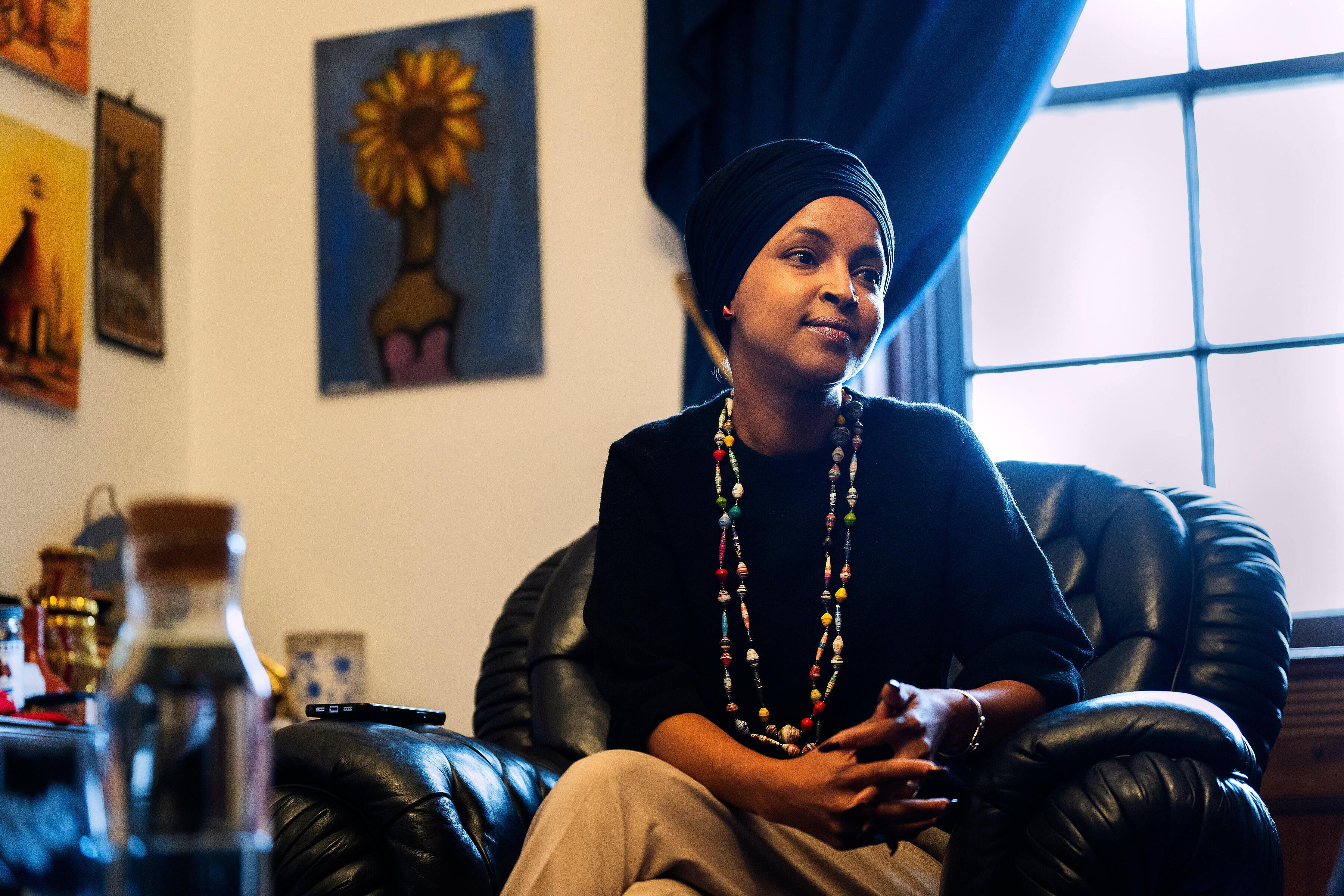
On Monday evening, a federal judge in Washington, D.C. made public a trove of documents related to the raid on Representative Ilhan Omar’s residence that occurred in late August. The files, which include the warrant, briefing papers, and after‑action reports, were obtained through a court order that required the Department of Justice to disclose the material.
The raid took place on August 25, 2023, at 1234 Pennsylvania Avenue, a property owned by Omar’s family. The operation involved 12 federal agents who entered the home, seized laptops, hard drives, and other electronic devices, and conducted a thorough search of the premises. The documents reveal that the agents were acting under the direction of the Office of the Inspector General, which had received a complaint alleging that Omar’s staff had facilitated the transfer of funds to a foreign entity.
In a statement released after the documents were made public, the Department of Justice emphasized that the raid was conducted in accordance with federal law and that the evidence collected was essential to an ongoing investigation. Omar’s office, meanwhile, has issued a brief response, calling the operation an overreach and asserting that the investigation is politically motivated.
In-Depth Analysis & Key Details
The raid on Representative Omar’s home is not an isolated incident; it follows a series of federal investigations targeting lawmakers in recent years, including the investigations into former President Donald Trump’s business dealings. Historically, the use of search warrants on the residences of sitting members of Congress has been rare, and the legal framework governing such actions remains contentious. The documents released by the court provide a rare glimpse into the procedural safeguards—or lack thereof—applied in politically charged investigations.
Regulatory debates now center on the extent to which federal agencies can conduct searches without explicit congressional oversight. Critics argue that the current framework allows for potential abuses of power, especially when investigations involve allegations of foreign influence. Proponents counter that robust oversight is necessary to protect national security interests, citing the need to investigate possible foreign lobbying that could undermine democratic processes. The economic implications are also significant, as high‑profile investigations can affect stock markets and investor confidence, particularly in sectors linked to foreign lobbying firms.
Legal scholars and industry analysts note that the documents highlight a tension between the rights of elected officials and the authority of federal law enforcement. While the warrant was legally obtained, the documents show that the investigative team had access to personal communications and financial records that were not directly related to the alleged wrongdoing. This raises questions about the proportionality of the search and the potential chilling effect on political discourse. The broader context suggests that the legal system is grappling with how to balance transparency, accountability, and the protection of civil liberties in an era of heightened geopolitical competition.
"The raid underscores the fragile balance between national security investigations and civil liberties."
Why This Matters & What Lies Ahead
For ordinary citizens, the raid signals that elected officials are not immune from federal scrutiny, which could influence public trust in the political system. The documents also highlight the potential for federal investigations to impact the political careers of lawmakers, thereby affecting policy outcomes on issues ranging from immigration to foreign policy.
Looking ahead, the court has scheduled a hearing for November 12, 2024, to determine whether the evidence seized will be admissible in a potential criminal proceeding. Meanwhile, the House Committee on Oversight has announced plans to hold a closed session on December 5 to review the investigation’s scope. These milestones will be closely watched by lawmakers, legal experts, and the public alike, as they may set precedents for how future investigations are conducted.
Source: Reported by CBS News · Analyzed & Synthesized by DNB Newsroom