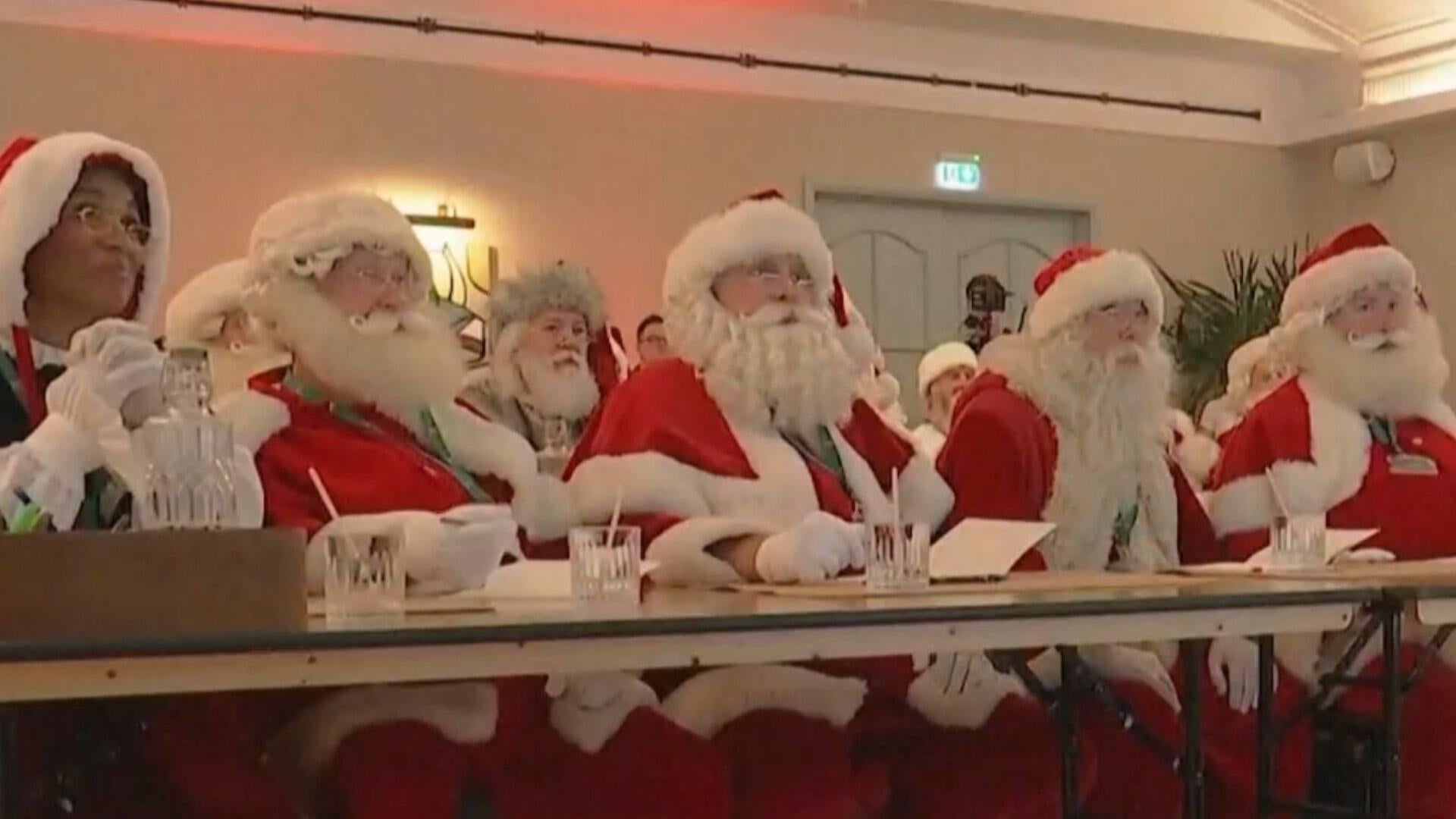
Midland, Michigan—The Charles H. Howard Santa School opened its doors this December to a bustling assembly of more than three hundred hopefuls eager to master the art of embodying Santa Claus and Mrs. Claus. Organized by the Howard Foundation, the week‑long intensive blends theatrical coaching, etiquette workshops, and logistical training for participants who will appear in shopping malls, parades, and private events throughout the holiday season.
The campus, housed in a refurbished elementary school building, features a mock North Pole workshop, a costume laboratory, and a performance stage where trainees rehearse scripted greetings, gift‑handing protocols, and crowd‑management techniques. The curriculum emphasizes both the whimsical aspects of the role—such as maintaining a jolly demeanor—and the practical demands of safety, accessibility, and brand consistency required by sponsoring retailers.
Foundation director Lisa McAllister highlighted the program’s commitment to preserving a high standard of holiday hospitality, noting that “our graduates become the public face of Christmas for millions of families, and we take that responsibility seriously.” Mall operators and event planners in attendance praised the school’s rigorous approach, signaling a shift toward more professionalized holiday staffing across the nation.
In-Depth Analysis & Key Details
The tradition of hiring costumed Santa figures dates back to the early 20th century, when department stores first introduced the character to boost foot traffic during the Christmas rush. Over the ensuing decades, the role evolved from a spontaneous volunteer position into a lucrative niche market, prompting the emergence of specialized training centers like the Howard School. Historical records indicate that by the 1970s, major retailers were already contracting seasoned performers to ensure consistency across locations, a practice that laid the groundwork for today’s formalized curricula.
In recent years, the commercialization of holiday experiences has intensified, spurring regulatory scrutiny over child labor laws, safety standards, and the psychological impact of hyper‑commercialized festivities on young audiences. Advocacy groups have called for clearer guidelines, while industry analysts observe that the rise of professional Santa schools helps retailers mitigate liability risks and align with corporate social responsibility goals. The Howard School’s partnership with local law enforcement and occupational safety experts exemplifies this trend toward compliance‑driven programming.
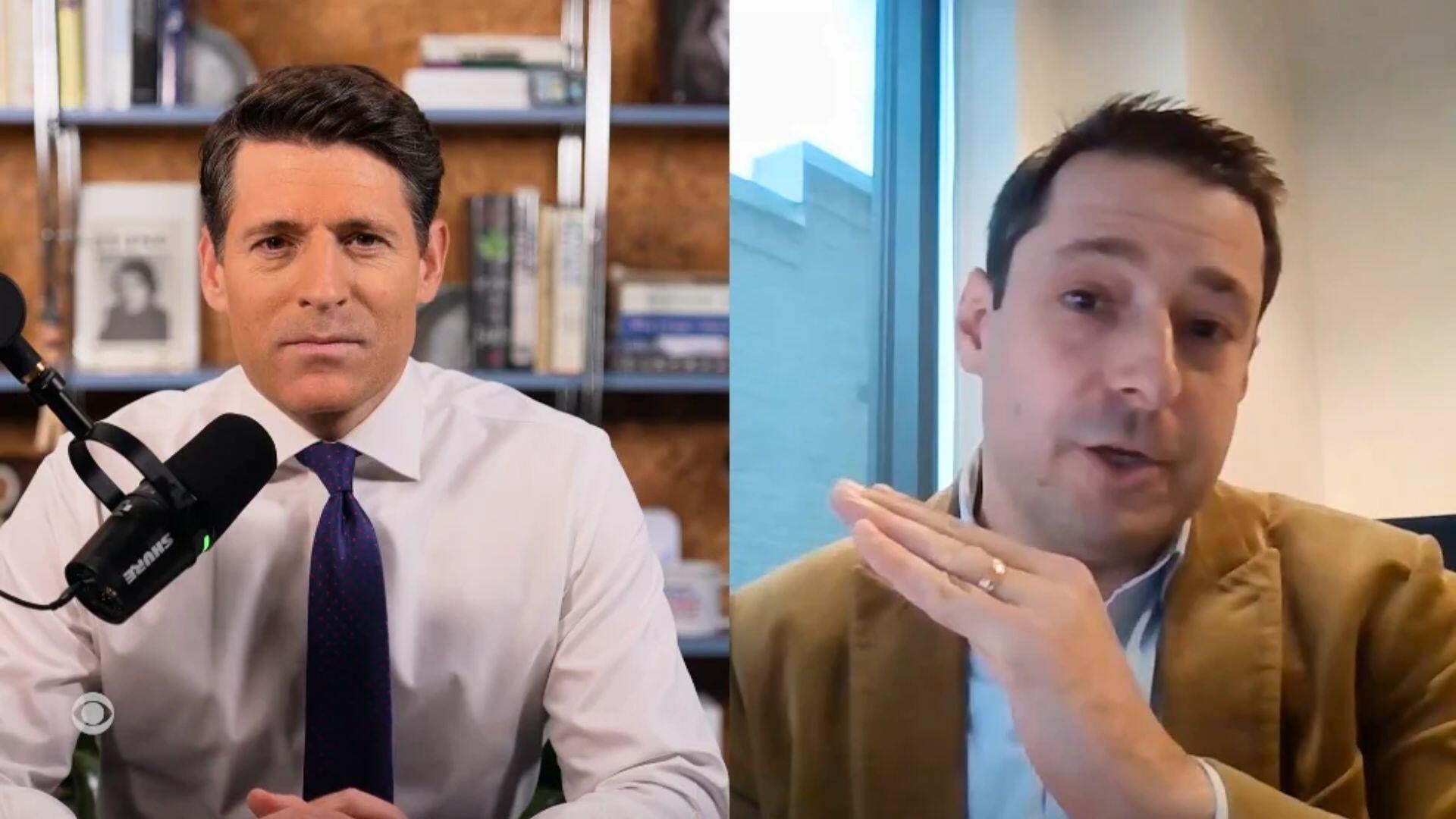
Cultural scholars note that the institutionalization of Santa training reflects broader societal shifts toward credentialing even the most whimsical occupations. By branding itself as the "Harvard of the trade," the school taps into a cultural narrative that equates formal education with authenticity, thereby enhancing consumer trust. This dynamic is further reinforced by media coverage, such as CBS’s Tony Dokoupil feature, which amplifies the school’s reputation and draws additional sponsorships.
"Professionalizing the role of Santa transforms a nostalgic tradition into a strategic asset for retailers and communities alike."
Why This Matters & What Lies Ahead
For families, the presence of a well‑trained Santa can elevate the emotional resonance of holiday celebrations, fostering lasting memories while also ensuring that interactions are safe, inclusive, and respectful of diverse cultural expectations. Retailers benefit from the predictable quality and reliability that graduates provide, translating into higher foot traffic, increased sales, and stronger brand loyalty during the critical December shopping window.
Looking ahead, the Howard School plans to expand its curriculum to include virtual reality simulations and multilingual performance modules, anticipating a more globalized consumer base. Stakeholders will be watching the upcoming National Retail Federation holiday summit in January, where the school is slated to present its findings on the economic impact of professional holiday staffing. Additionally, a pending state legislative proposal to codify training standards for seasonal entertainers could set a precedent that reshapes the industry nationwide.
Source: Reported by CBS News · Analyzed & Synthesized by DNB Newsroom