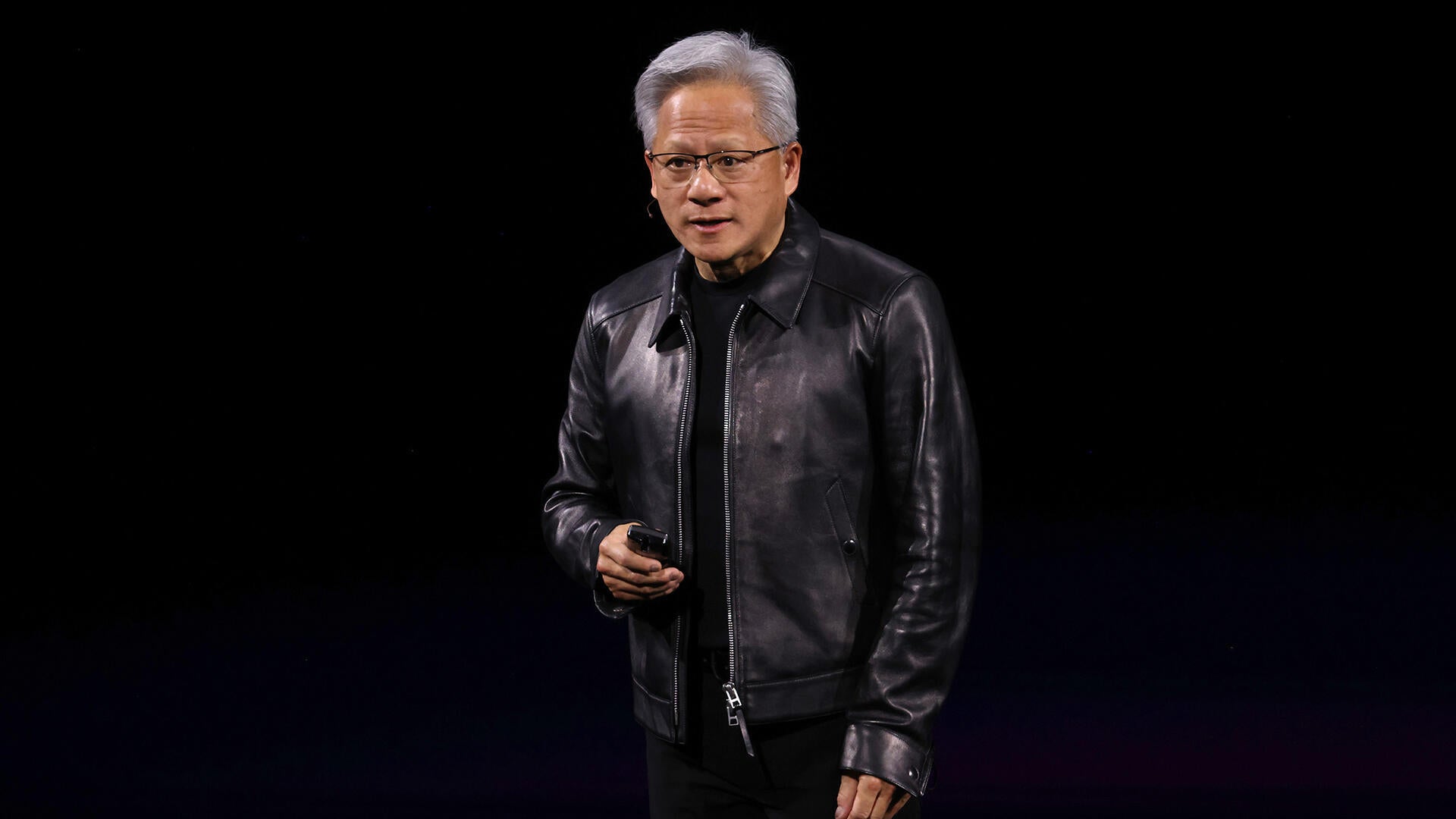
The political and business landscapes in Washington and Silicon Valley are currently in a state of heightened alert following the confirmed reinstatement of Jensen Huang as president and chief executive officer of Nvidia. This corporate move, which stabilized the company’s leadership structure, has simultaneously ignited a firestorm of scrutiny from the U.S. Congress. Lawmakers from both parties have issued statements indicating an intent to closely monitor the implications of Huang’s return, particularly in relation to the ongoing investigative probes centered around the Megaspeed project, a high-stakes initiative tied to advanced computing capabilities.
The immediate operational context of this development is rooted in the critical nature of Nvidia’s role in the global semiconductor supply chain. As the primary architect of the hardware powering the current artificial intelligence revolution, Nvidia’s internal governance is no longer viewed as a purely private matter but as a component of national strategic interest. The geographical and institutional focus has shifted from corporate boardrooms to hearing rooms, where the details of the Megaspeed inquiries are being dissected. This shift underscores a broader trend in which the boundaries between corporate strategy and public policy are increasingly blurred in the tech sector.
Official responses from congressional committees have been firm, emphasizing the need for comprehensive transparency regarding the leadership decisions that preceded and followed Huang’s reinstatement. While Nvidia has maintained that its corporate actions were driven by long-term strategic stability, regulators are probing whether these moves were made in full compliance with existing export control and industrial security frameworks. Stakeholders in the technology industry are watching these proceedings with intense interest, recognizing that the outcome could set a precedent for how executive leadership in critical tech firms is evaluated by the state.
In-Depth Analysis & Key Details
The historical background of this controversy reveals a long-standing friction between the rapid pace of technological innovation and the slower, deliberative nature of regulatory oversight. Nvidia’s rise to dominance in the GPU market has made it a linchpin in the U.S. effort to maintain technological supremacy over rival nations. Consequently, any disruption in its leadership or operational integrity is perceived as a potential vulnerability. The Megaspeed probes, therefore, are not merely about corporate compliance but are deeply embedded in the geopolitical narrative of the semiconductor cold war, where control over advanced computing resources is viewed as a matter of national security.
Competing perspectives on this issue highlight a divide between those who advocate for minimal regulatory interference in private enterprise and those who argue for robust state oversight of critical infrastructure. Industry analysts observe that the reinstatement of Huang, a figure widely regarded as a visionary in the chip industry, was intended to reassure investors and partners. However, regulatory filings and congressional inquiries suggest that the focus has shifted to the specific mechanisms and decision-making processes that led to the Megaspeed initiative. This debate is further complicated by the economic consequences of potential regulatory actions, which could stifle innovation or, conversely, fail to protect domestic interests from opaque corporate practices.
From a technical and structural standpoint, the intricacies of the Megaspeed project involve complex supply chain dynamics and high-performance computing architectures that are difficult for non-technical policymakers to fully grasp. This knowledge gap often leads to broader, more generalized inquiries that may lack the precision needed to address specific technical risks. Regulatory experts note that the challenge lies in creating a framework that is sophisticated enough to evaluate the technical merits of such projects while remaining accessible and enforceable. The tension between technical complexity and regulatory simplicity is a defining feature of the current oversight landscape for advanced technology firms.
"The reinstatement of leadership at a critical technology firm is no longer a private corporate matter; it is a national security event that demands rigorous, transparent accountability from both the executive suite and the legislative branch."
Why This Matters & What Lies Ahead
For everyday readers and the broader economy, the outcome of these congressional probes will have tangible effects on the availability and cost of AI-driven technologies. If regulatory actions lead to significant operational disruptions or increased compliance costs for Nvidia, these impacts could ripple through the global supply chain, affecting everything from cloud computing services to consumer electronics. Furthermore, the precedent set by this oversight could influence how other critical infrastructure providers are monitored, potentially leading to a new era of strict corporate governance standards in the tech sector. The financial markets are already reflecting this uncertainty, with volatility in semiconductor stocks serving as a barometer for investor confidence in the regulatory environment.
Key upcoming milestones to monitor include the scheduled congressional hearings where detailed testimony from Nvidia executives and congressional investigators will be presented. These sessions are expected to clarify the specific findings of the Megaspeed probes and outline any proposed legislative remedies. Additionally, the release of detailed regulatory filings and the potential for bipartisan committee reports will provide further insight into the direction of oversight. Investors and industry stakeholders should closely track these developments, as they will likely determine the long-term stability and growth trajectory of the U.S. semiconductor industry in the face of intense geopolitical and regulatory pressure.
Source: Reported by CBS News · Analyzed & Synthesized by DNB Newsroom