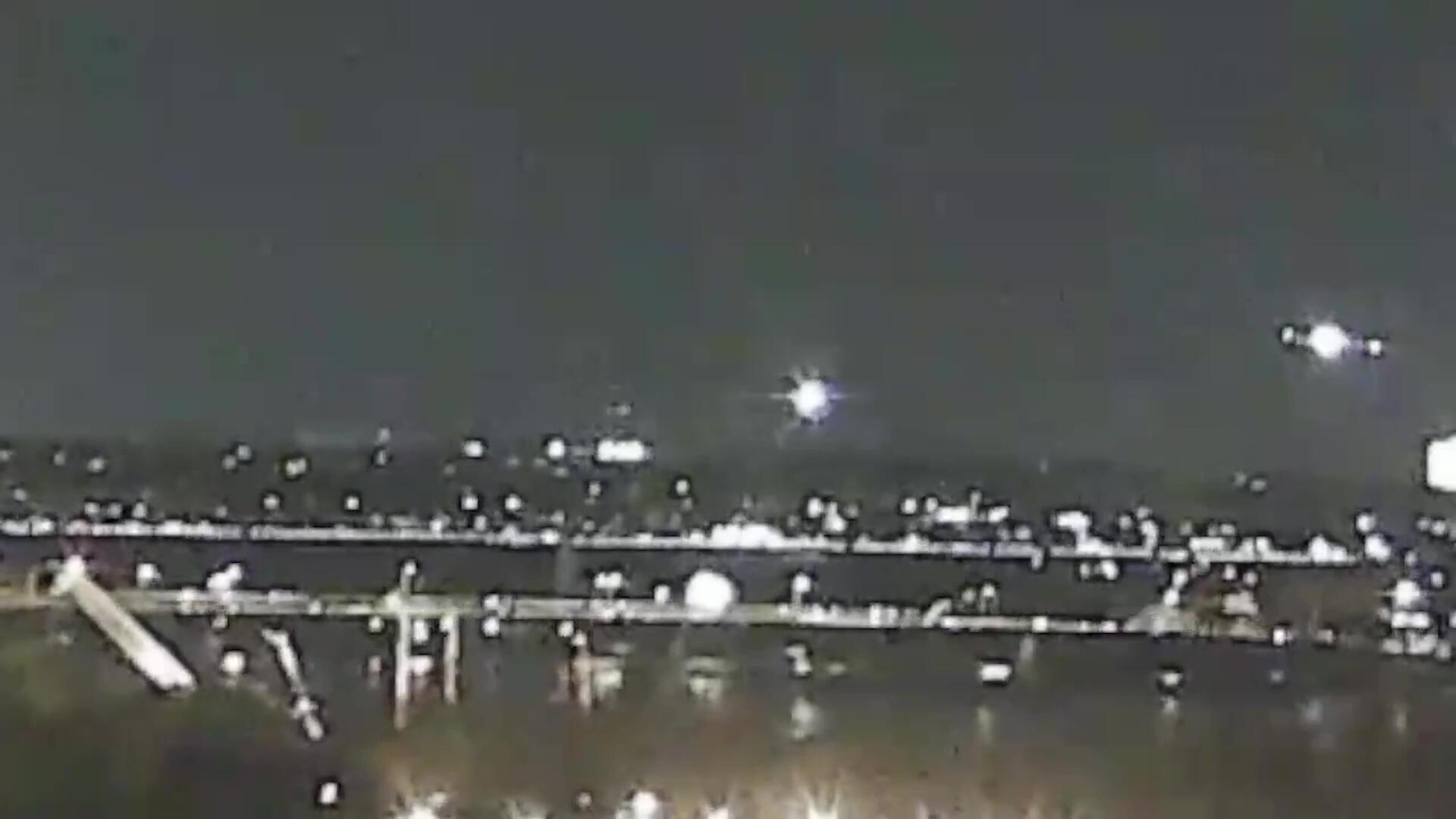
The U.S. Army announced on Tuesday that it will restart helicopter training missions in the airspace surrounding Washington Dulles International Airport, the location of the January 2025 collision that claimed all lives aboard an Army helicopter and an American Airlines passenger jet.
The training program, which has been suspended since the accident, will operate under a revised flight schedule designed to avoid the approach corridor used by commercial aircraft during the fatal event. The Army’s flight operations will be conducted at higher altitudes and with additional radar monitoring to maintain separation from civilian traffic.
A senior Army spokesperson said the resumption reflects a commitment to maintaining readiness while incorporating lessons learned from the investigation. The Department of Defense has pledged to cooperate fully with the National Transportation Safety Board and the FAA, both of which are reviewing the updated flight plan and safety protocols.
In-Depth Analysis & Key Details
The decision to resume training flights near the DCA collision site is rooted in a long history of military aviation operations overlapping with commercial air corridors, a practice that has prompted periodic safety reviews since the 1960s. In the wake of the 2025 accident, the Department of Defense and the FAA conducted a joint analysis of airspace usage, concluding that the risk could be mitigated through stricter flight path controls and enhanced radar tracking.
Regulatory debates have intensified as aviation safety advocates argue that military training should be relocated to less congested airspace, while defense officials emphasize the strategic importance of maintaining training proximity to key infrastructure. The economic implications are significant, as any disruption to commercial flights at DCA could ripple through the airline industry and affect regional economies.
Industry analysts note that the technical adjustments—such as the implementation of a new flight corridor and the use of advanced collision‑avoidance systems—represent a substantial investment in safety technology. However, the broader question remains whether these measures sufficiently address the systemic risk of overlapping military and civilian air operations.
"The decision to resume training flights in the same airspace that saw a deadly collision underscores the tension between national defense priorities and civilian air safety."
Why This Matters & What Lies Ahead
For everyday travelers, the resumption of Army training flights near DCA raises concerns about the potential for future incidents that could disrupt flight schedules and compromise passenger safety. The incident also carries implications for the broader aviation market, as heightened risk perceptions could influence airline route planning, insurance premiums, and investor confidence in the sector.
Key milestones to watch include the NTSB’s final accident report, scheduled for release in the coming weeks, and a congressional hearing on military‑civilian airspace coordination slated for next month. The outcomes of these events will shape regulatory policy and could lead to new legislation aimed at tightening airspace separation standards across the United States.
Source: Reported by CBS News · Analyzed & Synthesized by DNB Newsroom