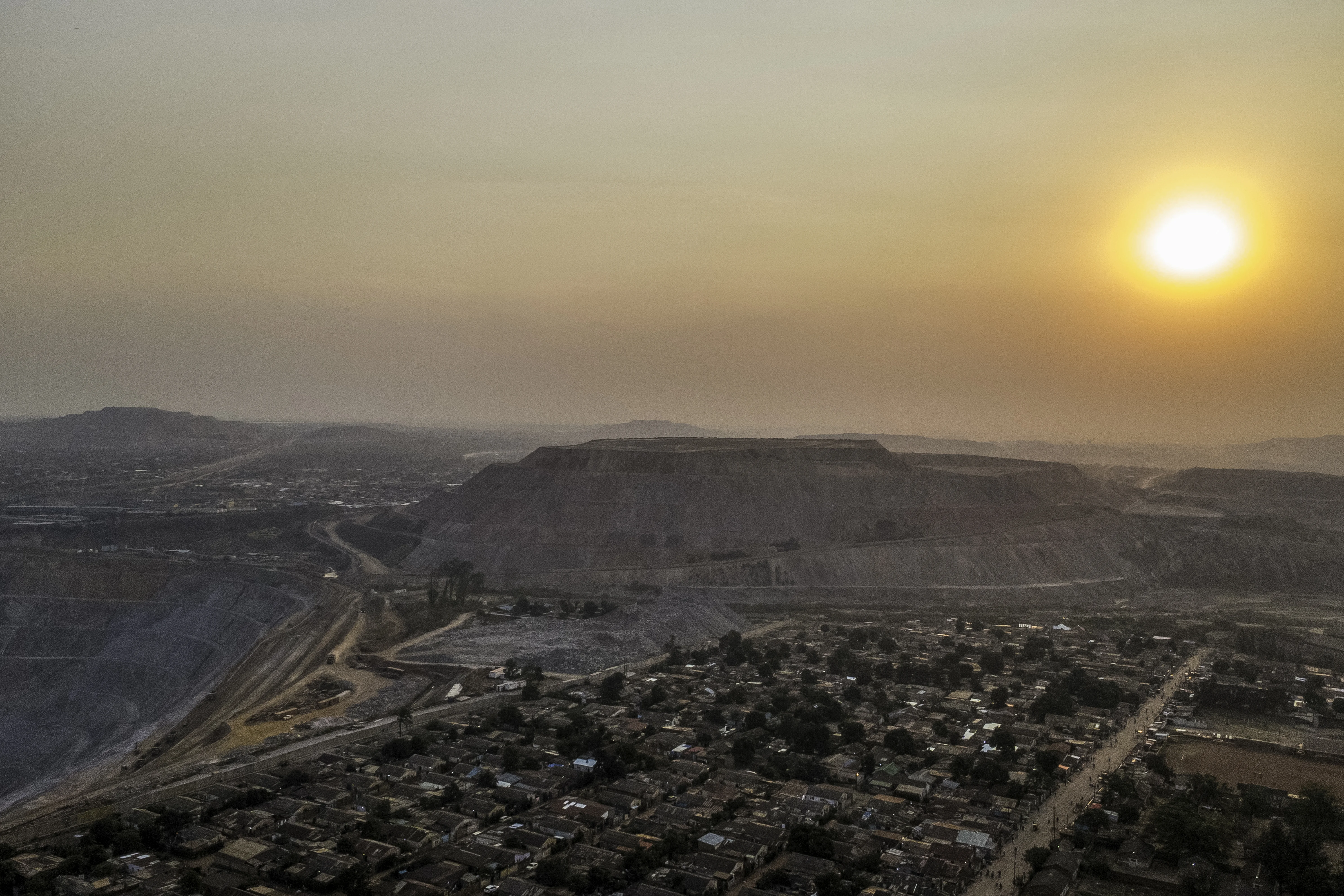
In a move that signals a potential shift in how environmental grievances are litigated in the Democratic Republic of Congo, twenty-seven community members have filed a lawsuit against a prominent Chinese-owned mining facility. The legal filing asserts that the extraction of copper and cobalt has released toxic substances into the local water and soil, creating a public health emergency that local medical providers have struggled to contain. The plaintiffs point to a cluster of severe medical incidents, including unexplained bleeding disorders and a rise in infants born with significant physical and cognitive defects, as direct consequences of the mine’s operational practices.
The geographical context of the dispute is central to the allegations, as the mining operations are situated in close proximity to residential areas and agricultural land. Residents describe a deterioration in the quality of their daily environment, citing contaminated water sources and persistent soil toxicity that affect both human health and local food production. The lawsuit argues that the mine’s waste management protocols have been insufficient to prevent the migration of heavy metals and chemical byproducts into the community’s immediate habitat.
In addition to the corporate defendant, the legal action explicitly names the government of the Democratic Republic of Congo, alleging a systemic failure to enforce existing environmental regulations. The plaintiffs contend that state authorities have been complicit in the pollution by prioritizing economic revenue from mining exports over the fundamental right to a safe living environment. This dual-target approach aims to hold both the operator and the regulator accountable for the resulting harm, setting a precedent for state liability in industrial pollution cases.
In-Depth Analysis & Key Details
The historical context of mining in the DRC is fraught with tension between rapid industrialization and inadequate environmental governance. For decades, the country has been a primary source of critical minerals essential for the global transition to renewable energy, yet the regulatory frameworks governing these operations have often lagged behind the scale of extraction. This lawsuit highlights a structural gap where the economic benefits of mining are captured by international corporations and the state, while the environmental and health costs are disproportionately borne by local communities. The inclusion of the government as a defendant reflects a growing recognition among legal advocates that state inaction is a key driver of environmental injustice in resource-rich nations.
From a regulatory and geopolitical perspective, the case underscores the complex dynamics of foreign investment in Africa. Chinese state-owned and private enterprises have become major players in the DRC’s mining sector, bringing capital and infrastructure but also facing increasing scrutiny from international human rights organizations and environmental groups. The legal debate now centers on the enforceability of environmental standards in a jurisdiction with limited judicial independence and resource constraints. Industry analysts observe that such litigation may prompt multinational mining companies to adopt stricter internal compliance measures to mitigate reputational and legal risks, potentially raising the cost of operations but improving long-term sustainability.
The technical intricacies of the alleged pollution involve the leaching of heavy metals, such as lead, cadmium, and arsenic, which are common byproducts of copper and cobalt processing. These substances can persist in the environment for decades, accumulating in the food chain and causing chronic health effects that are difficult to reverse. Medical professionals note that the symptoms described by the plaintiffs, including hemorrhaging and birth defects, are consistent with long-term exposure to such toxicants. The case thus serves as a critical test for the scientific and legal mechanisms used to establish causation in environmental health litigation.
"This litigation marks a pivotal moment in the fight for environmental justice, challenging both corporate negligence and state complicity in the face of industrial pollution."
Why This Matters & What Lies Ahead
For everyday readers and global consumers, this lawsuit has direct implications for the supply chain of electronics and electric vehicles, which rely heavily on cobalt and copper from the DRC. If the court rules in favor of the plaintiffs, it could lead to stricter environmental regulations that affect the cost and availability of these critical minerals. Furthermore, the case highlights the human cost of the global green energy transition, reminding consumers that the production of clean technology often comes with significant social and environmental trade-offs. Financial markets may also react to increased regulatory risk, potentially impacting the valuations of mining companies operating in the region.
Upcoming milestones to monitor include the initial court hearings, where both the mining company and the government will present their defenses and evidence. Legal observers will be watching closely for any injunctions or interim measures that could halt or modify the mine’s operations. Additionally, international bodies such as the United Nations and various human rights organizations are likely to issue statements or intervene as amicus curiae, adding further pressure on the parties involved. The outcome of this case will be closely watched by other communities in the DRC and across Africa, potentially inspiring similar legal actions against other industrial polluters.
Source: Reported by NPR · Analyzed & Synthesized by DNB Newsroom