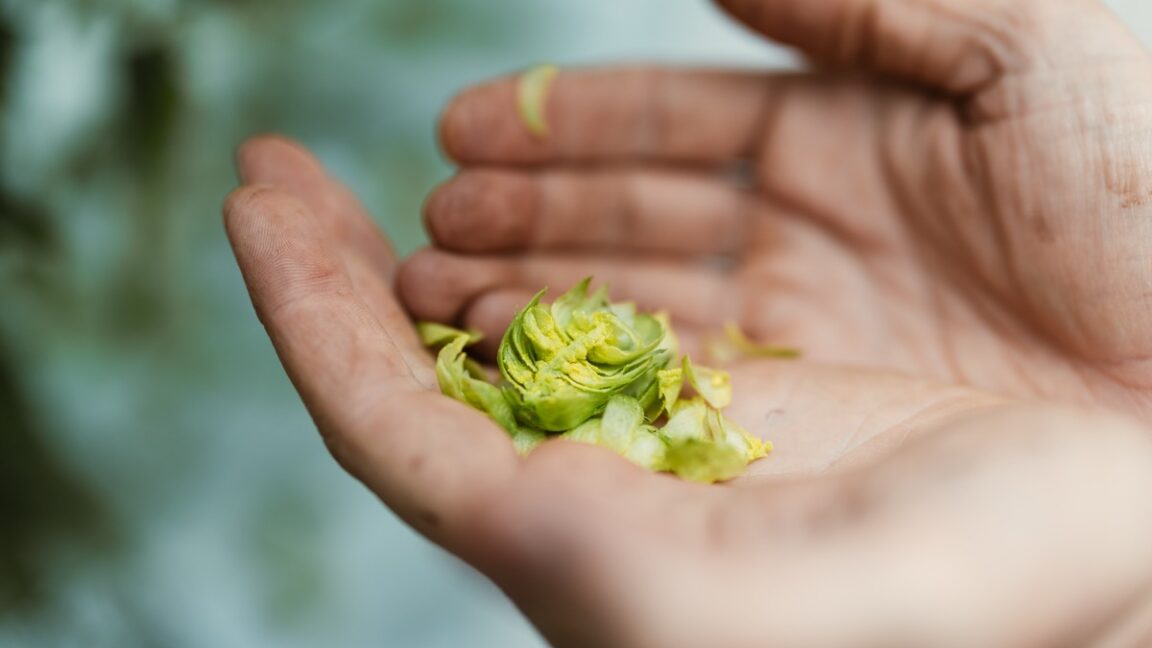
A recent study published by the Brewers Association and the University of California, Davis, demonstrates that beers can incorporate up to half of smoke‑tainted hops without altering sensory profiles. The research, which tested over 200 beer samples, measured aroma, bitterness, and overall flavor intensity across a range of hop percentages.
The findings emerged amid growing concerns over the impact of California’s 2023 wildfire season, which exposed vast swaths of hop farms to dense smoke and ash. Producers in the Central Valley reported significant crop losses, prompting the industry to seek ways to salvage usable material.
In a statement released Thursday, the Brewers Association noted that the study offers “a viable path forward for growers and brewers alike” and called for industry‑wide adoption of the new blending guidelines. Hop growers and craft breweries have begun to pilot the technique in limited production runs, with preliminary feedback suggesting minimal consumer impact.
In-Depth Analysis & Key Details
The historical relationship between hop quality and beer character has long been governed by strict sensory thresholds. Prior to the wildfire crisis, smoke‑tainted hops were largely considered a waste product, discarded or repurposed for low‑grade beer lines. The new study challenges that paradigm by quantifying the threshold at which smoke compounds become perceptible.
Industry analysts observe that the blending approach aligns with broader trends toward sustainable resource utilization. By maximizing the use of damaged hops, brewers can reduce waste, lower raw‑material costs, and support local economies. However, some regulatory bodies remain cautious, citing potential allergenicity and contamination risks that could arise from ash residues.
Technical reports from the University of California, Davis, detail the analytical methods used to isolate volatile phenols responsible for smoky aromas. The researchers employed gas chromatography‑mass spectrometry to confirm that, at 50 % inclusion, these compounds fall below the sensory detection threshold for most beer styles. This scientific validation provides a robust foundation for industry guidelines.
"The study shows that we can salvage a significant portion of what was once considered unusable, turning a crisis into a new standard for sustainable brewing."
Why This Matters & What Lies Ahead
For everyday beer drinkers, the research means that the taste and aroma of their favorite brews will remain consistent even as the industry adapts to environmental challenges. On a broader scale, the ability to use damaged hops helps stabilize the supply chain, preventing price volatility that could ripple through the global beverage market.
Key milestones to watch include the Brewers Association’s upcoming annual conference, where formal adoption of the blending guidelines is expected, and a scheduled FDA review of the safety implications of smoke‑tainted hops. Monitoring these developments will be crucial for stakeholders navigating the intersection of environmental resilience and product quality.
Source: Reported by Ars Technica · Analyzed & Synthesized by DNB Newsroom