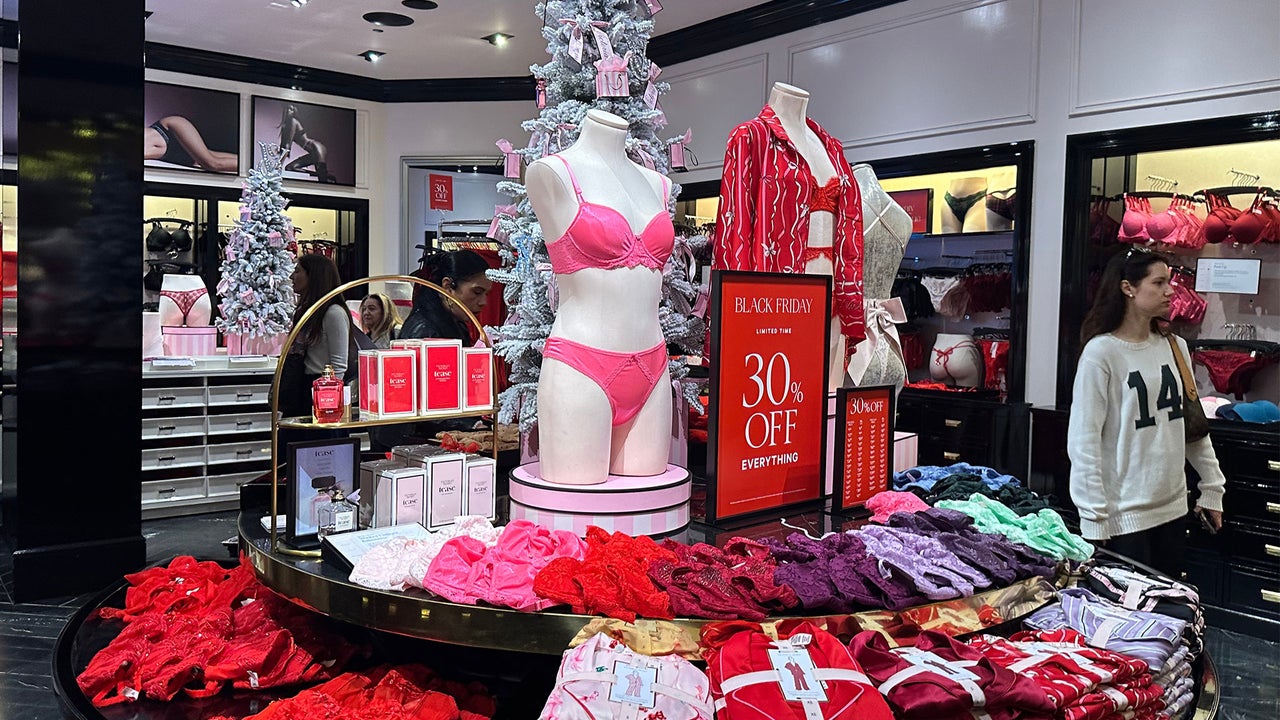
The U.S. retail sector is currently navigating a pivotal moment during the 2026 Black Friday period, where the traditional metrics of holiday success are being challenged by emerging spending patterns. As the unofficial kickoff to the year-end shopping season, Black Friday has historically been dominated by heavy discounts on consumer electronics, home appliances, and major apparel brands. However, current industry signals indicate that this year’s sales data is being disproportionately driven by unexpected items, suggesting a fundamental change in how American shoppers allocate their discretionary income during peak promotional windows.
This shift is occurring across both digital and physical retail channels, with online platforms and brick-and-mortar stores alike reporting that the 'unofficial kickoff' of the holiday season looks markedly different from previous years. The geographical spread of this trend is nationwide, affecting major metropolitan hubs and suburban retail centers equally. The operational context involves a complex realignment of inventory, where retailers who relied on historical data for bulk stocking of standard goods may find themselves with excess inventory, while those who diversified their offerings are seeing higher margins on lower-volume items.
Industry stakeholders and retail executives are closely monitoring these developments, noting that the day once reserved for aggressive price wars on standard goods is now characterized by a more nuanced consumer behavior. There are no single institutional declarations from a central governing body, as retail is a decentralized market, but the collective response from major chains suggests a rapid adaptation to these new spending priorities. The immediate reaction from the market is a re-evaluation of what constitutes a 'must-have' item versus a 'nice-to-have' luxury, with the former category expanding to include specialized goods that were previously considered secondary.
In-Depth Analysis & Key Details
The historical trajectory of Black Friday has always been tied to the post-Thanksgiving lull in economic activity, serving as a catalyst for Q4 revenue. For decades, the structural forces driving this period were inflationary pressures on major brands and the competitive necessity to clear warehouse space. However, the 2026 cycle reveals a maturation of the U.S. consumer market. The rise of unexpected items suggests that consumers are moving away from the 'land-grab' mentality of early Black Friday, where the goal was to secure the lowest possible price on standardized goods, toward a model of targeted acquisition. This reflects a broader economic trend where consumers are more financially literate and less susceptible to the urgency tactics that previously defined the holiday rush.
Competing perspectives within the retail industry highlight a tension between volume-based metrics and margin-based success. Traditionalists argue that the essence of Black Friday is high-volume turnover, which helps cash flow and inventory turnover. However, industry analysts observe that the shift toward unexpected items indicates a higher average order value, which is often more beneficial for long-term profitability. Regulatory and economic debates surrounding consumer protection and fair pricing are also relevant here, as the shift may reduce the need for aggressive discounting that can sometimes lead to market distortions. The economic consequence is a potential stabilization of pricing power for retailers, who may no longer need to engage in razor-thin margin sales to drive traffic.
Expert domain context suggests that this shift is partly driven by the saturation of the digital marketplace. With online shopping becoming the norm, the novelty of 'deals' has diminished, and consumers are now seeking unique value propositions. This is further complicated by the technical intricacies of modern supply chains, which allow for more agile responses to demand fluctuations. Retailers are leveraging data analytics to identify these emerging trends in real-time, allowing them to adjust marketing and inventory strategies on the fly. The result is a more dynamic and responsive retail environment that is less predictable than in previous decades.
"The 2026 Black Friday cycle is not just a shift in what Americans are buying, but a fundamental redefinition of value in a saturated marketplace."
Why This Matters & What Lies Ahead
For everyday consumers, this shift means that the traditional 'deal' culture is evolving into a more curated shopping experience. The direct impact is that shoppers may find better value in specialized products that were previously overlooked, potentially leading to higher satisfaction with holiday purchases. However, it also requires consumers to be more proactive in their research, as the most significant discounts may no longer be on the most visible items. For global supply chains, this trend signals a need for greater flexibility and precision in logistics, as the predictable bulk orders for standard goods are being replaced by diverse, smaller-batch demands. This could lead to more efficient use of resources but also increased complexity in inventory management.
Upcoming milestones to watch include the release of preliminary Q4 earnings reports from major retailers, which will provide concrete data on the financial impact of this shift. Regulatory bodies may also take note of the changing dynamics in consumer spending, particularly if the shift leads to fewer instances of price gouging or aggressive marketing tactics. Additionally, the holiday season will continue to be a key indicator of overall economic health, with the performance of these unexpected categories serving as a leading indicator for consumer confidence in the coming year. Investors and policymakers should closely monitor these trends, as they may signal broader shifts in economic behavior that extend beyond the retail sector.
Source: Reported by Fast Company · Analyzed & Synthesized by DNB Newsroom