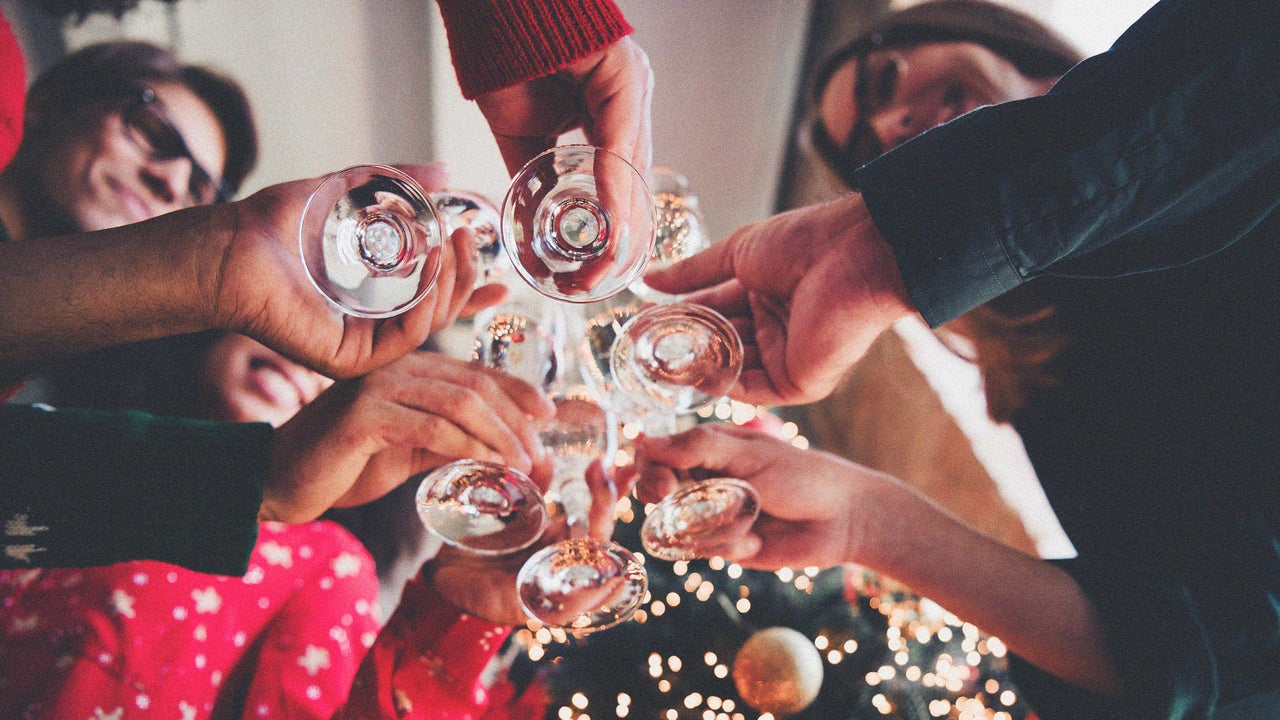
The traditional expectation that professional networking and team bonding must occur over drinks is facing a significant cultural challenge. As more employees choose to abstain from alcohol for health, personal, or family-related reasons, the standard holiday party and after-work drink are becoming sources of exclusion rather than inclusion. This shift is particularly pronounced in industries like communications, where social engagement is often viewed as a core component of professional success.
For professionals who have chosen sobriety, the workplace social calendar presents a complex navigation challenge. The pressure to conform to alcohol-centric norms can feel insurmountable, especially when career advancement is perceived to be tied to informal social interactions. This dynamic forces individuals to either compromise their personal commitments or find creative ways to participate in social events without alcohol, often feeling like outsiders in their own professional communities.
Industry insiders suggest that this is not merely a personal preference issue but a broader workplace diversity and inclusion concern. As the number of sober professionals grows, companies are beginning to recognize that their current social structures may be inadvertently marginalizing a significant portion of their workforce. This realization is driving a call for more thoughtful and inclusive approaches to workplace socialization.
In-Depth Analysis & Key Details
The historical link between alcohol and business culture is deeply entrenched, with decades of tradition reinforcing the idea that drinks are essential for breaking down social barriers and facilitating deal-making. However, this model is increasingly being questioned in the wake of growing awareness about alcohol's health impacts and the rise of sober curiosity movements. The structural forces at play include not only individual health choices but also a broader cultural shift toward more mindful consumption and workplace wellness.
Competing perspectives on this issue reveal a tension between preserving traditional business customs and adapting to modern workforce expectations. Some industry leaders argue that alcohol remains a key social lubricant that cannot be easily replaced, while others contend that inclusive environments are essential for attracting and retaining top talent. The economic consequences of this debate are significant, as companies that fail to adapt may find themselves at a competitive disadvantage in the talent market.
Expert domain context suggests that the solution lies in reimagining what professional socialization looks like in the 21st century. This includes exploring alternative venues and activities that do not center on alcohol, such as cultural events, outdoor activities, or casual coffee meetups. By broadening the definition of professional networking, companies can create more inclusive spaces that benefit all employees, regardless of their drinking habits.
"The true measure of a modern workplace culture is not how well it accommodates alcohol, but how effectively it fosters genuine connection among all employees, regardless of their personal choices."
Why This Matters & What Lies Ahead
For everyday professionals, this shift has direct implications for their career satisfaction and work-life balance. Employees who choose sobriety no longer have to feel pressured to participate in alcohol-centric events, leading to a more inclusive and supportive work environment. This change also has broader public policy implications, as it highlights the need for more flexible and inclusive workplace practices that accommodate diverse lifestyle choices.
Upcoming milestones to watch include the development of new corporate wellness programs that explicitly include sober-friendly social events, as well as industry-wide discussions on best practices for inclusive workplace socialization. Companies that lead in this area may set new standards for workplace culture, influencing how other organizations approach team building and professional networking in the years to come.
Source: Reported by Fast Company · Analyzed & Synthesized by DNB Newsroom