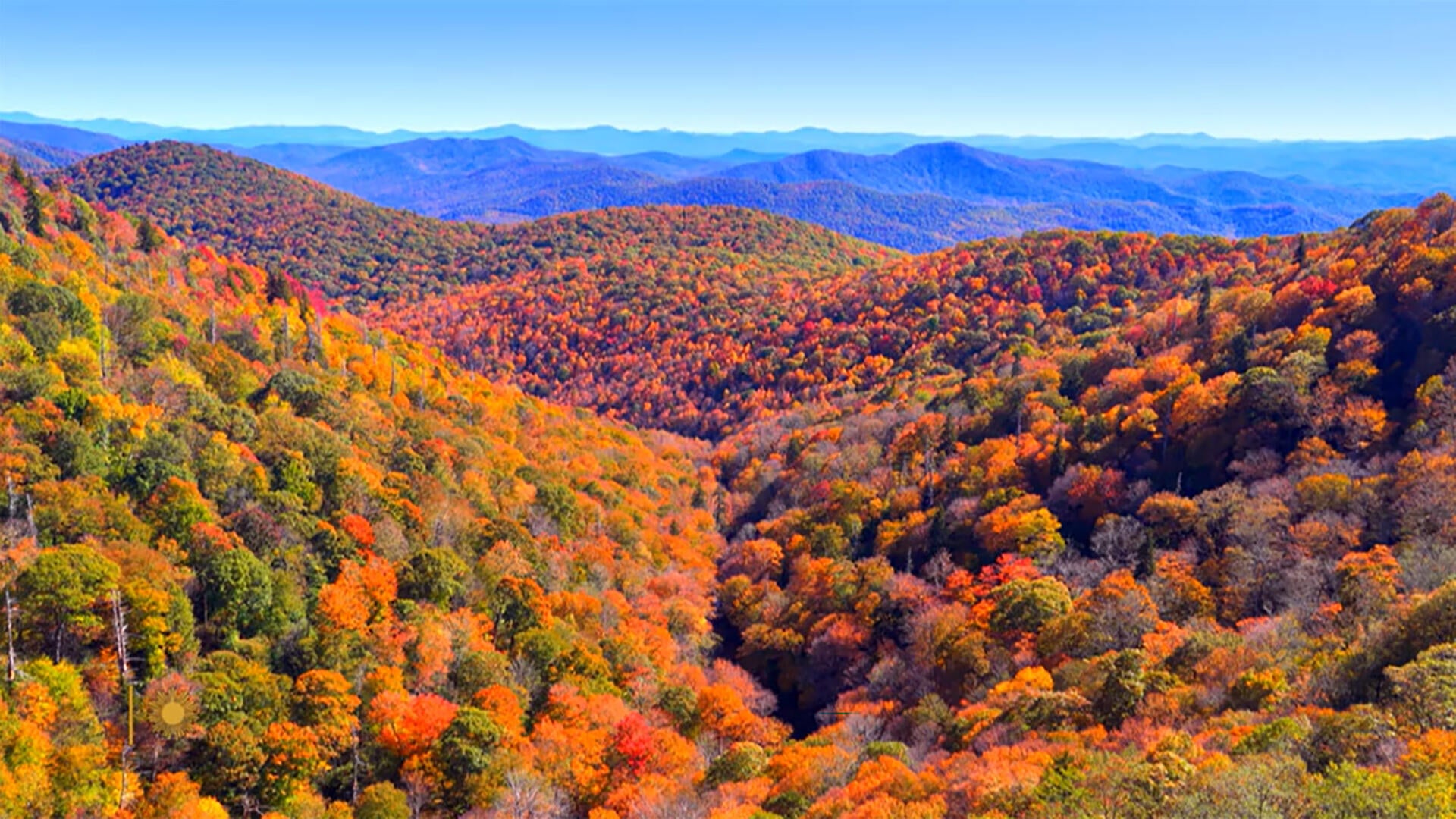
As the autumn season reaches its visual apex in the southeastern United States, North Carolina's Blue Ridge Parkway has emerged as a focal point for domestic tourism. The 469-mile scenic drive, which traverses the Appalachian Mountains, is currently showcasing vibrant hues of red, orange, and gold that have drawn photographers, hikers, and motorists from neighboring states. This seasonal peak aligns with historical patterns of foliage development, driven by dropping temperatures and shorter daylight hours that trigger the chemical changes in deciduous trees.
The parkway, designated as a National Parkway in 1966, serves not only as a tourist destination but also as a vital connector for rural communities in western North Carolina and southwestern Virginia. Traffic volumes on the route have increased significantly during this period, with state transportation authorities monitoring road conditions to ensure safety and manage congestion. The scenic overlooks and trailheads along the route are experiencing higher-than-average foot traffic, contributing to local hospitality and retail sectors.
Official statements from the National Park Service and the North Carolina Department of Natural and Cultural Resources emphasize the importance of the parkway as a protected natural resource. These agencies have issued guidance for visitors to practice responsible tourism, including staying on designated paths and minimizing environmental impact. The current conditions are viewed as a testament to the ecological health of the region, with no major weather disruptions reported that would compromise the foliage display or road accessibility.
In-Depth Analysis & Key Details
The Blue Ridge Parkway was conceived during the Great Depression as a public works project, designed to provide employment and connect isolated communities in the Appalachians. Over nearly six decades, it has evolved into one of the most visited parkways in the United States, illustrating the complex relationship between conservation and accessibility. The current surge in autumn visitation reflects broader post-pandemic trends in domestic travel, where consumers are prioritizing outdoor experiences and regional destinations over international flights.
Industry analysts observe that the economic ripple effects of such seasonal tourism are disproportionately beneficial to small, rural businesses that may lack the infrastructure to attract year-round visitors. However, this concentration of traffic also presents challenges for local infrastructure, including road wear and waste management. Balancing the economic benefits of tourism with the preservation of the natural environment remains a central tension for park management agencies, who must navigate increasing demand while adhering to strict conservation mandates.
From a climatological perspective, the timing and intensity of autumn foliage are sensitive indicators of broader environmental changes. While this year's display is considered robust, long-term trends in seasonal phenology are being monitored by ecological researchers to understand the impacts of shifting weather patterns on forest health. The parkway thus serves not only as a tourist attraction but also as a living laboratory for observing the intersection of climate, ecology, and human activity.
"The Blue Ridge Parkway stands as a testament to the enduring power of natural landscapes to connect communities and drive economic vitality, yet its preservation demands a careful balance between accessibility and ecological stewardship."
Why This Matters & What Lies Ahead
For everyday readers and regional economies, the peak autumn season on the Blue Ridge Parkway represents a significant economic boost for rural North Carolina. Local hotels, restaurants, and outdoor gear retailers benefit from the influx of visitors, providing a crucial revenue stream that supports community stability. This seasonal tourism also fosters a cultural appreciation for the natural environment, encouraging sustainable practices and supporting conservation efforts that protect the region's biodiversity.
Looking ahead, stakeholders should monitor the long-term impacts of increased visitation on the parkway's infrastructure and natural resources. Upcoming maintenance schedules and conservation initiatives will be critical in ensuring that the parkway remains a viable and attractive destination for future generations. Additionally, ongoing climate monitoring will provide valuable data on how seasonal changes may affect the timing and intensity of autumn foliage, influencing future tourism planning and ecological management strategies.
Source: Reported by CBS News · Analyzed & Synthesized by DNB Newsroom