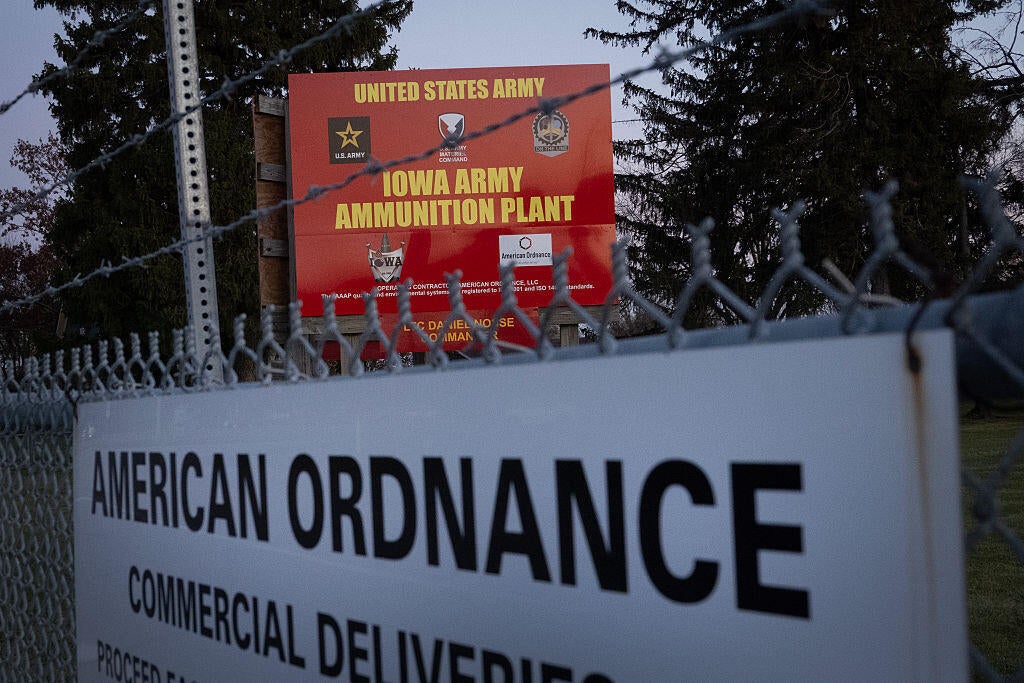
The U.S. Department of the Army has officially announced its plan to execute a detonation at a munitions processing facility in Iowa, a move that directly contravenes a previously agreed-upon indefinite pause on such activities. In a formal statement, military officials clarified that the operation will proceed under the authority of an emergency munitions and explosives exclusion granted by the Environmental Protection Agency (EPA). This legal mechanism allows for the handling and disposal of hazardous materials outside the standard permit framework when urgent safety or operational necessities are cited, marking a critical escalation in the management of legacy defense assets.
The facility in question has been a focal point for regulatory scrutiny and environmental concern for years, with the indefinite pause serving as a temporary shield against further explosive testing. By invoking the emergency exclusion, the Army is signaling that the operational risks of retaining the munitions on-site outweigh the procedural hurdles of standard environmental review. The geographical context is significant, as the site is located in a region where community stakeholders have long demanded rigorous safety assurances regarding air and water quality impacts from explosive disposal.
Official remarks from the Department of the Army emphasize the necessity of the action, framing it as a required step to mitigate immediate hazards associated with stored explosives. While the EPA’s permit structure typically mandates extensive pre-operation reviews, the emergency exclusion streamlines this process, allowing for rapid deployment of disposal teams. Initial responses from environmental advocacy groups have been critical, noting that the use of such exclusions sets a precedent for bypassing standard safeguards, while military officials maintain that the operation adheres to all applicable federal safety standards for explosive handling.
In-Depth Analysis & Key Details
The decision to proceed with the detonation is rooted in a complex history of federal responsibility for legacy defense waste. For decades, the Department of Defense has grappled with the safe disposal of obsolete munitions, often balancing the high costs and logistical challenges of remediation against the immediate threats posed by aging explosive materials. The indefinite pause was likely a compromise reached during earlier regulatory negotiations, designed to allow for further study or community consultation. However, the invocation of the emergency exclusion suggests that the Army has determined that the risk profile of the stored munitions has changed, necessitating immediate action rather than continued delay.
This development underscores the ongoing tension between national security imperatives and environmental protection laws. Regulatory filings indicate that the EPA’s emergency exclusion is a narrow tool, intended for specific, time-sensitive scenarios where standard permitting would cause undue delay or risk. Industry analysts observe that such exemptions are rarely used for routine operations, making this decision a notable deviation from standard practice. The economic consequences of the pause, including the costs of maintaining security and storage for hazardous materials, may have also played a role in the Army’s decision to accelerate the timeline for disposal.
From a technical standpoint, the detonation of munitions requires precise planning to minimize collateral environmental damage, including the dispersion of particulate matter and potential chemical contaminants. Aviation safety advocates and environmental scientists note that while the emergency exclusion addresses the immediate legal barrier, it does not absolve the Army of its obligation to conduct thorough post-operation monitoring. The long-term implications of this approach remain a subject of debate, with some experts arguing that it prioritizes short-term operational goals over the comprehensive environmental stewardship required for sites with a history of contamination.
"The invocation of emergency exclusions transforms a regulatory pause into an operational imperative, forcing a critical reevaluation of how legacy defense waste is managed in an era of heightened environmental scrutiny."
Why This Matters & What Lies Ahead
For local communities and environmental advocates, this decision has direct implications for public health and environmental safety. The detonation of munitions can release chemicals and particulates into the air and surrounding soil, necessitating robust monitoring and mitigation strategies. Residents in the vicinity of the Iowa facility may face temporary disruptions, including potential restrictions on land use or water consumption, depending on the scale of the operation. Furthermore, the precedent set by this action could influence how other federal agencies approach similar environmental challenges, potentially weakening the enforcement of standard permitting processes in other jurisdictions.
In the broader context of public policy and financial markets, this event highlights the ongoing challenges of managing federal liabilities related to defense infrastructure. Upcoming milestones to monitor include the EPA’s post-operation environmental assessment, which will determine whether the emergency exclusion was justified and whether additional remediation is required. Additionally, legislative hearings on defense waste management may be convened to address the systemic issues that led to the need for such an emergency measure. Investors and stakeholders in the environmental services sector should watch for shifts in regulatory enforcement trends, as this case may signal a more flexible approach to permitting for federal entities involved in hazardous material disposal.
Source: Reported by CBS News · Analyzed & Synthesized by DNB Newsroom