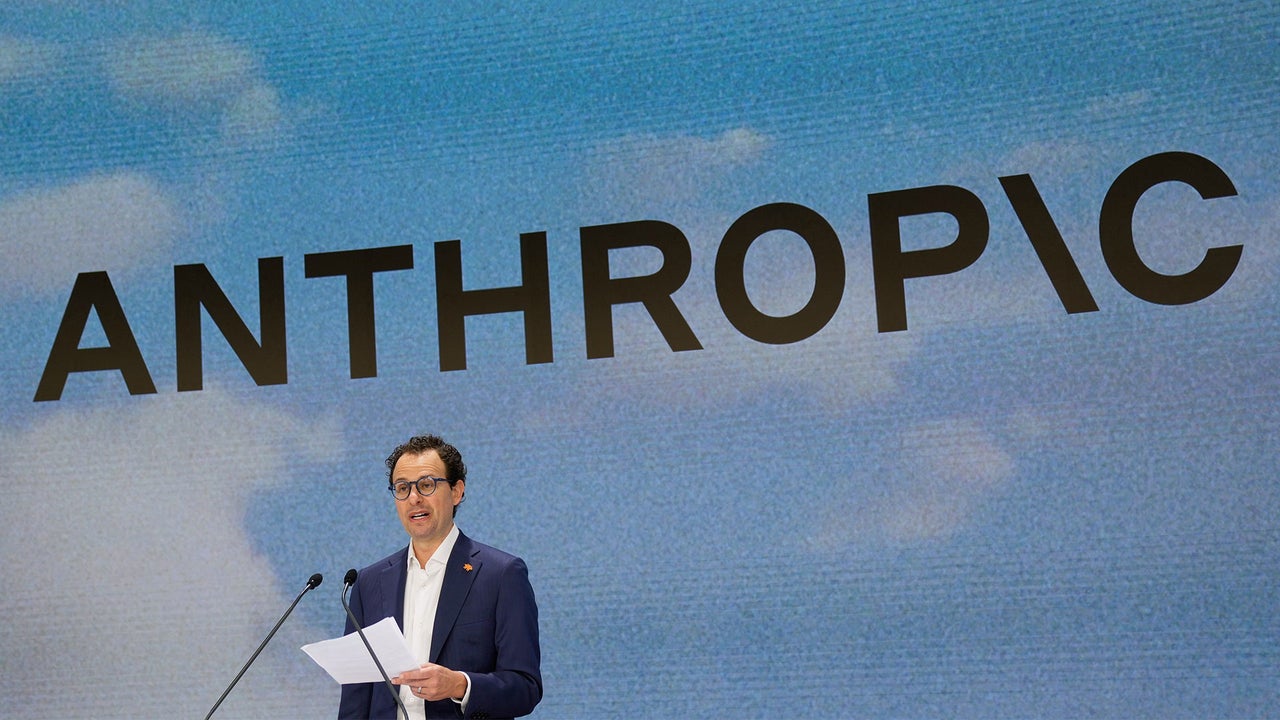
The trajectory of Anthropic, the San Francisco-based artificial intelligence giant, has recently intersected with the world of high-stakes philanthropy in a manner that is reshaping expectations for corporate social responsibility in the tech sector. The company’s record-breaking debut on Wall Street has not only solidified its financial standing but has also catalyzed a strategic pivot toward leveraging its resources for public good. Central to this narrative are the company’s co-founders, CEO Dario Amodei and Chief Science Officer Jared Kaplan, whose shared history as doctoral students and their early collaboration through academic fellowship networks have laid the groundwork for a distinct approach to AI ethics and societal impact.
Geographically and operationally, this shift is centered in San Francisco, the epicenter of the AI boom, where Anthropic is now deploying its substantial financial capital to support a network of nonprofits dedicated to advancing responsible AI development. These organizations are preparing for an unprecedented wave of support, which includes both monetary donations and technical expertise. The immediate operational context involves the alignment of Anthropic’s advanced research capabilities with the mission-driven objectives of these charitable entities, creating a symbiotic relationship that aims to mitigate the risks associated with rapid AI advancement while fostering innovation.
Official declarations from the company emphasize a commitment to ensuring that the benefits of artificial intelligence are widely distributed and that the technology is developed in a manner that aligns with human values. Stakeholders in the nonprofit sector have responded with cautious optimism, noting that the scale of Anthropic’s resources presents a unique opportunity to address long-standing challenges in AI safety and accessibility. This collaboration is not merely a charitable gesture but a strategic initiative that reflects the company’s broader philosophy on the role of AI in society, as articulated by its leadership in recent public forums and internal communications.
In-Depth Analysis & Key Details
The historical background of Anthropic’s founders provides a crucial lens through which to understand this new philanthropic wave. Amodei and Kaplan’s early bond, formed while carpooling to events organized by an academic fellowship, highlights a shared intellectual and ethical foundation that prioritizes the societal implications of their work. This origin story is not merely anecdotal; it reflects a deeper structural force within the AI community, where a subset of leaders is increasingly focused on the long-term consequences of their innovations. The transition from academic research to corporate power has not erased this ethos but rather amplified it, allowing these individuals to mobilize significant resources toward causes they have long championed.
Competing perspectives within the industry suggest that this move is both a genuine commitment to social good and a strategic response to growing public scrutiny of AI companies. Regulatory debates surrounding AI safety and transparency are intensifying, and Anthropic’s philanthropic efforts can be seen as a proactive measure to build trust with policymakers and the public. Economic consequences are also significant, as the influx of capital into AI-focused nonprofits may shift the balance of power in the sector, potentially marginalizing smaller organizations that lack similar corporate backing. Industry analysts observe that this trend could set a precedent for other AI firms, leading to a broader redefinition of corporate responsibility in the technology sector.
Expert domain context indicates that the technical intricacies of AI development require not only financial resources but also deep expertise in safety and alignment. Anthropic’s ability to provide both makes it a uniquely positioned partner for nonprofits working on these issues. The integration of advanced research with charitable missions is a complex undertaking, requiring careful coordination to ensure that the technical solutions developed are both effective and ethically sound. This collaboration represents a new model for how tech companies can engage with civil society, one that is likely to evolve as the AI landscape continues to shift.
"The convergence of Anthropic’s financial power and its founders’ ethical commitments is not just a charitable act; it is a strategic redefinition of how AI giants can and should engage with the public sphere, setting a new benchmark for corporate responsibility in the age of artificial intelligence."
Why This Matters & What Lies Ahead
For everyday readers, this development underscores the growing influence of AI companies on social and political landscapes. The redirection of substantial corporate resources toward philanthropy and public safety initiatives has direct implications for how AI is perceived and regulated. Consumers and citizens are increasingly aware of the potential risks and benefits of AI, and Anthropic’s actions may shape public opinion and demand for greater transparency and accountability from tech firms. Financial markets are also watching closely, as the success of this philanthropic model could influence investor sentiment toward AI companies that demonstrate a strong commitment to social responsibility.
Upcoming milestones to monitor include the specific outcomes of the collaborations between Anthropic and the nonprofits it supports, as well as any regulatory responses to these initiatives. Legislative implications are significant, as policymakers may look to Anthropic’s model as a template for how private sector entities can contribute to public good. Key hearings and regulatory votes related to AI safety and corporate responsibility in the coming months will be critical in determining whether this new wave of AI philanthropy becomes a sustainable and impactful force or remains a temporary trend. The next few quarters will be pivotal in assessing the long-term effects of this shift on both the AI industry and society at large.
Source: Reported by Fast Company · Analyzed & Synthesized by DNB Newsroom