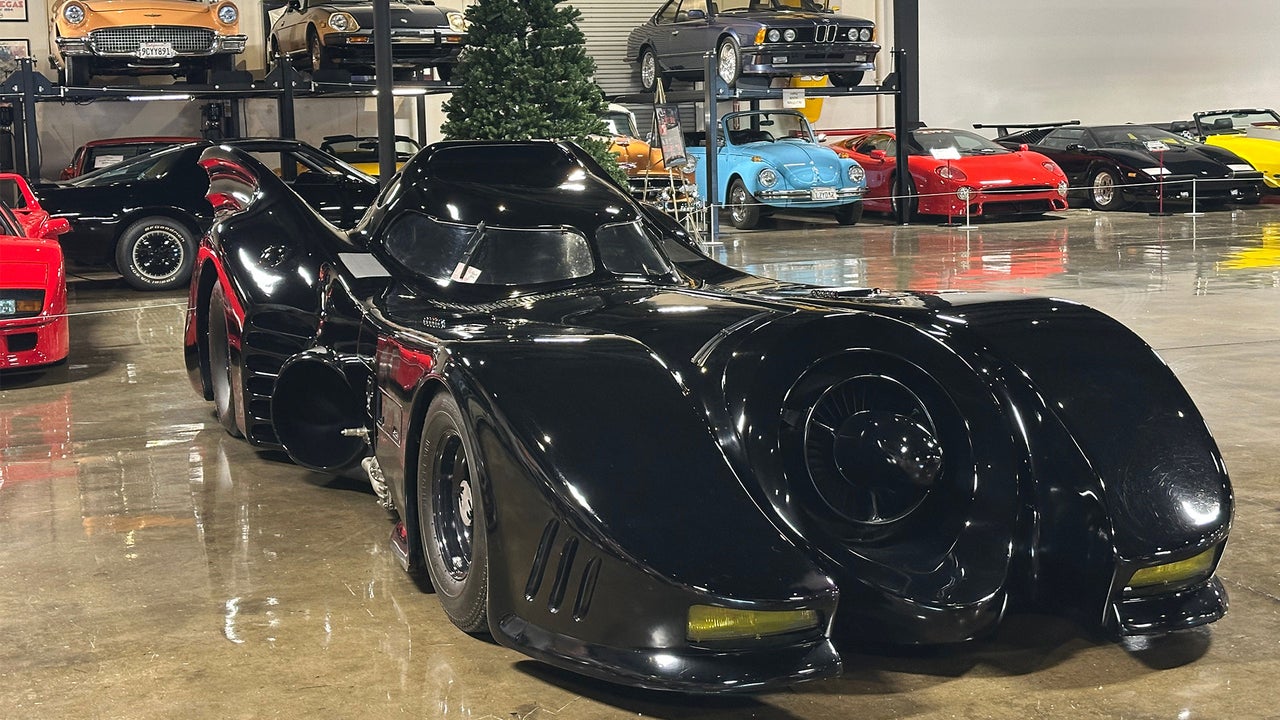
A distinctive automotive artifact from the 1992 cinematic landscape is set to be sold at auction, drawing attention from collectors and enthusiasts of the Batman franchise. The vehicle in question is one of three custom Batmobiles constructed specifically for Tim Burton’s 'Batman Returns.' Unlike the more widely recognized 1989 iteration, this version was designed to navigate the gothic, rain-slicked streets of Gotham City with a distinct aesthetic, featuring a sleek, low-slung profile and aggressive styling that defined the film's visual identity.
The logistical context of this sale is rooted in the vehicle’s unique origin. It was not a production car modified for film, but a purpose-built prop designed to withstand the rigors of on-screen stunts, including being hijacked by the character Penguin and maneuvered through tight urban sets. Because it was engineered for visual impact rather than mechanical durability or regulatory compliance, the car lacks the standard safety certifications and emissions controls required for public road registration. It has been maintained in a private collection, preserving its original condition and historical significance as a piece of film history.
Industry observers note that the listing represents a significant entry into the market for movie memorabilia. The auction house has framed the item not as a drivable automobile, but as a high-value collectible and display piece. This distinction is critical for potential bidders, who must understand that the vehicle is intended for private exhibition, museum display, or secure storage, rather than active use. The sale underscores the premium placed on authentic, original props from major blockbuster films, which have become increasingly sought after by institutional and private collectors alike.
In-Depth Analysis & Key Details
The trajectory of cinematic props from behind-the-scenes utility to high-value collectibles has accelerated over the past two decades. In the early 1990s, props like the Batmobile from 'Batman Returns' were often stored in warehouses or sold to secondary markets at modest prices. Today, the provenance and authenticity of such items are rigorously vetted, and their market value is influenced by the cultural impact of the associated film. The 1992 'Batman Returns' is particularly notable for its critical and commercial success, which has cemented its place in pop culture history and, by extension, elevated the value of its physical artifacts.
From a regulatory and technical perspective, the Batmobile’s design presents inherent challenges for modern use. The vehicle was built to specific dimensions and weight distributions to accommodate camera angles and stunt requirements, often at the expense of practical driving dynamics. Its engine, suspension, and braking systems were tailored for short, controlled sequences rather than sustained road use. Furthermore, the vehicle does not meet contemporary safety standards, including airbag requirements, crash test ratings, and emissions regulations. This technical obsolescence, combined with its unique design, renders it legally and practically unsuitable for public roads, reinforcing its status as a static artifact.
The broader market for film props is increasingly competitive, with buyers ranging from private collectors to museums and corporate entities. The sale of the Batmobile prop is part of a larger trend where cinematic history is being commodified. This trend is driven by a desire to own a tangible piece of cultural history, as well as the potential for appreciation in value. However, it also raises questions about the preservation and accessibility of such items, as they are often locked away in private collections rather than being displayed publicly. The auction of the Batmobile prop is a clear indicator of this shift, where the value of a film artifact is determined not just by its historical significance, but by its rarity and the prestige of its provenance.
"The Batmobile is not a car; it is a cultural artifact, and its value lies in its history, not its horsepower."
Why This Matters & What Lies Ahead
For everyday readers and collectors, the auction of the Batmobile prop highlights the intersection of entertainment and finance. It demonstrates how cultural icons can be transformed into high-value assets, creating new investment opportunities and driving up the cost of entry into the collectibles market. This trend has broader implications for the film industry, as studios may be more inclined to preserve and catalog their props, knowing that they can generate significant revenue in the future. For the general public, it also raises questions about the accessibility of cultural history, as valuable artifacts are increasingly owned by private individuals rather than public institutions.
Upcoming milestones to watch include the final sale price of the Batmobile prop, which will provide a benchmark for the value of similar film artifacts. Additionally, the auction house’s marketing strategy and the profile of the buyer will offer insights into the current state of the collectibles market. Regulatory bodies may also take note of the trend, potentially introducing new guidelines for the sale and display of film props to ensure their preservation and proper attribution. For now, the Batmobile prop remains a symbol of a bygone era of filmmaking, one where practical effects and physical props played a central role in creating iconic images.
Source: Reported by Fast Company · Analyzed & Synthesized by DNB Newsroom