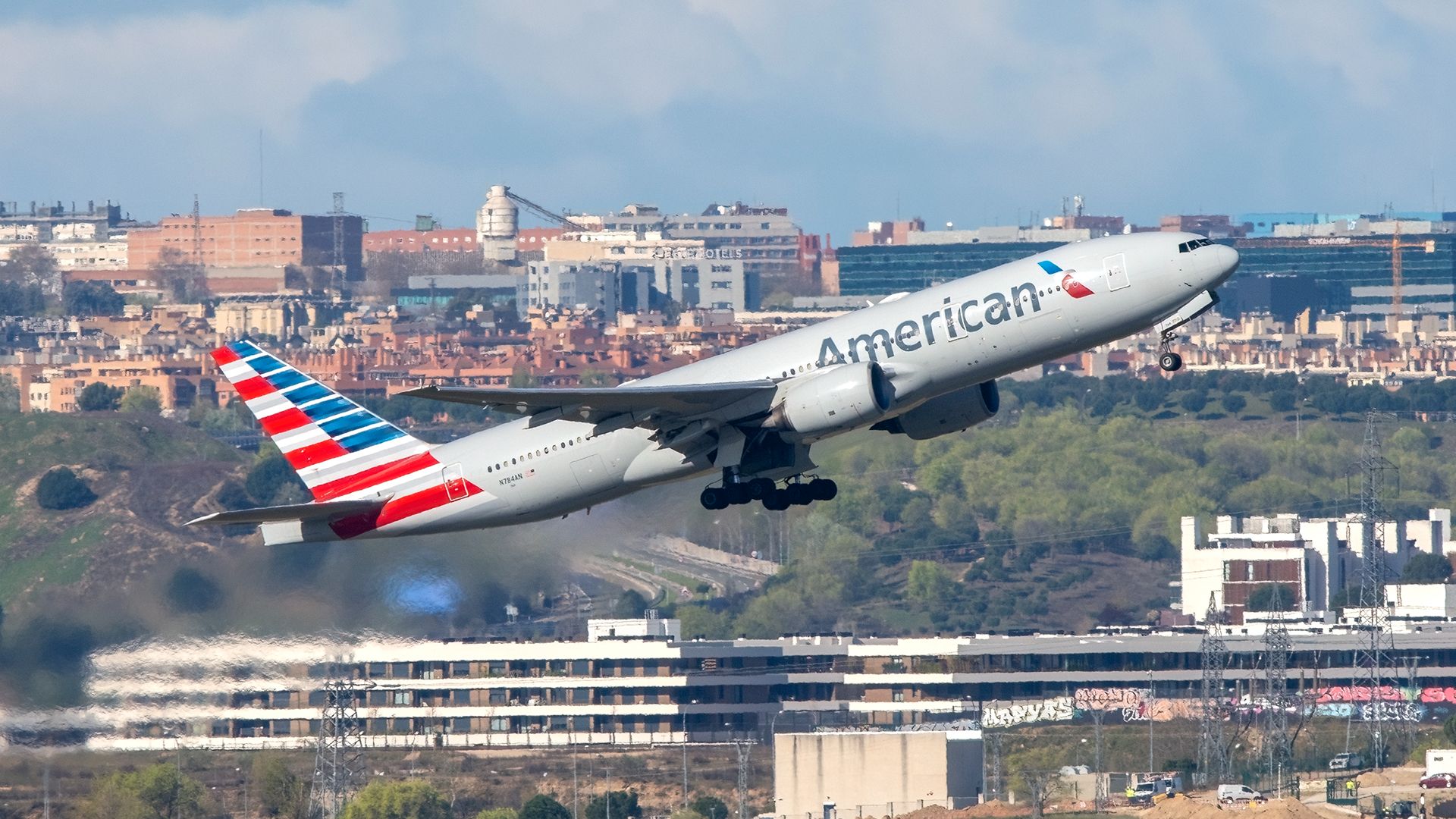
American Airlines executed an emergency turnaround of a long-haul transatlantic flight bound for Buenos Aires, Argentina, after a severe mechanical issue compromised the cabin environment. The aircraft, which had departed on an overnight schedule, was forced to return to its point of origin rather than proceeding with the ten-hour journey. The decision was made by the flight crew in response to a critical failure in the onboard sanitation system, specifically a lavatory overflow that posed immediate hygiene and operational risks to the passengers and crew on board.
The diversion occurred during the overnight phase of the flight, a period when passengers are typically resting, making the sudden change in operational status particularly disruptive. The geographic context of the flight, spanning the Atlantic Ocean, means that turning back required careful fuel management and coordination with air traffic control to ensure a safe landing at the departure airport. The incident effectively cut short the planned travel to South America, leaving passengers stranded at the origin hub and necessitating immediate rebooking and accommodation arrangements by the airline.
While specific official remarks from American Airlines executives were not detailed in the initial wire report, the airline’s decision to prioritize safety and cabin integrity over schedule adherence aligns with standard industry protocols for significant mechanical failures. The event has drawn attention to the reliability of onboard systems during long-duration flights, with the overflow serving as a tangible indicator of potential underlying maintenance issues that require immediate ground-side attention.
In-Depth Analysis & Key Details
The incident of a lavatory overflow forcing a long-haul diversion is not an isolated anomaly but rather a symptom of the complex interplay between aging aircraft fleets and the increasing demands of long-distance travel. Aviation safety advocates note that while modern aircraft are engineered for redundancy, the plumbing and sanitation systems, though less critical to flight dynamics than engines or avionics, are essential for passenger comfort and long-term cabin air quality. Historical data from the industry suggests that as aircraft age, the frequency of non-critical system failures can increase, placing a heavier burden on maintenance crews to identify and resolve issues before they escalate into operational disruptions.
From a regulatory and economic perspective, such incidents trigger a cascade of consequences that extend far beyond the immediate flight. Airlines face direct financial losses due to fuel consumption for the return leg, potential compensation payouts to passengers, and the cost of emergency maintenance. Furthermore, these events often invite scrutiny from aviation authorities, who may conduct post-incident investigations to determine if maintenance protocols were followed. Industry analysts observe that frequent diversions, even for non-critical systems, can erode customer trust and impact an airline’s on-time performance metrics, which are closely monitored by corporate clients and frequent flyer programs.
The technical intricacies of onboard plumbing systems reveal why such failures can be particularly disruptive. Unlike ground-based plumbing, aircraft lavatories rely on vacuum systems and sealed tanks that must withstand the pressure changes of altitude. A failure in these seals or valves can lead to rapid overflow, contaminating the cabin floor and potentially affecting other systems if not addressed. This technical complexity underscores the need for rigorous pre-flight checks and the importance of having spare parts readily available at major hubs to minimize turnaround times after such incidents.
"The return of a ten-hour transatlantic flight due to a plumbing failure is a stark reminder that in aviation, the maintenance of basic hygiene infrastructure is as critical to operational continuity as the engines themselves."
Why This Matters & What Lies Ahead
For everyday travelers, this incident highlights the vulnerability of long-haul travel plans to unexpected mechanical failures, particularly those affecting basic cabin amenities. Passengers on diverted flights often face significant inconveniences, including missed connections, lost time, and the stress of being stranded in unfamiliar airports. The financial implications for consumers can also be substantial, as airlines may struggle to provide immediate rebooking on alternative flights, leading to extended waits and potential out-of-pocket expenses for accommodation and meals. This event serves as a cautionary tale for travelers to consider travel insurance and to be aware of their rights regarding compensation in the event of significant service disruptions.
Looking ahead, this incident may contribute to a broader regulatory conversation about the maintenance standards for long-haul aircraft. Aviation authorities may use this case as a benchmark for evaluating the effectiveness of current inspection protocols for non-critical systems. Upcoming milestones to monitor include any official safety bulletins issued by aviation regulators in response to similar incidents across the industry, as well as any changes in airline maintenance schedules or parts inventory strategies that are implemented in the wake of this diversion. These developments will be crucial in determining whether the industry can prevent similar disruptions in the future, ensuring a smoother and more reliable travel experience for consumers.
Source: Reported by Simple Flying · Analyzed & Synthesized by DNB Newsroom