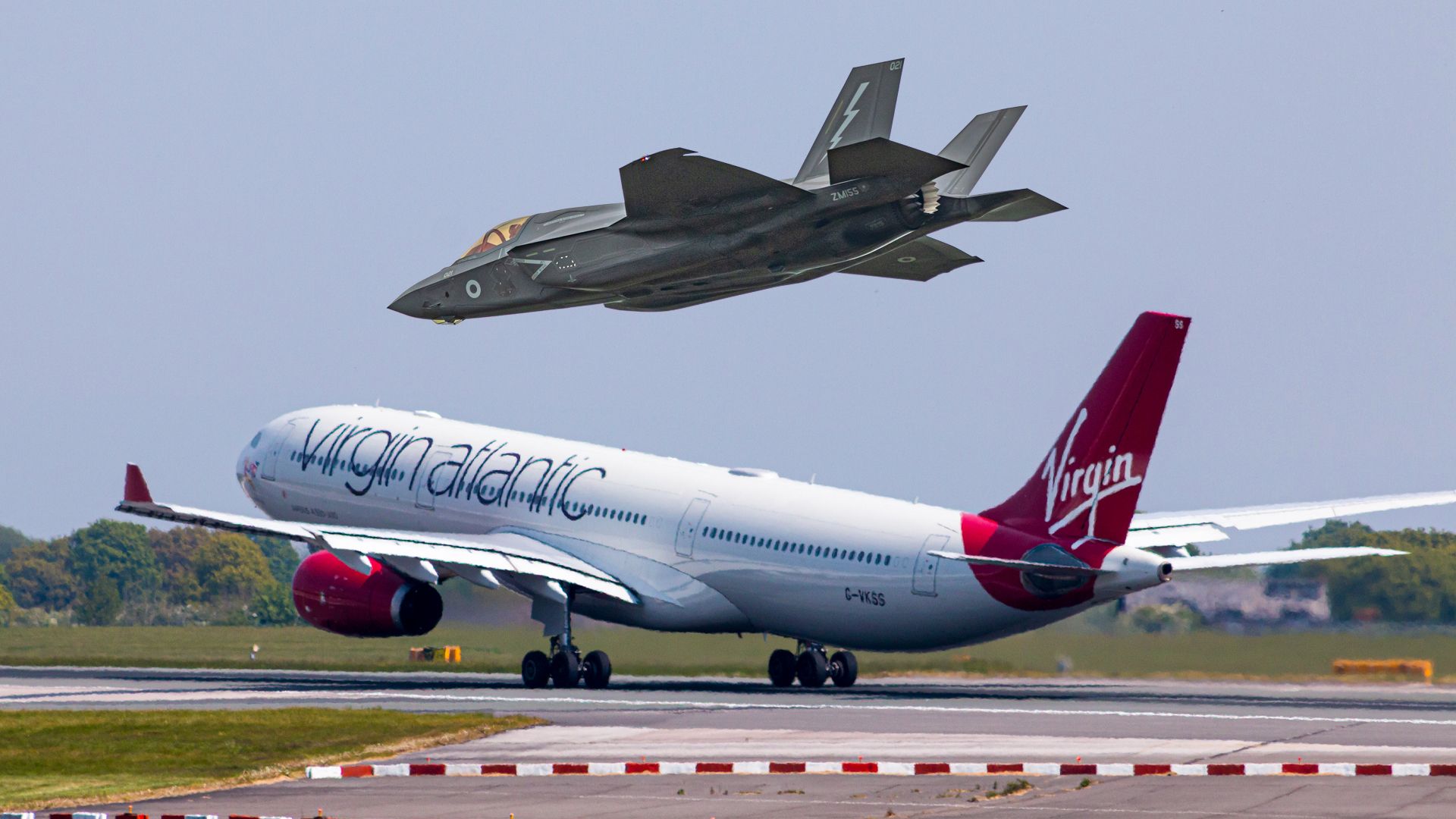
In a bold strategic pivot, Virgin Atlantic has launched a targeted recruitment initiative designed to attract approximately 40 former Royal Air Force fast jet pilots to its commercial flight deck. The airline is specifically courting aviators who have served in the RAF’s fast jet squadrons, with a particular emphasis on those who have piloted the F-35 Lightning II. This move represents a significant departure from traditional airline recruitment practices, which typically focus on pilots transitioning from regional or short-haul commercial operations. By targeting military veterans, Virgin Atlantic aims to inject a new level of technical proficiency and operational discipline into its long-haul transatlantic fleet.
The operational context for this recruitment drive is driven by the complex demands of long-haul flying, which requires not only technical skill but also the ability to manage extended flight durations and complex weather patterns over the Atlantic. Former fast jet pilots bring with them extensive training in high-performance aircraft, advanced avionics, and crisis management. Virgin Atlantic believes that this background will enhance the safety and reliability of its operations, particularly on its flagship routes to North America. The airline is positioning this recruitment effort as a key component of its broader strategy to maintain competitive advantage in a crowded transatlantic market.
Industry observers note that this initiative reflects a broader trend among major carriers to seek out pilots with diverse and advanced training backgrounds. While the airline has not released specific details on the compensation packages or contract terms for these recruits, the focus on F-35 experience suggests a desire to leverage the latest in military aviation technology. Stakeholders in the aviation sector are watching closely to see how this recruitment drive impacts the wider pilot labor market and whether other carriers will follow suit in targeting military veterans for their long-haul operations.
In-Depth Analysis & Key Details
The decision by Virgin Atlantic to target former RAF fast jet pilots is rooted in the evolving dynamics of the global aviation labor market. Historically, commercial airlines have relied on a steady pipeline of pilots trained in commercial jet aircraft, but recent disruptions in the industry have created a shortage of experienced captains. The F-35 Lightning II, a fifth-generation multirole fighter, represents the pinnacle of modern military aviation technology, with advanced sensors, stealth capabilities, and sophisticated flight control systems. Pilots trained on this aircraft possess a deep understanding of complex avionics and high-stress decision-making, which are valuable assets in the commercial sector. By recruiting these individuals, Virgin Atlantic is effectively importing a level of technical expertise that is rare in the commercial aviation landscape.
However, this strategy also raises questions about the compatibility of military and commercial aviation cultures. Military pilots are trained to operate in high-threat environments with a focus on mission success and survival, whereas commercial pilots are trained to prioritize passenger safety and comfort. The transition from military to commercial flying requires significant adaptation, and airlines must invest in additional training to ensure that these pilots are fully prepared for the unique challenges of long-haul operations. Industry analysts observe that while the technical skills of F-35 pilots are highly transferable, the cultural shift may pose challenges for both the pilots and the airline. This tension between military precision and commercial service expectations is a key factor that will determine the success of this recruitment drive.
Furthermore, the economic implications of this strategy are significant. Recruiting former military pilots may come at a higher cost than hiring traditional commercial pilots, but Virgin Atlantic appears willing to invest in this premium talent to gain a competitive edge. The airline’s focus on the F-35 suggests that it views advanced military training as a differentiator in the market, potentially appealing to customers who value safety and operational excellence. This approach also reflects the broader trend of airlines seeking to innovate in their talent acquisition strategies, as they compete for a limited pool of experienced aviators in a globalized labor market.
"By targeting the elite tier of military aviation, Virgin Atlantic is not just filling seats; it is redefining the benchmark for commercial pilot expertise in the transatlantic corridor."
Why This Matters & What Lies Ahead
For everyday travelers, this recruitment drive signals a commitment to enhanced safety and operational reliability on Virgin Atlantic’s long-haul routes. Passengers can expect a flight deck staffed by pilots with extensive experience in high-performance aircraft, which may translate to smoother flights and more effective handling of unexpected situations. The move also has implications for the broader aviation industry, as it sets a precedent for other carriers to consider military veterans as a viable source of elite talent. This could lead to a more diverse and highly skilled pilot workforce, ultimately benefiting consumers through improved service quality and safety standards.
Looking ahead, the success of this recruitment drive will be closely monitored by industry regulators and competitors. Upcoming milestones include the completion of the hiring process, the integration of these pilots into Virgin Atlantic’s training programs, and the subsequent performance metrics of the airline’s transatlantic operations. Regulatory bodies may also take note of this trend, potentially influencing future standards for pilot qualification and training. As the aviation industry continues to evolve, the intersection of military and commercial aviation will be a key area to watch, with potential implications for labor laws, training requirements, and market competition.
Source: Reported by Simple Flying · Analyzed & Synthesized by DNB Newsroom