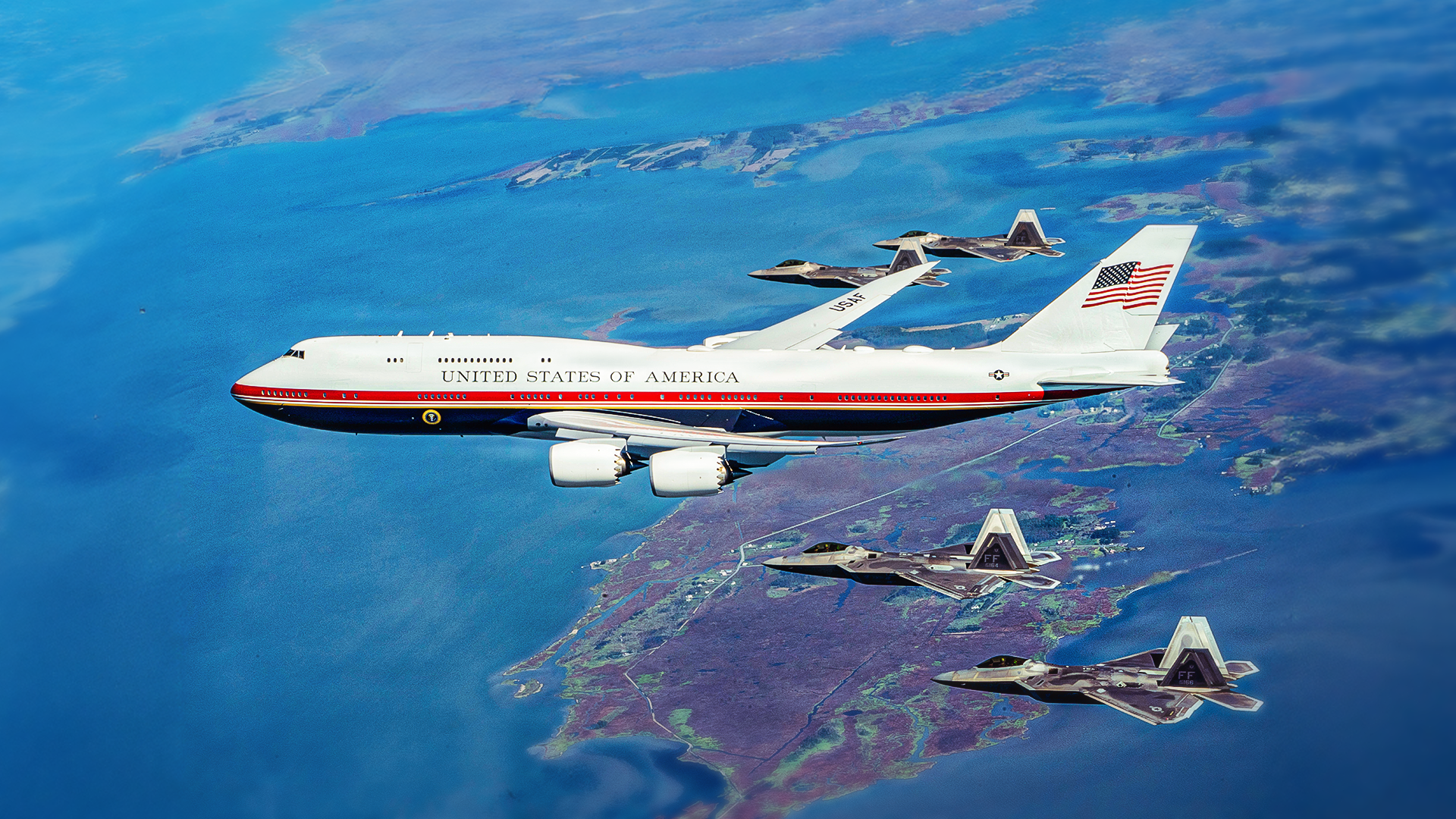
Before the engines of the VC-25B, the aircraft known as Air Force One, are started, the flight crew engages in a pre-flight sequence that is distinct from any other operation in the United States. While commercial pilots follow standardized checklists mandated by the Federal Aviation Administration, the crew responsible for transporting the President undergoes a more intensive and security-focused preparation. This process begins well before the aircraft is fueled, involving a thorough physical inspection of the exterior and interior to ensure no unauthorized modifications or security threats are present. The pilots, who are active-duty Air Force officers, work in close coordination with the Secret Service and White House military staff to finalize the flight plan and security posture.
The operational context of these pre-flight activities is driven by the unique status of the aircraft and its passenger. Air Force One is not merely a transport vehicle but a mobile command center, equipped with advanced communication and defense systems. Consequently, the pre-flight checks include verifying the integrity of these specialized systems, which are not found on standard commercial airliners. The crew must also confirm that the aircraft's defensive capabilities, including its ability to withstand electronic warfare and physical threats, are fully operational. This level of scrutiny is a direct response to the high-stakes nature of the mission, where any technical failure or security lapse could have catastrophic national consequences.
Official communications from the White House and the Department of Defense emphasize the importance of these rigorous procedures in ensuring the safety of the President. While specific details of the security protocols remain classified, public statements from military officials highlight the dedication and expertise of the crew. The pilots are selected not only for their technical proficiency but also for their ability to handle the immense pressure and responsibility of the role. This selection process ensures that the individuals flying the aircraft are among the most experienced and disciplined in the Air Force, capable of executing complex maneuvers and responding to emergencies with precision and calm.
In-Depth Analysis & Key Details
The historical evolution of Air Force One operations reflects the changing nature of threats to the U.S. presidency. Since the assassination of President Kennedy in 1963, security protocols for presidential travel have become increasingly sophisticated. The introduction of the VC-25B, a modified version of the Boeing 747-8, represents the latest iteration of this evolution, incorporating advanced materials and systems designed to protect against a wide range of threats. The pre-flight procedures have adapted accordingly, moving from basic mechanical checks to a comprehensive assessment of the aircraft's defensive and communication capabilities. This shift underscores the growing importance of technological superiority in ensuring the safety of the nation's leader.
There is a tension between the need for security and the desire for operational efficiency. Commercial aviation prioritizes speed and cost-effectiveness, while Air Force One operations prioritize safety and secrecy. This difference is evident in the pre-flight routine, where the Air Force One crew may spend more time on inspections and briefings than their commercial counterparts. This additional time is justified by the unique risks associated with presidential travel, which include the potential for targeted attacks or political instability. The regulatory framework governing Air Force One is also distinct, as it must comply with both FAA regulations and Department of Defense directives. This dual compliance adds complexity to the pre-flight process, requiring the crew to navigate a more intricate set of rules and procedures.
Industry analysts observe that the Air Force One pre-flight routine serves as a benchmark for the highest standards of aviation safety and security. While commercial pilots do not perform the same level of security checks, the underlying principles of thoroughness and attention to detail are shared across the industry. The experience gained by Air Force One pilots in handling complex and high-pressure situations is invaluable, contributing to the overall safety and reliability of the U.S. military aviation sector. Furthermore, the integration of advanced technology into the pre-flight process highlights the ongoing innovation in aviation, where new systems and procedures are continuously developed to address emerging threats and improve operational efficiency.
"The pre-flight routine for Air Force One is not just about checking the engines; it is about ensuring that the most powerful symbol of the nation is protected against every conceivable threat, a responsibility that demands a level of vigilance unmatched in modern aviation."
Why This Matters & What Lies Ahead
For the general public, the rigorous pre-flight procedures of Air Force One underscore the importance of safety and security in high-stakes operations. While most citizens will never experience the level of scrutiny applied to presidential travel, the standards set by Air Force One influence broader aviation practices. The emphasis on thorough inspections, advanced technology, and disciplined procedures contributes to the overall safety of the aviation industry. Additionally, the transparency of these protocols, to the extent that it is possible, helps build public trust in the institutions responsible for the safety of the nation's leader. Understanding the efforts that go into ensuring the safety of Air Force One provides insight into the complex interplay between security, technology, and human expertise in modern aviation.
Looking ahead, the evolution of Air Force One operations will be shaped by advances in technology and changes in the threat landscape. The introduction of new aircraft models, such as the next-generation replacement for the VC-25B, will likely bring even more sophisticated pre-flight procedures. Regulatory bodies, including the FAA and the Department of Defense, will continue to refine the rules and standards governing presidential travel, ensuring that they remain responsive to emerging challenges. For aviation enthusiasts and industry professionals, the Air Force One pre-flight routine offers a fascinating case study in the intersection of security, technology, and operational excellence. As the world becomes more interconnected and threats more diverse, the importance of maintaining the highest standards of safety and security in aviation will only grow.
Source: Reported by Simple Flying · Analyzed & Synthesized by DNB Newsroom