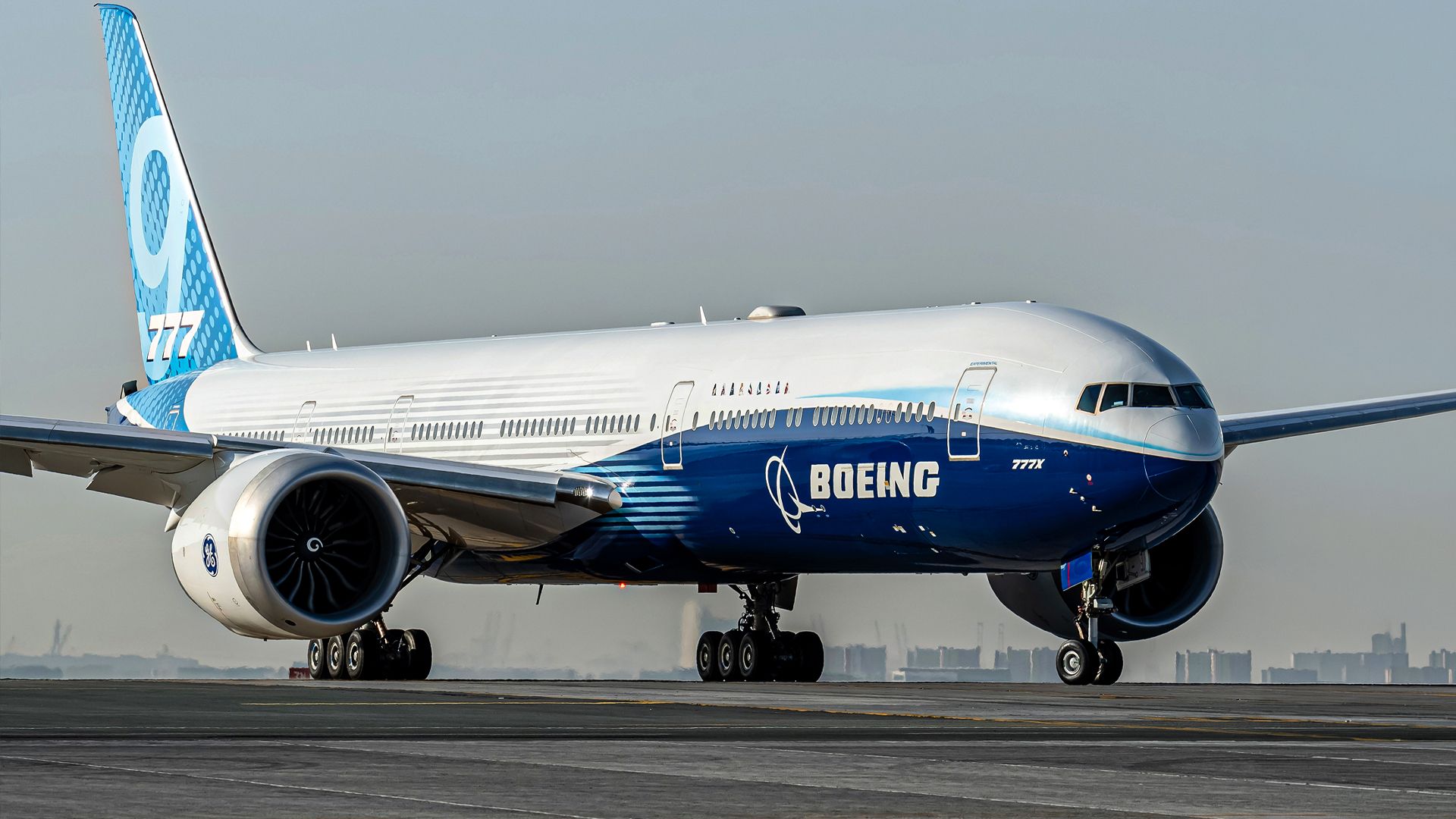
The aviation industry’s push toward ultra-long-range commercial flight has encountered a significant structural hurdle rooted in engine supply constraints. The proposed stretched variant of the Airbus A350, designed to extend range and payload capacity, requires a powerplant with thrust levels that currently only one engine in the world can deliver: the General Electric GE9X. This dependency places the entire development roadmap of a major wide-body aircraft family at the mercy of a single manufacturer’s strategic decisions, rather than being driven solely by aerodynamic or airframe engineering requirements. The situation highlights a rare instance where component-level market dynamics dictate the pace of full-aircraft innovation.
The operational context of this bottleneck is defined by the sheer scale of the GE9X, which is the largest commercial jet engine in active service. Its massive fan diameter and high-thrust output are necessary to offset the increased drag and weight associated with stretching the A350’s fuselage. Without a comparable alternative, Airbus cannot proceed with the certification and production of this extended-range model, effectively pausing a product line that could have addressed growing demand for non-stop trans-oceanic routes. The geographical and logistical implications are significant, as airlines looking to open new direct routes between distant hubs are currently unable to access an aircraft that meets their specific range and capacity needs.
Stakeholder responses to this impasse reflect a mix of frustration and strategic caution. While Airbus has long advocated for engine diversity to maintain negotiating leverage and supply chain resilience, the technical reality of the thrust requirement has limited their options. General Electric, holding a strong position in the market, has shown little interest in facilitating competition in this specific ultra-high-thrust niche. Industry observers note that this stance is not merely a technical limitation but a commercial strategy to maintain premium pricing and market control over the most demanding segment of wide-body aviation, leaving rivals like Rolls-Royce unable to enter the conversation for this specific aircraft variant without years of independent R&D that may not be commercially viable on their own.
In-Depth Analysis & Key Details
The historical background of this issue reveals a long-standing tension between airframe manufacturers and engine suppliers in the high-end commercial aviation sector. For decades, the industry has operated on a model of duopoly in the engine market, with General Electric and Rolls-Royce dominating the high-bypass turbofan space. However, the development of engines capable of generating over 100,000 pounds of thrust has been a rare and costly undertaking. The GE9X, developed for the Boeing 777X, represents a generational leap in efficiency and power, but its application to the A350 platform has revealed a gap in the competitive landscape. This gap is not accidental but reflects the immense capital expenditure required to develop such a powerplant, which deters new entrants and allows incumbents to maintain tight control over specific performance segments.
From a regulatory and economic perspective, this monopoly-like behavior in a niche market raises questions about market competition and innovation incentives. While no single regulator directly controls engine selection for commercial aircraft, the lack of competition can lead to higher costs for airlines and reduced flexibility for manufacturers. Industry analysts observe that this situation contrasts with the more balanced engine options available for other wide-body aircraft, such as the A350-900 and -1000, which can be powered by either the GE90 or the Rolls-Royce Trent XWB. The inability to offer a dual-engine option for the stretched variant weakens Airbus’s position in negotiations with airlines and potentially slows the adoption of next-generation aircraft technologies that rely on these larger platforms.
Expert domain context suggests that the solution to this bottleneck may not come from immediate competition but from long-term technological shifts. The development of higher-bypass ratio engines, hybrid-electric propulsion, or even hydrogen-compatible systems could eventually render the current thrust barriers obsolete. However, in the interim, the industry is forced to accept a period of constrained choice. This period of limited competition may also influence how aerospace companies approach future joint development projects, potentially leading to more integrated partnerships between airframe and engine manufacturers to share the risks and rewards of developing such specialized hardware.
"The GE9X is not just an engine; it is a gatekeeper, and until a second key is forged, the door to ultra-long-range A350 operations remains firmly closed."
Why This Matters & What Lies Ahead
For everyday travelers and global supply chains, this engine bottleneck has tangible implications for route availability and ticket pricing. Airlines that cannot access ultra-long-range aircraft may be forced to operate longer, less efficient routes with stops, increasing travel times and carbon emissions. Furthermore, the lack of competition in this high-end segment can lead to higher maintenance and fuel costs, which are ultimately passed on to consumers. The broader impact extends to the global economy, as efficient, non-stop connectivity between major economic hubs is a key driver of trade and tourism. Delays in bringing such aircraft to market can stifle economic growth in regions that rely on direct air links to global centers.
Looking ahead, key milestones to monitor include any announcements from Airbus regarding alternative engine configurations or revised range specifications for the A350 family. Regulatory bodies in the US, Europe, and Asia may also scrutinize the market dynamics in the aerospace sector, particularly if the lack of competition is seen as hindering innovation or inflating costs. Investors in the aerospace sector should watch for developments in Rolls-Royce’s roadmap, as any announcement of a high-thrust engine development would signal a shift in the competitive landscape. Additionally, the progress of the Boeing 777X program will be a critical indicator of the GE9X’s performance and reliability, as its success or failure will directly influence the viability of the engine for other platforms.
Source: Reported by Simple Flying · Analyzed & Synthesized by DNB Newsroom